
Insights
Optikos Absorbs Omega Optical: Coatings, IR Optics and Metrology Under One Roof
INFRARED & INVISIBLE LIGHT · COATINGS & SUPPLY CHAIN · OCTOBER 2026
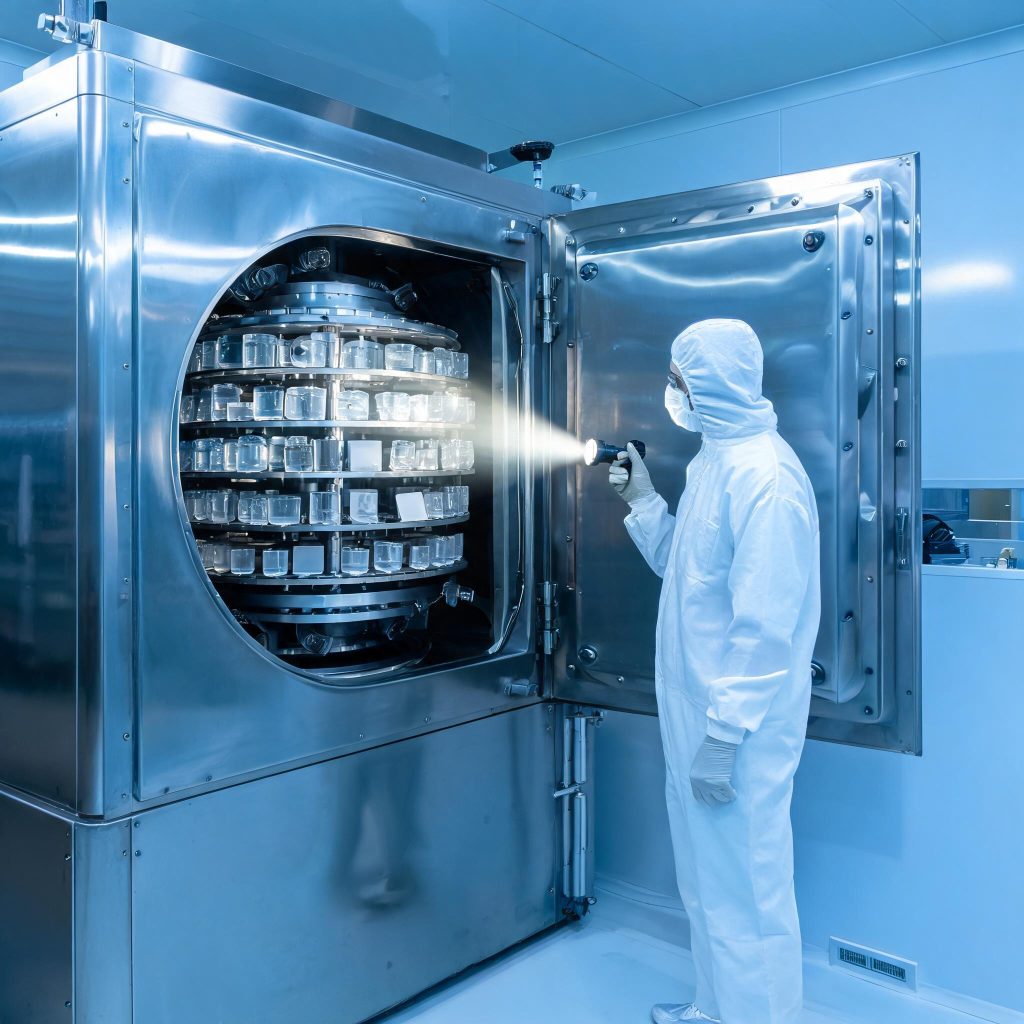
Omega Optical, the Vermont maker of precision optical coatings, has been folded into Optikos, the Massachusetts optical systems engineering firm. Both were already owned by Boston private equity house Artemis. The stated reason is blunt and worth repeating: buying best-in-class design from one company, coatings from a second and metrology from a third has become a constraint rather than an asset. Artemis is committing growth capital to expand manufacturing capacity.
optics.org reported the acquisition on 30 September 2026. Omega Optical specialises in precision optical coatings and in the design and production of optical components; Optikos brings systems engineering. Artemis bought Omega in 2020 and added Optikos to its portfolio earlier in 2026. In between, Omega was augmented by the addition of infrared optics specialist Spectral Systems in July 2021, followed later the same year by Evaporated Metal Films (EMF) and Optometrics.
The combined capability list is the real news
Artemis says the combination adds complementary technical expertise across optical design, fabrication, thin-film coatings, filtering, diffractive gratings, infrared optics and system-level metrology, serving aerospace, defence, life science and semiconductor manufacturing.
Read that as a bill of materials. Coatings, filters, gratings and infrared optics in one organisation means a programme can place a single order for the optical chain instead of stitching together a lens fabricator, a coating house and an independent test lab. For buyers, the practical consequences usually appear in three places: shorter qualification loops, because design and coating iterate without a purchase order between them; cleaner accountability for transmission and wavefront specifications, because coating and metrology sit in the same quality system; and a single point of failure if that one organisation is capacity-constrained or has a quality escape.
Artemis framed the move as a response to how optical systems are developed today: in an era when innovation speed determines competitive advantage, the traditional model of segmenting design, fabrication, coating and testing across separate organisations has become a constraint rather than an asset. The combined entity is described as a deliberate reinvention of the customer partnership model to accelerate performance and delivery time.
Capacity, not just capability, is being funded
Artemis is committing growth capital to expand manufacturing capacity and is running an accelerated talent development and hiring plan to deepen engineering resources for customers’ mission-critical programmes. The leadership structure has changed with it: Omega CEO David Cooper takes the same role in the new Optikos organisation, while Rudi Coetzee, Artemis chief operating partner and interim Optikos CEO since April, becomes executive chair. Optikos founder and long-time CEO Stephen Fantone moved to strategic advisor earlier in 2026.
Cooper’s explanation of the demand side is the most quotable line of the announcement: customers, he said, are no longer satisfied with best-in-class design paired with disconnected coating houses and third-party metrology labs. They want partners equipped with the entire workflow — accelerating delivery while maintaining the precision that mission-critical applications demand.
What that signals to anyone sourcing infrared or invisible-light optics is consolidation with capacity attached. Thin-film coating is a capacity-constrained craft with long lead times on coating chambers and long learning curves on process control, so moves that pair a coatings asset with a systems integrator and follow it with stated capacity investment tend to tighten rather than loosen the market for third-party coating slots.
What this means if you buy coatings or filters
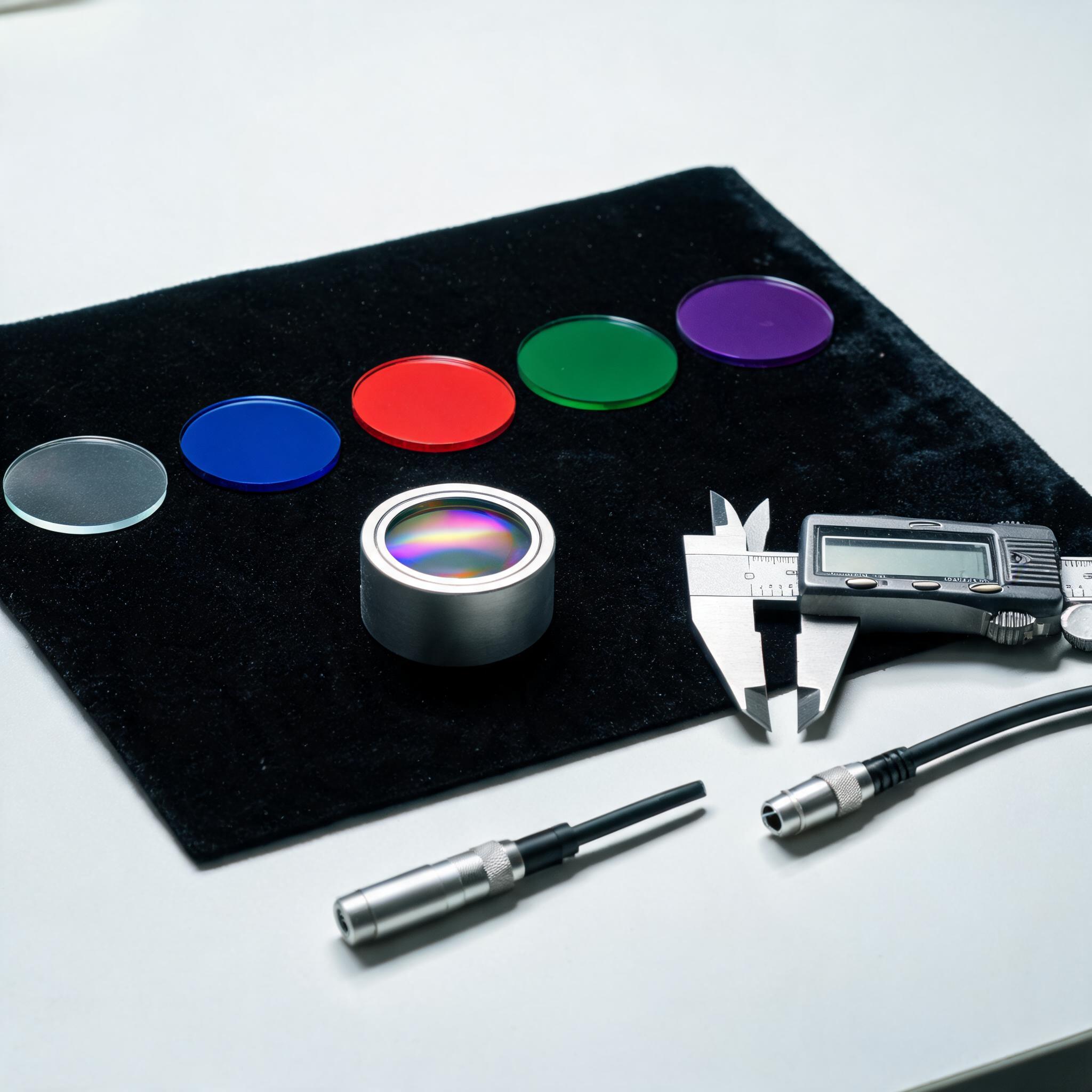
- Qualify a second coating source before you need it. Consolidation among coating houses reduces the number of independent suppliers for a given spectral range. The cheapest moment to qualify an alternative is when nothing is late.
- Buy metrology with the coating, not after it. The announcement’s central argument — disconnected coating houses and third-party labs — is an admission that coating-and-test handoffs cost schedule. If your supplier still ships to a separate lab for verification, price that delay into the programme.
- Ask about coating capacity, not just capability. Growth capital committed to capacity is a hint about where the constraint was. Ask for chamber capacity, standard lead time and how the supplier prioritises existing programmes during expansion.
- Use one optical chain where integration is worth it, and keep a second where it is not. For infrared optics with demanding throughput and durability specs, an integrated design-coat-test chain shortens the loop. For standard visible optics, competitive tendering still buys you more than integration does.
- Watch infrared optics being pulled into defence and aerospace programmes. Aerospace, defence, life science and semiconductor manufacturing are the named verticals. That is where acceptance testing, traceability and documentation requirements get strictest — and where coating quality usually decides whether a programme ships on time.
Sourcing IR coatings, filters or windows?
Send your waveband, substrate material, clear aperture, transmission and blocking targets, environmental test requirements (humidity, salt fog, abrasion, temperature cycling) and annual volume to sales@tuolango.com and we will return a qualified-supplier comparison with lead times.
Sources and disclosure
Sources: optics.org, 30 September 2026, on the acquisition of Omega Optical by Optikos — Omega Optical as a Vermont-headquartered specialist in precision optical coatings and optical component design and production, both companies owned by Boston-based private equity firm Artemis (Omega acquired in 2020, Optikos added earlier in 2026), Omega’s earlier additions of infrared optics specialist Spectral Systems in July 2021 and Evaporated Metal Films (EMF) and Optometrics later the same year, the combined expertise in optical design, fabrication, thin-film coatings, filtering, diffractive gratings, infrared optics and system-level metrology across aerospace, defence, life science and semiconductor manufacturing, Artemis’s statement that segmenting design, fabrication, coating and testing across separate organisations has become a constraint rather than an asset, Omega CEO David Cooper’s appointment as CEO of the new Optikos organisation and his comments on disconnected coating houses and third-party metrology labs, Artemis chief operating partner Rudi Coetzee moving from interim Optikos CEO to executive chair, Optikos founder Stephen Fantone’s earlier move to strategic advisor, and the commitment of growth capital to expand manufacturing capacity alongside an accelerated talent development and hiring plan. Procurement, qualification and supply-chain observations are TUOLAN TRADE analysis and are not attributed to any cited source. Edited and analysed by TUOLAN TRADE.