
MWIR 3–5 μm · LWIR 8–12 μm · Athermalized designs
MWIR and LWIR infrared lenses for thermal imaging systems.
TUOLAN TRADE sources infrared lens assemblies for cooled MWIR and uncooled LWIR detectors: motorized continuous-zoom, manual-focus, dual-field-of-view and athermalized fixed-focus objectives. Every reference below is published with its own product image and parameter record, and each configuration is reviewed against the detector, spectral band, field of view, mount and operating environment you specify.
Selection overview
Choose an infrared lens route before comparing focal lengths
Begin with your detector and spectral band. Then choose the focusing architecture and required field of view; focal length alone does not establish detector compatibility or thermal detection distance.
| Your starting point | Browse this group | Confirm before selection |
|---|---|---|
| Cooled detector; MWIR 3–5 μm | MWIR continuous-zoom references | Detector format and pixel pitch, cold-shield interface, F/#, zoom range and motor control |
| LWIR 8–12 μm; manual focus or two discrete fields of view | LWIR manual-focus and dual-FOV references | Actual detector, required wide/narrow fields, focusing mechanism and mount |
| LWIR 8–12 μm; athermalized fixed-focus reference | Athermalized LWIR references | Detector and image circle, installation envelope, temperature range and available test evidence |
Three athermalized LWIR configurations at a glance
These published field-of-view values use different detector formats. Compare each lens against your actual detector; the rows do not establish interchangeability.
| Reference model | Focal length / F/# | Detector reference | Reference field of view | Published envelope |
|---|---|---|---|---|
| KI610011 | 100 mm / F/1 | 640 × 512 / 17 μm | 6.2° × 5° | Φ113.5 mm × 149.5 mm |
| KI805011 | 50 mm / F/1 | 1280 × 1024 / 12 μm | 17.5° × 14° | Φ60 mm × 47.46 mm |
| KIA001901 | 19 mm / F/0.9 | 640 × 512 / 17 μm | 31° × 25.4° | Φ30 mm × 26 mm |
KI805011 has no published weight in the source record. Ask for the current drawing and selected configuration before confirming mechanical fit. Athermalization and front-element sealing references require project-specific acceptance conditions.
Read the MWIR vs LWIR RFQ guide · Review acceptance inputs · Request an infrared configuration review
MWIR · 3–5 μm
MWIR continuous-zoom lens assemblies
Two motorized references for cooled 640 × 512 / 15 μm detector systems, covering wide-area search through narrow-field observation. Both use motorized zoom and focus so the operator can move between situational awareness and target detail without changing the lens.

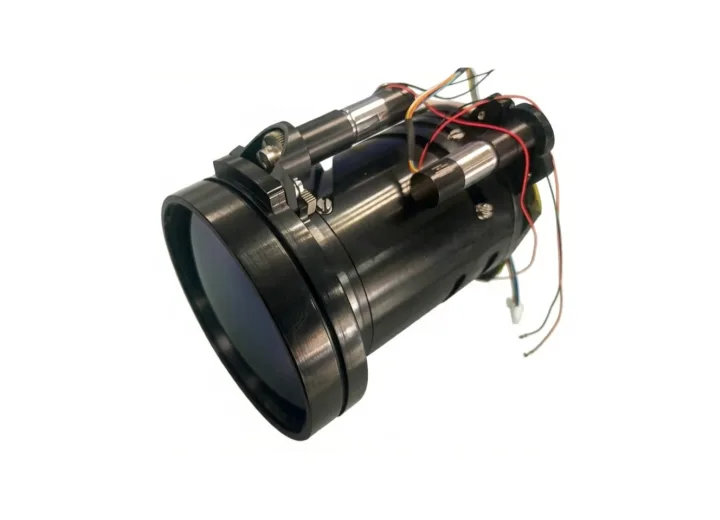
MWIR 3–5 μm20× zoomMotorized
15–300 mm MWIR Continuous-Zoom Lens
Continuous-zoom MWIR assembly for switching from wide-area search to narrow-field observation.
- Focal length15–300 mm
- F/#4.0
- Working wavelength3–5 μm
- Detector reference640 × 512 / 15 μm
View full specifications
- Focal length
- 15–300 mm
- F/#
- 4.0
- Working wavelength
- 3–5 μm
- Detector reference
- 640 × 512 / 15 μm
- Field of view
- 35.5° × 28.7° / 1.8° × 1.5°
- Average transmission
- ≥85% AR reference
- Distortion
- 4%
- Focus
- Motorized, 50 m–∞
- Weight
- ≤600 g
- Dimensions
- Φ85 × 111.7 mm
- Operating / storage
- −40 to +60 °C / −50 to +70 °C
- Sealing reference
- Front element IP67
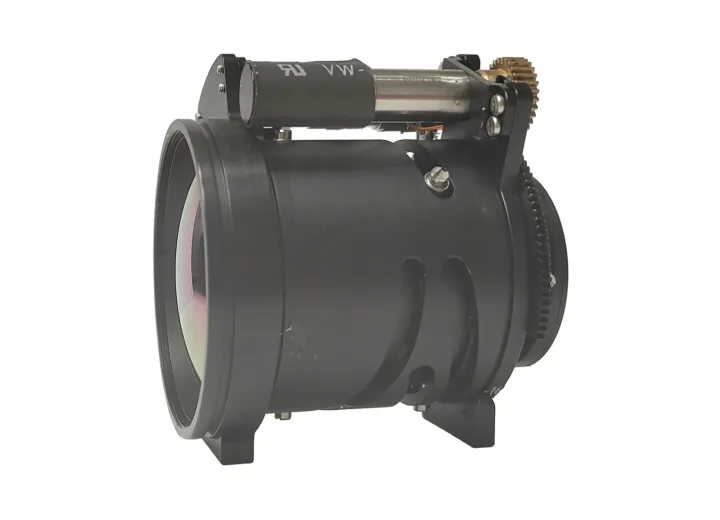
MWIR 3–5 μm15× zoom≤325 g
18–275 mm Compact MWIR Continuous-Zoom Lens
Compact continuous-zoom MWIR reference with motorized focusing.
- Focal length18–275 mm
- F/#5.5
- Working wavelength3–5 μm
- Detector reference640 × 512 / 15 μm
View full specifications
- Focal length
- 18–275 mm
- F/#
- 5.5
- Working wavelength
- 3–5 μm
- Detector reference
- 640 × 512 / 15 μm
- Field of view
- 29.9° × 24.1° / 2° × 1.6°
- Average transmission
- ≥90% AR reference
- Distortion
- 4.4%
- Focus
- Motorized, 50 m–∞
- Weight
- ≤325 g
- Dimensions
- Φ62 × 75 mm
- Operating / storage
- −40 to +60 °C / −50 to +70 °C
- Sealing reference
- Front element IP67
LWIR · 8–12 μm
LWIR manual-focus and dual-field-of-view lenses
Longer-range manual-focus objectives and two discrete focal lengths in a single assembly. A dual-FOV design is the practical choice when the system needs a wide situational view and a narrow identification view, but a continuous-zoom mechanism is not required.
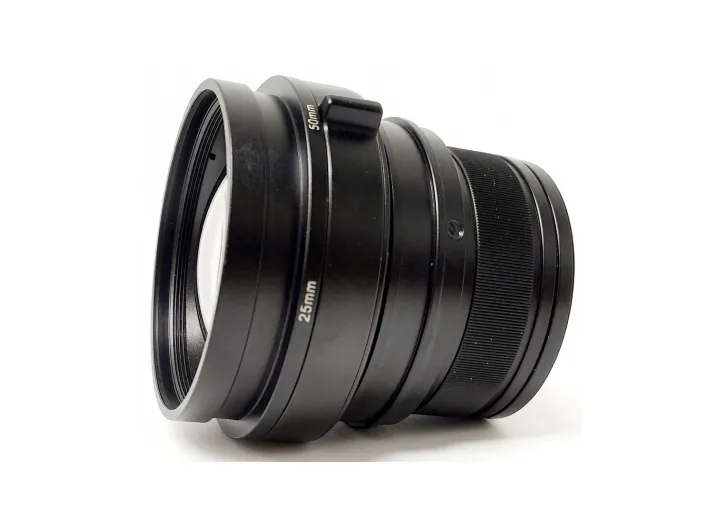
LWIR 8–12 μmDual FOVF/1.1
25/50 mm Dual-FOV LWIR Lens
Two discrete focal lengths in one LWIR assembly for situational and narrow-field viewing.
- Focal length25 / 50 mm
- F/#1.1
- Working wavelength8–12 μm
- Detector reference640 × 512 / 12 μm
View full specifications
- Focal length
- 25 / 50 mm
- F/#
- 1.1
- Working wavelength
- 8–12 μm
- Detector reference
- 640 × 512 / 12 μm
- Field of view
- 17.5° × 14° / 8.8° × 7°
- Average transmission
- ≥85% DLC reference
- Distortion
- −3.6% / −0.1%
- Focus
- Manual, 2.5 m–∞ / 5 m–∞
- Weight
- ≤280 g
- Dimensions
- Φ70 × 61 mm
- Operating / storage
- −40 to +60 °C / −50 to +70 °C
- Sealing reference
- Front element IP67
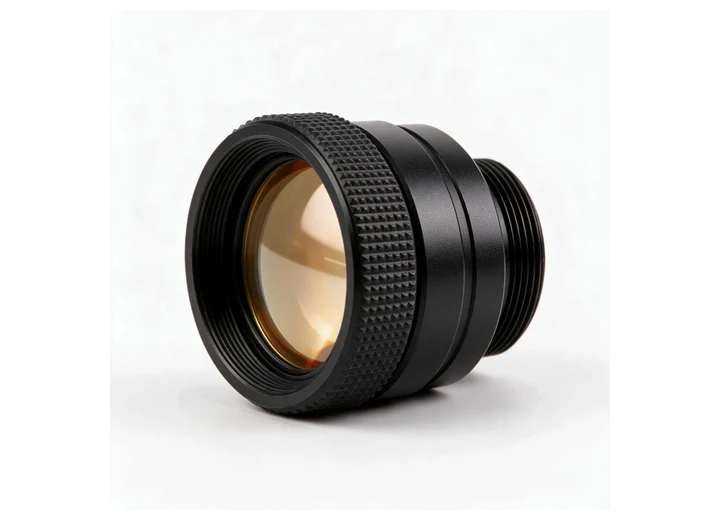
LWIR 8–12 μmF/1Manual focus
20.9 mm F/1 Manual-Focus LWIR Lens (KI620901)
Manual-focus LWIR reference at 20.9 mm for 640 × 512 / 12 μm detector formats, 20.8° × 16.7° field of view.
- Focal length20.9 mm
- F/#1
- Working wavelength8–12 μm
- Detector reference640 × 512 / 12 μm
View full specifications
- Focal length
- 20.9 mm
- F/#
- 1
- Working wavelength
- 8–12 μm
- Detector reference
- 640 × 512 / 12 μm
- Field of view
- 20.8° × 16.7°
- Average transmission
- ≥86% DLC reference
- Distortion
- −0.9%
- Front coating
- DLC
- Focus
- Manual
- Focus range
- 1 m–∞
- Weight
- ≤32 g
- Dimensions
- Φ31.4 mm × 22.5 mm
- Operating / storage
- −40 to +60 °C / −50 to +70 °C
- Sealing reference
- Front element IP67
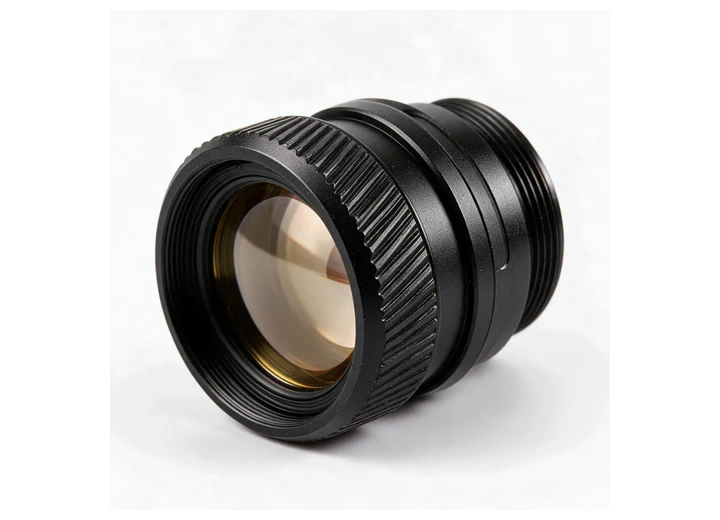
LWIR 8–12 μmF/1Manual focus
25.6 mm F/1 Manual-Focus LWIR Lens (KI625601)
Manual-focus LWIR reference at 25.6 mm for 640 × 512 / 12 μm detector formats, 17.1° × 13.7° field of view.
- Focal length25.6 mm
- F/#1
- Working wavelength8–12 μm
- Detector reference640 × 512 / 12 μm
View full specifications
- Focal length
- 25.6 mm
- F/#
- 1
- Working wavelength
- 8–12 μm
- Detector reference
- 640 × 512 / 12 μm
- Field of view
- 17.1° × 13.7°
- Average transmission
- ≥87% DLC reference
- Distortion
- 0.5%
- Front coating
- DLC
- Focus
- Manual
- Focus range
- 1 m–∞
- Weight
- ≤46 g
- Dimensions
- Φ35 mm × 25.93 mm
- Operating / storage
- −40 to +60 °C / −50 to +70 °C
- Sealing reference
- Front element IP67
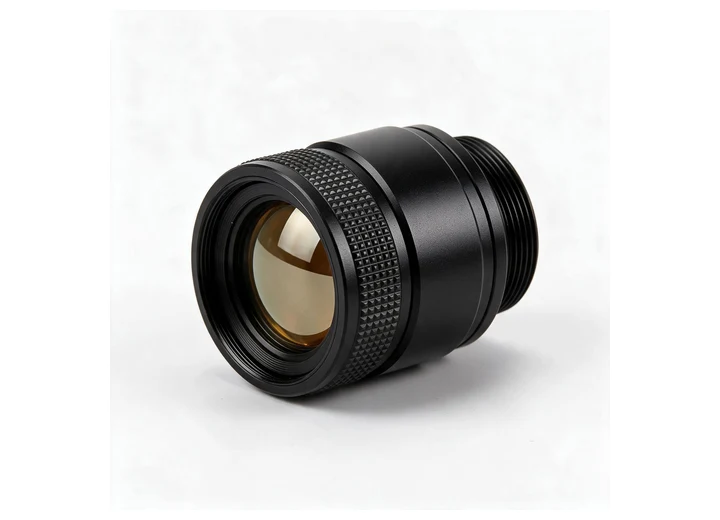
LWIR 8–12 μmF/1Manual focus
35 mm F/1 Manual-Focus LWIR Lens (KIS003513)
Manual-focus LWIR reference at 35 mm for 640 × 512 / 12 μm detector formats, 12.5° × 10° field of view.
- Focal length35 mm
- F/#1
- Working wavelength8–12 μm
- Detector reference640 × 512 / 12 μm
View full specifications
- Focal length
- 35 mm
- F/#
- 1
- Working wavelength
- 8–12 μm
- Detector reference
- 640 × 512 / 12 μm
- Field of view
- 12.5° × 10°
- Average transmission
- ≥95% AR reference
- Distortion
- 0.2%
- Front coating
- AR
- Focus
- Manual
- Focus range
- 2 m–∞
- Weight
- ≤80 g
- Dimensions
- Φ46 mm × 39 mm
- Operating / storage
- −40 to +60 °C / −50 to +70 °C
- Sealing reference
- Front element IP67
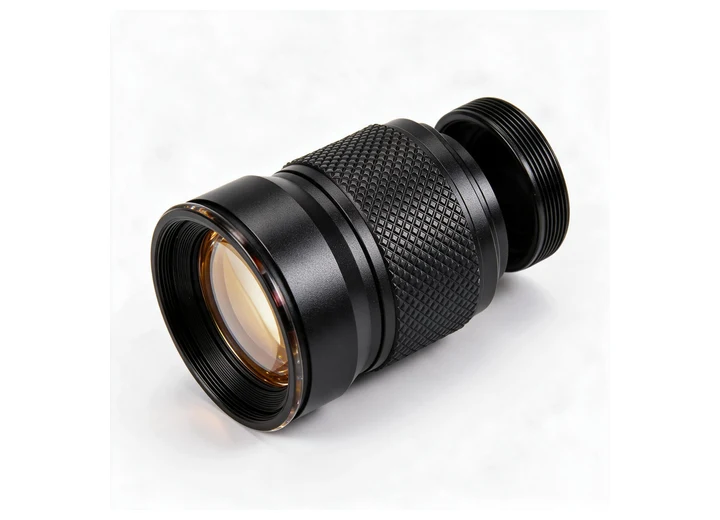
LWIR 8–12 μmF/1Manual focus
50 mm F/1 Manual-Focus LWIR Lens (KI605002)
Manual-focus LWIR reference at 50 mm for 640 × 512 / 12 μm detector formats, 8.8° × 7° field of view.
- Focal length50 mm
- F/#1
- Working wavelength8–12 μm
- Detector reference640 × 512 / 12 μm
View full specifications
- Focal length
- 50 mm
- F/#
- 1
- Working wavelength
- 8–12 μm
- Detector reference
- 640 × 512 / 12 μm
- Field of view
- 8.8° × 7°
- Average transmission
- ≥86% DLC reference
- Distortion
- 1%
- Front coating
- DLC
- Focus
- Manual
- Focus range
- 40 m–∞
- Weight
- ≤240 g
- Dimensions
- Φ60.8 mm × 65.44 mm
- Operating / storage
- −40 to +60 °C / −50 to +70 °C
- Sealing reference
- Front element IP67
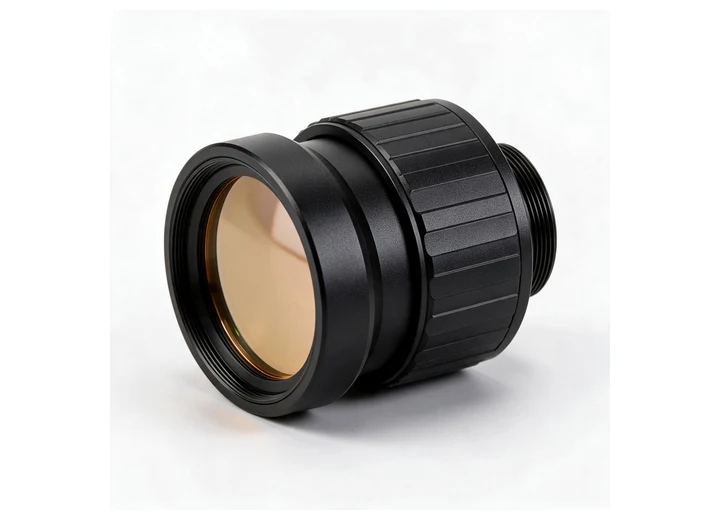
LWIR 8–12 μmF/1Manual focus
60 mm F/1 Manual-Focus LWIR Lens (KIS006001)
Manual-focus LWIR reference at 60 mm for 1280 × 1024 / 12 μm detector formats, 14.6° × 11.7° field of view.
- Focal length60 mm
- F/#1
- Working wavelength8–12 μm
- Detector reference1280 × 1024 / 12 μm
View full specifications
- Focal length
- 60 mm
- F/#
- 1
- Working wavelength
- 8–12 μm
- Detector reference
- 1280 × 1024 / 12 μm
- Field of view
- 14.6° × 11.7°
- Average transmission
- ≥86% DLC reference
- Distortion
- 0.2%
- Front coating
- DLC
- Focus
- Manual
- Focus range
- 5 m–∞
- Weight
- ≤330 g
- Dimensions
- Φ69 mm × 63.5 mm
- Operating / storage
- −40 to +60 °C / −50 to +70 °C
- Sealing reference
- Front element IP67
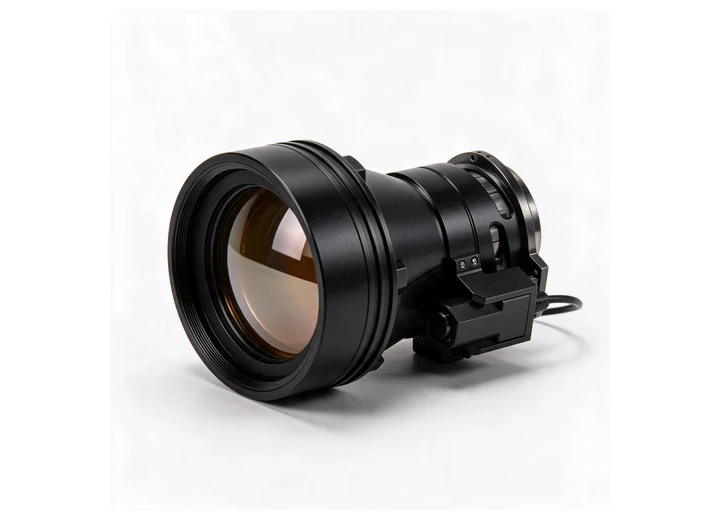
LWIR 8–12 μmF/1Focus configuration pending
70 mm F/1 LWIR Lens (KI607001)
LWIR reference at 70 mm for 640 × 512 / 12 μm detector formats, 6.3° × 5° field of view.
- Focal length70 mm
- F/#1
- Working wavelength8–12 μm
- Detector reference640 × 512 / 12 μm
View full specifications
- Focal length
- 70 mm
- F/#
- 1
- Working wavelength
- 8–12 μm
- Detector reference
- 640 × 512 / 12 μm
- Field of view
- 6.3° × 5°
- Average transmission
- ≥88% DLC reference
- Distortion
- 0.1%
- Front coating
- DLC
- Focus
- Manual
- Focus range
- 7 m–∞
- Weight
- ≤190 g
- Dimensions
- Φ79 mm × 82.3 mm
- Operating / storage
- −40 to +60 °C / −50 to +70 °C
- Sealing reference
- Front element IP67
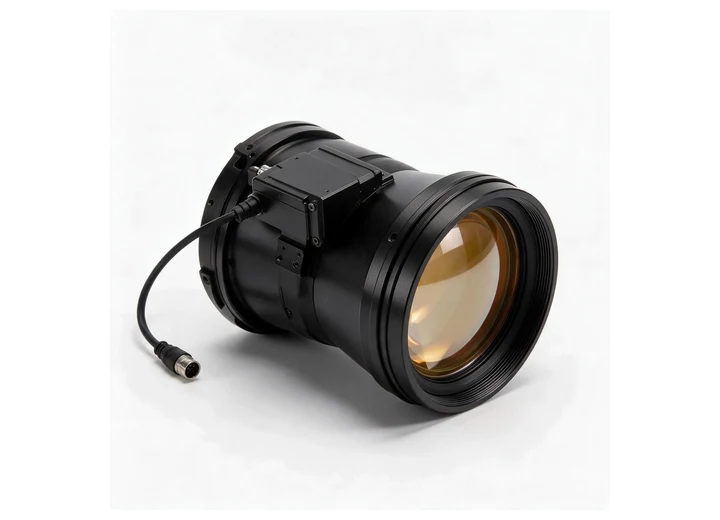
LWIR 8–12 μmF/1.1Focus configuration pending
70 mm F/1.1 LWIR Lens (KI607002)
LWIR reference at 70 mm for 640 × 512 / 12 μm detector formats, 6.3° × 5° field of view.
- Focal length70 mm
- F/#1.1
- Working wavelength8–12 μm
- Detector reference640 × 512 / 12 μm
View full specifications
- Focal length
- 70 mm
- F/#
- 1.1
- Working wavelength
- 8–12 μm
- Detector reference
- 640 × 512 / 12 μm
- Field of view
- 6.3° × 5°
- Average transmission
- ≥92% HD reference
- Distortion
- 1.08%
- Front coating
- HD
- Focus
- Manual
- Focus range
- 15 m–∞
- Weight
- ≤260 g
- Dimensions
- Φ74.2 mm × 78.29 mm
- Operating / storage
- −40 to +60 °C / −50 to +70 °C
- Sealing reference
- Front element IP67
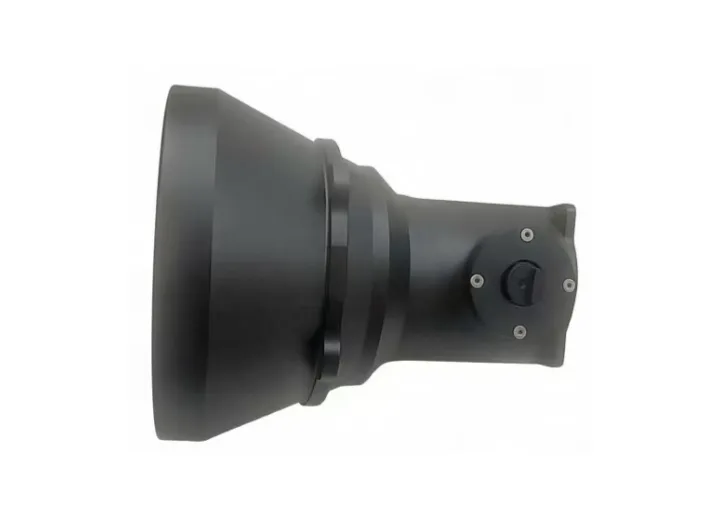
LWIR 8–12 μmF/1Manual focus
75 mm F/1 Manual-Focus LWIR Lens
Longer-focal-length LWIR objective with manual focusing for a 12 μm detector reference.
- Focal length75 mm
- F/#1.0
- Working wavelength8–12 μm
- Detector reference640 × 512 / 12 μm
View full specifications
- Focal length
- 75 mm
- F/#
- 1.0
- Working wavelength
- 8–12 μm
- Detector reference
- 640 × 512 / 12 μm
- Field of view
- 5.86° × 4.69°
- Average transmission
- ≥88% DLC reference
- Distortion
- −0.8%
- Focus
- Manual, 5 m–∞
- Weight
- ≤260 g
- Dimensions
- Φ81.5 × 92.36 mm
- Operating / storage
- −40 to +60 °C / −50 to +70 °C
- Sealing reference
- Front element IP67
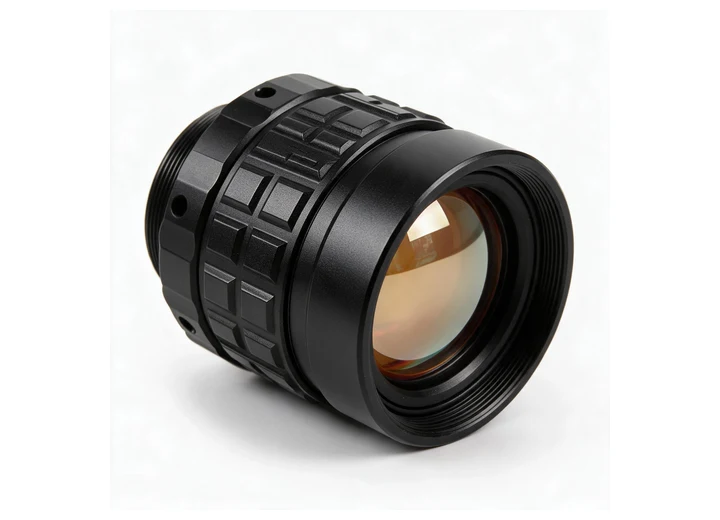
LWIR 8–12 μmF/1Manual focus
75 mm F/1 Manual-Focus LWIR Lens (KI607505)
Manual-focus LWIR reference at 75 mm for 640 × 480 / 17 μm detector formats, 8.3° × 6.2° field of view.
- Focal length75 mm
- F/#1
- Working wavelength8–12 μm
- Detector reference640 × 480 / 17 μm
View full specifications
- Focal length
- 75 mm
- F/#
- 1
- Working wavelength
- 8–12 μm
- Detector reference
- 640 × 480 / 17 μm
- Field of view
- 8.3° × 6.2°
- Average transmission
- ≥88% DLC reference
- Distortion
- 1%
- Front coating
- DLC
- Focus
- Manual
- Focus range
- 5 m–∞
- Weight
- ≤660 g
- Dimensions
- Φ86 mm × 85.3 mm
- Operating / storage
- −40 to +60 °C / −50 to +70 °C
- Sealing reference
- Front element IP67
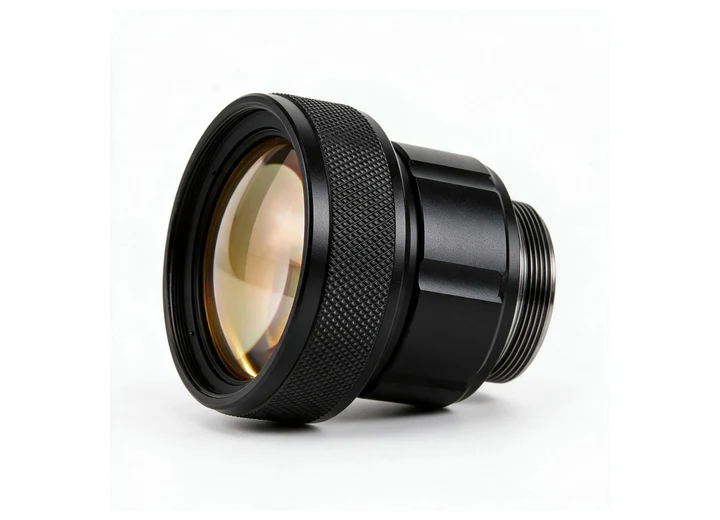
LWIR 8–12 μmF/1Manual focus
75 mm F/1 Manual-Focus LWIR Lens (KIS007508)
Manual-focus LWIR reference at 75 mm for 1280 × 1024 / 12 μm detector formats, 11.7° × 9.4° field of view.
- Focal length75 mm
- F/#1
- Working wavelength8–12 μm
- Detector reference1280 × 1024 / 12 μm
View full specifications
- Focal length
- 75 mm
- F/#
- 1
- Working wavelength
- 8–12 μm
- Detector reference
- 1280 × 1024 / 12 μm
- Field of view
- 11.7° × 9.4°
- Average transmission
- ≥86% DLC reference
- Distortion
- 1.6%
- Front coating
- DLC
- Focus
- Manual
- Focus range
- 10 m–∞
- Weight
- ≤360 g
- Dimensions
- Φ83 mm × 66.93 mm
- Operating / storage
- −40 to +60 °C / −50 to +70 °C
- Sealing reference
- Front element IP67
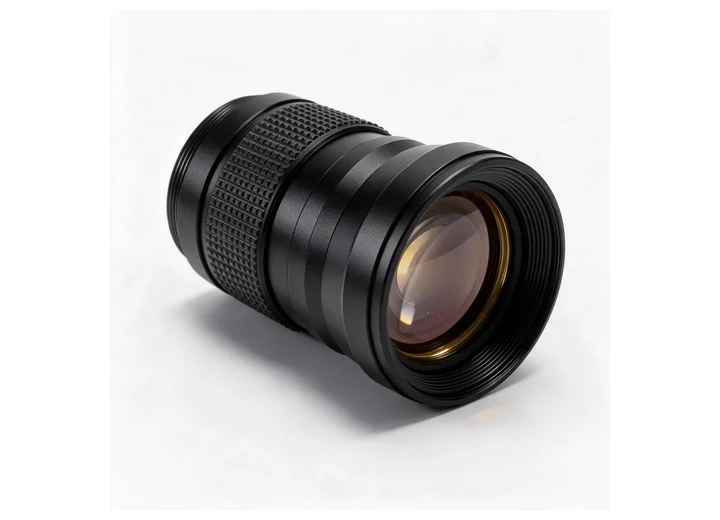
LWIR 8–12 μmF/1Manual focus
75 mm F/1 Manual-Focus LWIR Lens (KIS007509)
Manual-focus LWIR reference at 75 mm for 640 × 512 / 12 μm detector formats, 5.9° × 4.7° field of view.
- Focal length75 mm
- F/#1
- Working wavelength8–12 μm
- Detector reference640 × 512 / 12 μm
View full specifications
- Focal length
- 75 mm
- F/#
- 1
- Working wavelength
- 8–12 μm
- Detector reference
- 640 × 512 / 12 μm
- Field of view
- 5.9° × 4.7°
- Average transmission
- ≥86% DLC reference
- Distortion
- 1%
- Front coating
- DLC
- Focus
- Manual
- Focus range
- 8 m–∞
- Weight
- ≤430 g
- Dimensions
- Φ84.5 mm × 86.78 mm
- Operating / storage
- −40 to +60 °C / −50 to +70 °C
- Sealing reference
- Front element IP67
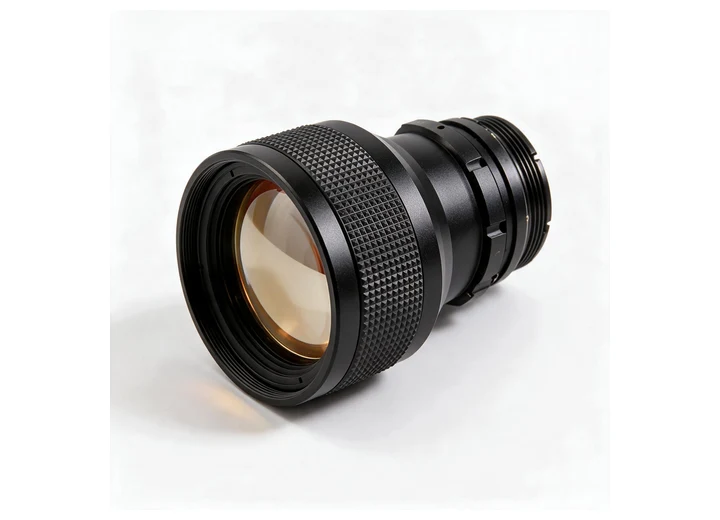
LWIR 8–12 μmF/1.1Manual focus
100 mm F/1.1 Manual-Focus LWIR Lens (KI610001)
Manual-focus LWIR reference at 100 mm for 640 × 512 / 12 μm detector formats, 4.4° × 3.5° field of view.
- Focal length100 mm
- F/#1.1
- Working wavelength8–12 μm
- Detector reference640 × 512 / 12 μm
View full specifications
- Focal length
- 100 mm
- F/#
- 1.1
- Working wavelength
- 8–12 μm
- Detector reference
- 640 × 512 / 12 μm
- Field of view
- 4.4° × 3.5°
- Average transmission
- ≥86% DLC reference
- Distortion
- 0.1%
- Front coating
- DLC
- Focus
- Manual
- Focus range
- 10 m–∞
- Weight
- ≤430 g
- Dimensions
- Φ100 mm × 113.63 mm
- Operating / storage
- −40 to +60 °C / −50 to +70 °C
- Sealing reference
- Front element IP67
LWIR · 8–12 μm
Athermalized fixed-focus LWIR objectives
Fixed-focus, passively athermalized objectives from ultra-wide 3 mm coverage to 125 mm narrow-field imaging, including compact options for embedded, handheld and airborne payloads. The athermalized design keeps focus stable across the operating temperature range without a user focus adjustment.
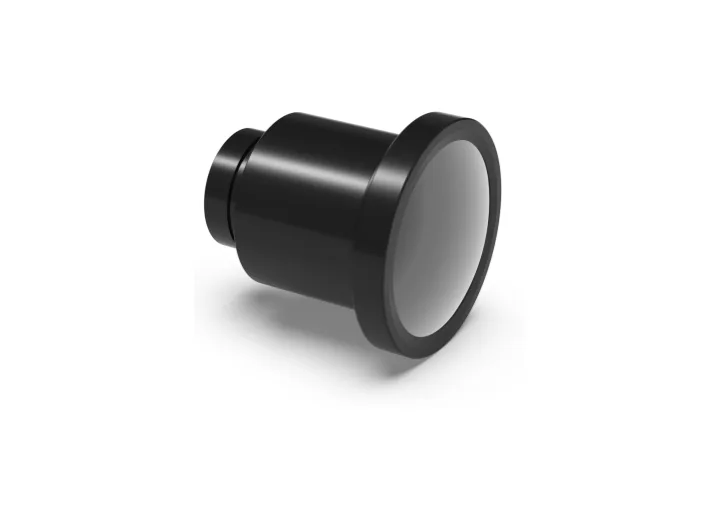
LWIR 8–12 μm132° FOVUltra-wide
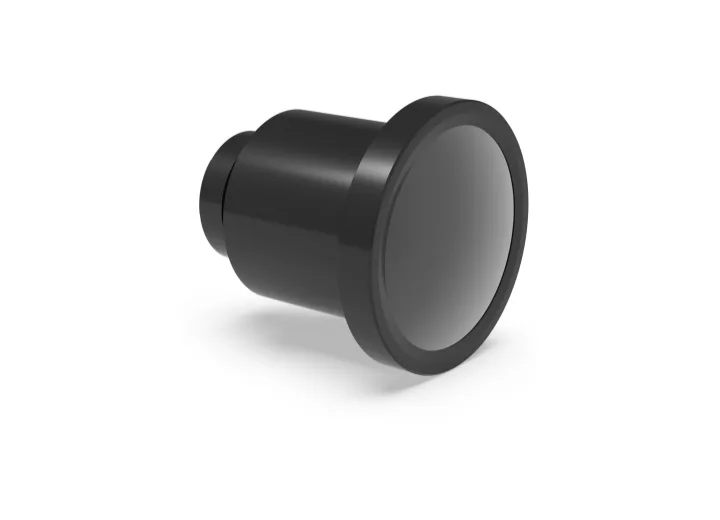
3 mm Ultra-Wide Athermalized LWIR Lens
Ultra-wide F/1 LWIR objective for maximum scene coverage at short focal length.
- Focal length3 mm
- F/#1.0
- Working wavelength8–12 μm
- Detector reference640 × 512 / 12 μm
View full specifications
- Focal length
- 3 mm
- F/#
- 1.0
- Working wavelength
- 8–12 μm
- Detector reference
- 640 × 512 / 12 μm
- Field of view
- 132° × 109.4°
- Average transmission
- ≥85% DLC reference
- Distortion
- −72%
- Focus / depth of field
- Fixed, 0.2 m–∞
- Weight
- ≤105 g
- Dimensions
- Φ44 × 50 mm
- Environment
- −40 to +60 °C; front element IP67
LWIR 8–12 μm100° FOVF/1
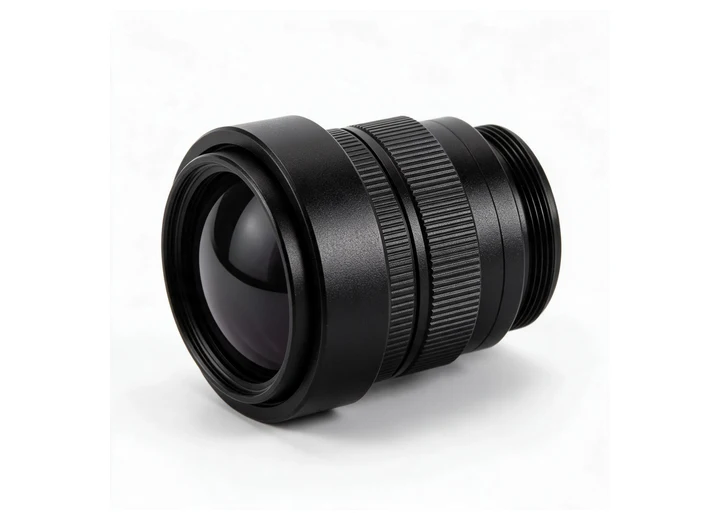
4 mm Wide-Angle Athermalized LWIR Lens
Wide-angle athermalized LWIR objective for compact thermal modules.
- Focal length4 mm
- F/#1.0
- Working wavelength8–12 μm
- Detector reference640 × 512 / 12 μm
View full specifications
- Focal length
- 4 mm
- F/#
- 1.0
- Working wavelength
- 8–12 μm
- Detector reference
- 640 × 512 / 12 μm
- Field of view
- 100° × 82.5°
- Average transmission
- ≥87% DLC reference
- Distortion
- −33%
- Focus / depth of field
- Fixed, 1 m–∞
- Weight
- ≤75 g
- Dimensions
- Φ32.5 × 36 mm
- Environment
- −40 to +60 °C; front element IP67
LWIR 8–12 μmF/1.2Athermalized
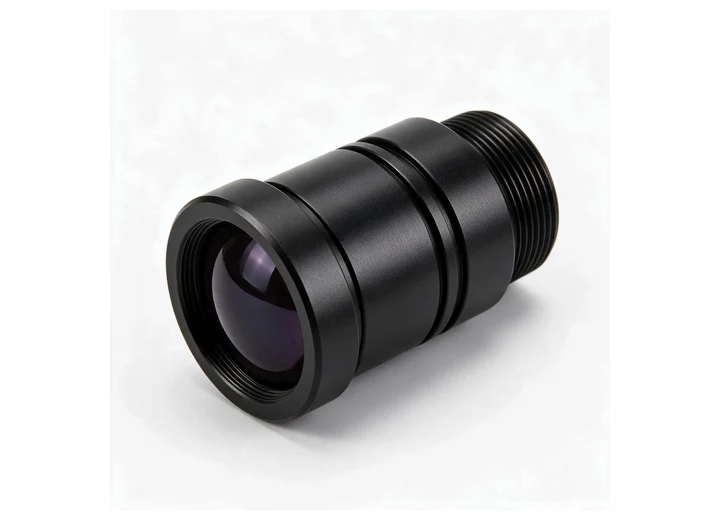
4.1 mm F/1.2 Athermalized LWIR Lens (KI604111)
Athermalized fixed-focal LWIR reference at 4.1 mm for 640 × 512 / 12 μm detector formats, 100° × 82° field of view.
- Focal length4.1 mm
- F/#1.2
- Working wavelength8–12 μm
- Detector reference640 × 512 / 12 μm
View full specifications
- Focal length
- 4.1 mm
- F/#
- 1.2
- Working wavelength
- 8–12 μm
- Detector reference
- 640 × 512 / 12 μm
- Field of view
- 100° × 82°
- Average transmission
- ≥90% AR reference
- Distortion
- −36%
- Front coating
- AR
- Focus
- Fixed (athermalized)
- Depth of field
- 0.5 m–∞
- Weight
- ≤40 g
- Dimensions
- Φ32 mm × 24.03 mm
- Operating / storage
- −40 to +60 °C / −50 to +70 °C
- Sealing reference
- Front element IP67
LWIR 8–12 μmF/1.0Athermalized
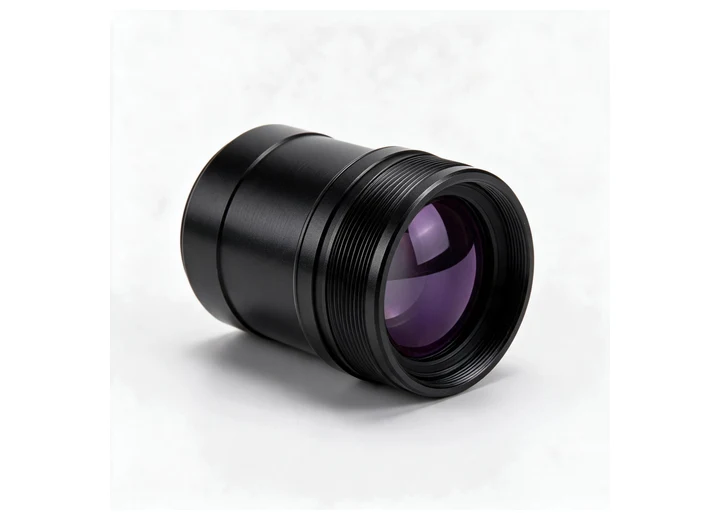
6.19 mm F/1.0 Athermalized LWIR Lens (KI661911)
Athermalized fixed-focal LWIR reference at 6.19 mm for 640 × 512 / 12 μm detector formats, 63.6° × 52.8° field of view.
- Focal length6.19 mm
- F/#1.0
- Working wavelength8–12 μm
- Detector reference640 × 512 / 12 μm
View full specifications
- Focal length
- 6.19 mm
- F/#
- 1.0
- Working wavelength
- 8–12 μm
- Detector reference
- 640 × 512 / 12 μm
- Field of view
- 63.6° × 52.8°
- Average transmission
- ≥86% DLC reference
- Distortion
- −10.1%
- Front coating
- DLC
- Focus
- Fixed (athermalized)
- Depth of field
- 5 m–∞
- Weight
- ≤28 g
- Dimensions
- Φ22 mm × 25.64 mm
- Operating / storage
- −40 to +60 °C / −50 to +70 °C
- Sealing reference
- Front element IP67
LWIR 8–12 μmF/1.1Athermalized
7.5 mm F/1.1 Athermalized LWIR Lens (KIA007504)
Athermalized fixed-focal LWIR reference at 7.5 mm for 640 × 512 / 17 μm detector formats, 92° × 70.6° field of view.
- Focal length7.5 mm
- F/#1.1
- Working wavelength8–12 μm
- Detector reference640 × 512 / 17 μm
View full specifications
- Focal length
- 7.5 mm
- F/#
- 1.1
- Working wavelength
- 8–12 μm
- Detector reference
- 640 × 512 / 17 μm
- Field of view
- 92° × 70.6°
- Average transmission
- ≥86% DLC reference
- Distortion
- −58%
- Front coating
- DLC
- Focus
- Fixed (athermalized)
- Depth of field
- 1 m–∞
- Weight
- ≤70 g
- Dimensions
- Φ36 mm × 35 mm
- Operating / storage
- −40 to +60 °C / −50 to +70 °C
- Sealing reference
- Front element IP67
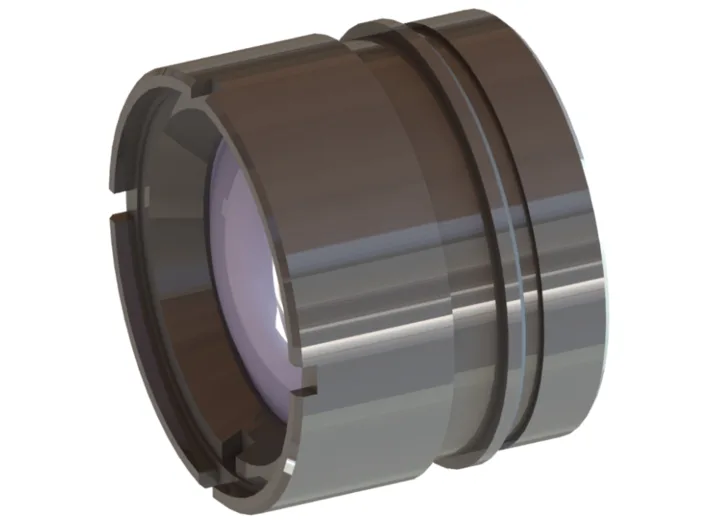
LWIR 8–12 μm≤15 gCompact payload
9.1 mm Compact Athermalized LWIR Lens
Very-low-mass LWIR objective for embedded systems and compact airborne payloads.
- Focal length9.1 mm
- F/#1.0
- Working wavelength8–12 μm
- Detector reference640 × 512 / 12 μm
View full specifications
- Focal length
- 9.1 mm
- F/#
- 1.0
- Working wavelength
- 8–12 μm
- Detector reference
- 640 × 512 / 12 μm
- Field of view
- 47.2° × 38.2°
- Average transmission
- ≥92% HD reference
- Distortion
- −3%
- Focus / depth of field
- Fixed, 0.5 m–∞
- Weight
- ≤15 g
- Dimensions
- Φ20.9 × 16 mm
- Coating reference
- AR / HD
- Environment
- −40 to +60 °C; front element IP67
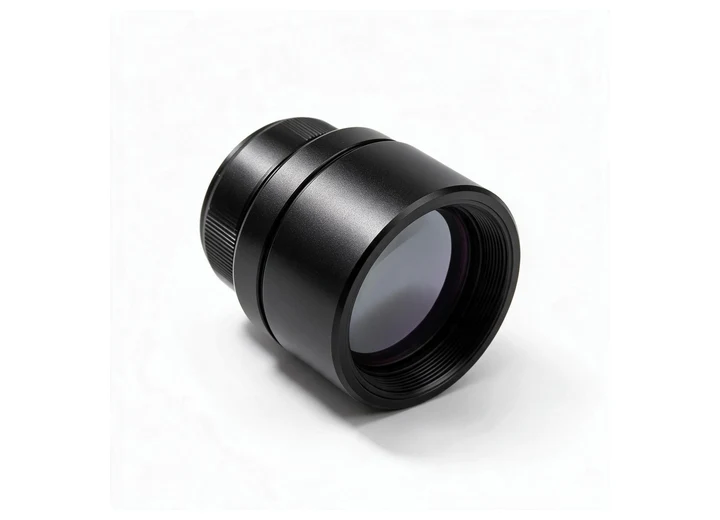
LWIR 8–12 μmF/1.2Athermalized
10.5 mm F/1.2 Athermalized LWIR Lens (KI610511)
Athermalized fixed-focal LWIR reference at 10.5 mm for 640 × 512 / 12 μm detector formats, 40.2° × 32.6° field of view.
- Focal length10.5 mm
- F/#1.2
- Working wavelength8–12 μm
- Detector reference640 × 512 / 12 μm
View full specifications
- Focal length
- 10.5 mm
- F/#
- 1.2
- Working wavelength
- 8–12 μm
- Detector reference
- 640 × 512 / 12 μm
- Field of view
- 40.2° × 32.6°
- Average transmission
- ≥92% HD reference
- Distortion
- −1%
- Front coating
- HD
- Focus
- Fixed (athermalized)
- Depth of field
- 3 m–∞
- Weight
- ≤25 g
- Dimensions
- Φ26 mm × 15.5 mm
- Operating / storage
- −40 to +60 °C / −50 to +70 °C
- Sealing reference
- Front element IP67
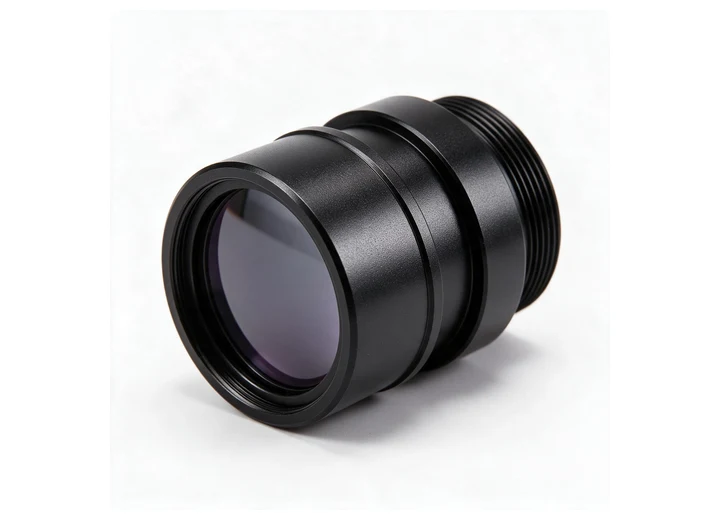
LWIR 8–12 μmF/1Athermalized
13 mm F/1 Athermalized LWIR Lens (KIA001303)
Athermalized fixed-focal LWIR reference at 13 mm for 640 × 512 / 12 μm detector formats, 32.9° × 26.6° field of view.
- Focal length13 mm
- F/#1
- Working wavelength8–12 μm
- Detector reference640 × 512 / 12 μm
View full specifications
- Focal length
- 13 mm
- F/#
- 1
- Working wavelength
- 8–12 μm
- Detector reference
- 640 × 512 / 12 μm
- Field of view
- 32.9° × 26.6°
- Average transmission
- ≥88% DLC reference
- Distortion
- −0.5%
- Front coating
- DLC
- Focus
- Fixed (athermalized)
- Depth of field
- 5 m–∞
- Weight
- ≤23 g
- Dimensions
- Φ20 mm × 21.4 mm
- Operating / storage
- −40 to +60 °C / −50 to +70 °C
- Sealing reference
- Front element IP67
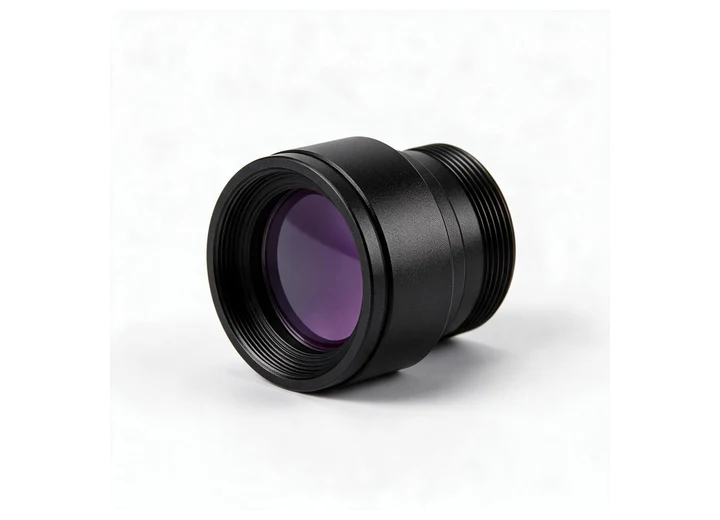
LWIR 8–12 μmF/1Athermalized
13.4 mm F/1 Athermalized LWIR Lens (KIA013401)
Athermalized fixed-focal LWIR reference at 13.4 mm for 640 × 480 / 17 μm detector formats, 48° × 35.5° field of view.
- Focal length13.4 mm
- F/#1
- Working wavelength8–12 μm
- Detector reference640 × 480 / 17 μm
View full specifications
- Focal length
- 13.4 mm
- F/#
- 1
- Working wavelength
- 8–12 μm
- Detector reference
- 640 × 480 / 17 μm
- Field of view
- 48° × 35.5°
- Average transmission
- ≥92% AR reference
- Distortion
- −14%
- Front coating
- AR
- Focus
- Fixed (athermalized)
- Depth of field
- 0.2 m–∞
- Weight
- ≤80 g
- Dimensions
- Φ40 mm × 32.5 mm
- Operating / storage
- −40 to +60 °C / −50 to +70 °C
- Sealing reference
- Front element IP67
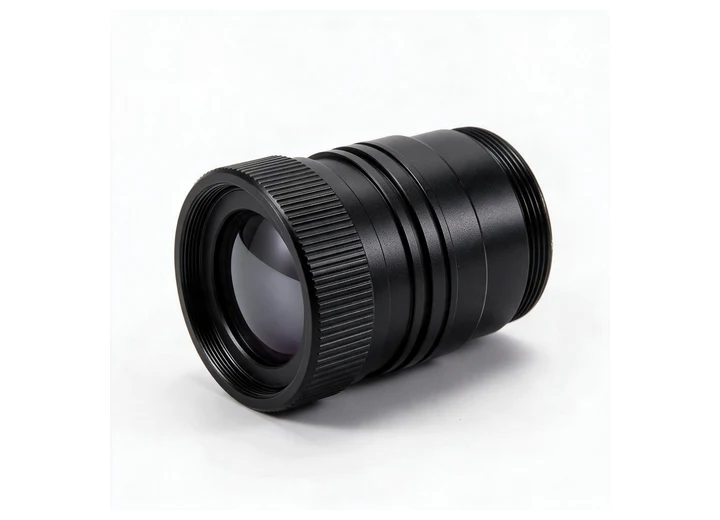
LWIR 8–12 μmF/1Athermalized
13.5 mm F/1 Athermalized LWIR Lens (KIA013501)
Athermalized fixed-focal LWIR reference at 13.5 mm for 640 × 512 / 12 μm detector formats, 31.8° × 25.6° field of view.
- Focal length13.5 mm
- F/#1
- Working wavelength8–12 μm
- Detector reference640 × 512 / 12 μm
View full specifications
- Focal length
- 13.5 mm
- F/#
- 1
- Working wavelength
- 8–12 μm
- Detector reference
- 640 × 512 / 12 μm
- Field of view
- 31.8° × 25.6°
- Average transmission
- ≥92% AR reference
- Distortion
- −2%
- Front coating
- AR
- Focus
- Fixed (athermalized)
- Depth of field
- 0.5 m–∞
- Weight
- ≤23 g
- Dimensions
- Φ23 mm × 22.5 mm
- Operating / storage
- −40 to +60 °C / −50 to +70 °C
- Sealing reference
- Front element IP67
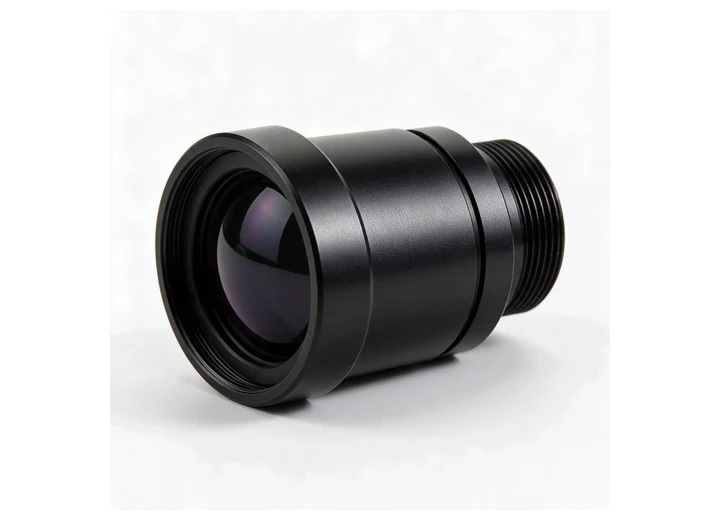
LWIR 8–12 μmF/1Athermalized
14 mm F/1 Athermalized LWIR Lens (KI801411)
Athermalized fixed-focal LWIR reference at 14 mm for 1280 × 1024 / 12 μm detector formats, 59° × 48° field of view.
- Focal length14 mm
- F/#1
- Working wavelength8–12 μm
- Detector reference1280 × 1024 / 12 μm
View full specifications
- Focal length
- 14 mm
- F/#
- 1
- Working wavelength
- 8–12 μm
- Detector reference
- 1280 × 1024 / 12 μm
- Field of view
- 59° × 48°
- Average transmission
- ≥84% DLC reference
- Distortion
- −6%
- Front coating
- DLC
- Focus
- Fixed (athermalized)
- Depth of field
- 8 m–∞
- Weight
- ≤50 g
- Dimensions
- Φ30 mm × 31.6 mm
- Operating / storage
- −40 to +60 °C / −50 to +70 °C
- Sealing reference
- Front element IP67
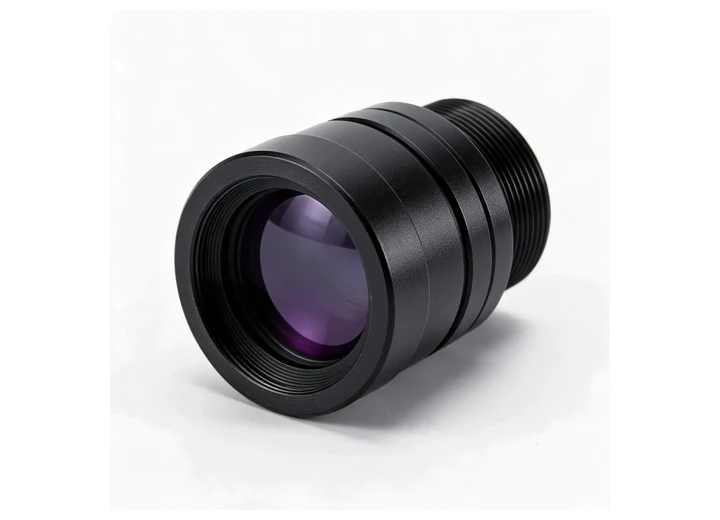
LWIR 8–12 μmF/1Athermalized
16.8 mm F/1 Athermalized LWIR Lens (KIA016802)
Athermalized fixed-focal LWIR reference at 16.8 mm for 1280 × 1024 / 12 μm detector formats, 50.9° × 41° field of view.
- Focal length16.8 mm
- F/#1
- Working wavelength8–12 μm
- Detector reference1280 × 1024 / 12 μm
View full specifications
- Focal length
- 16.8 mm
- F/#
- 1
- Working wavelength
- 8–12 μm
- Detector reference
- 1280 × 1024 / 12 μm
- Field of view
- 50.9° × 41°
- Average transmission
- ≥86% DLC reference
- Distortion
- −6%
- Front coating
- DLC
- Focus
- Fixed (athermalized)
- Depth of field
- 20 m–∞
- Weight
- ≤61 g
- Dimensions
- Φ32 mm × 29.5 mm
- Operating / storage
- −40 to +60 °C / −50 to +70 °C
- Sealing reference
- Front element IP67
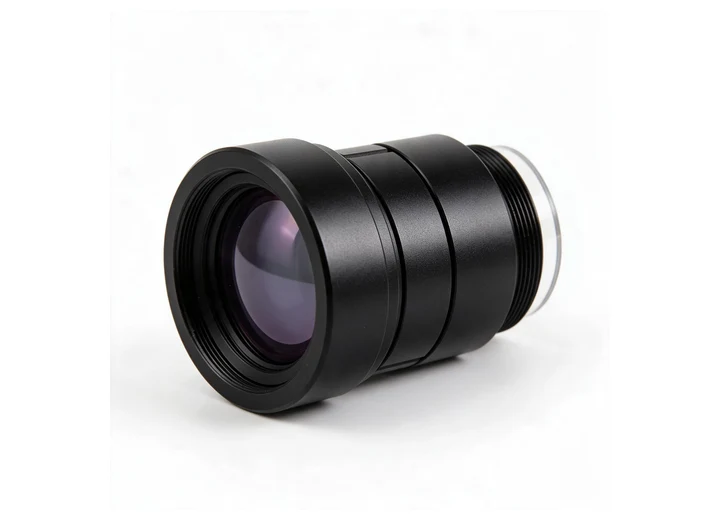
LWIR 8–12 μmF/1.1Athermalized
18 mm F/1.1 Athermalized LWIR Lens (KIA001802)
Athermalized fixed-focal LWIR reference at 18 mm for 640 × 512 / 12 μm detector formats, 24.1° × 19.4° field of view.
- Focal length18 mm
- F/#1.1
- Working wavelength8–12 μm
- Detector reference640 × 512 / 12 μm
View full specifications
- Focal length
- 18 mm
- F/#
- 1.1
- Working wavelength
- 8–12 μm
- Detector reference
- 640 × 512 / 12 μm
- Field of view
- 24.1° × 19.4°
- Average transmission
- ≥95% AR reference
- Distortion
- −0.9%
- Front coating
- AR
- Focus
- Fixed (athermalized)
- Depth of field
- 8 m–∞
- Weight
- ≤15 g
- Dimensions
- Φ21 mm × 17.3 mm
- Operating / storage
- −40 to +60 °C / −50 to +70 °C
- Sealing reference
- Front element IP67
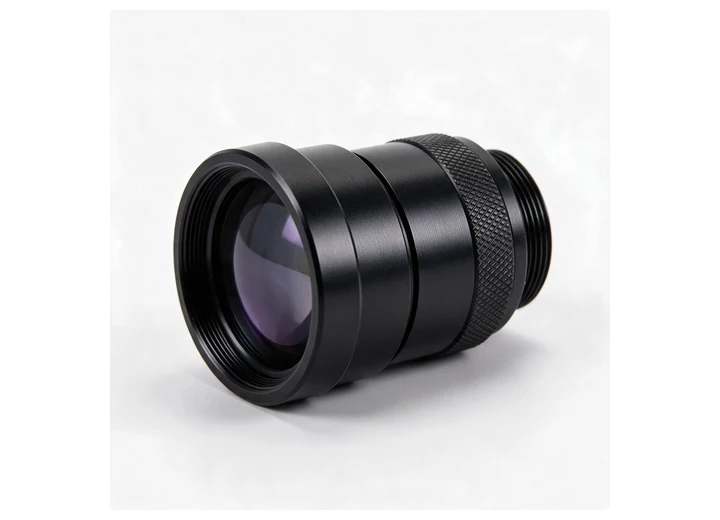
LWIR 8–12 μmF/0.9Athermalized
19 mm F/0.9 Athermalized LWIR Lens (KIA001901)
Athermalized fixed-focal LWIR reference at 19 mm for 640 × 512 / 17 μm detector formats, 31° × 25.4° field of view.
- Focal length19 mm
- F/#0.9
- Working wavelength8–12 μm
- Detector reference640 × 512 / 17 μm
View full specifications
- Focal length
- 19 mm
- F/#
- 0.9
- Working wavelength
- 8–12 μm
- Detector reference
- 640 × 512 / 17 μm
- Field of view
- 31° × 25.4°
- Average transmission
- ≥92% AR reference
- Distortion
- 4.7%
- Front coating
- AR
- Focus
- Fixed (athermalized)
- Depth of field
- 15 m–∞
- Weight
- ≤35 g
- Dimensions
- Φ30 mm × 26 mm
- Operating / storage
- −40 to +60 °C / −50 to +70 °C
- Sealing reference
- Front element IP67
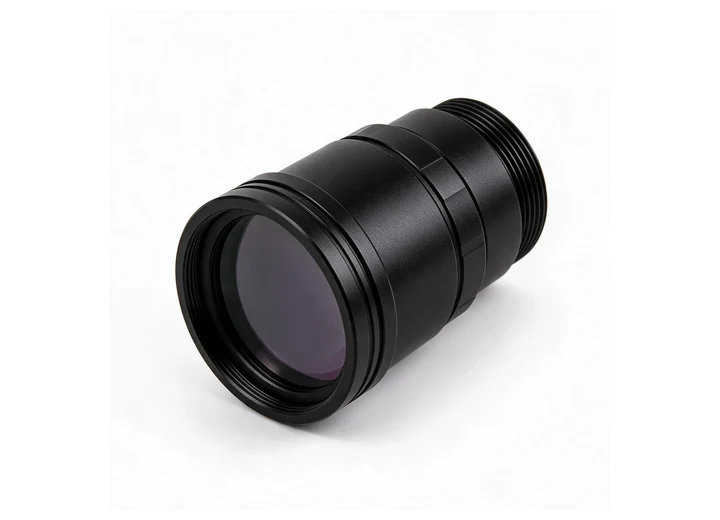
LWIR 8–12 μmF/1Athermalized
20 mm F/1 Athermalized LWIR Lens (KIA002001)
Athermalized fixed-focal LWIR reference at 20 mm for 1280 × 1024 / 12 μm detector formats, 42° × 34.2° field of view.
- Focal length20 mm
- F/#1
- Working wavelength8–12 μm
- Detector reference1280 × 1024 / 12 μm
View full specifications
- Focal length
- 20 mm
- F/#
- 1
- Working wavelength
- 8–12 μm
- Detector reference
- 1280 × 1024 / 12 μm
- Field of view
- 42° × 34.2°
- Average transmission
- ≥85% DLC reference
- Distortion
- −1.7%
- Front coating
- DLC
- Focus
- Fixed (athermalized)
- Depth of field
- 10 m–∞
- Weight
- ≤65 g
- Dimensions
- Φ34 mm × 32.32 mm
- Operating / storage
- −40 to +60 °C / −50 to +70 °C
- Sealing reference
- Front element IP67
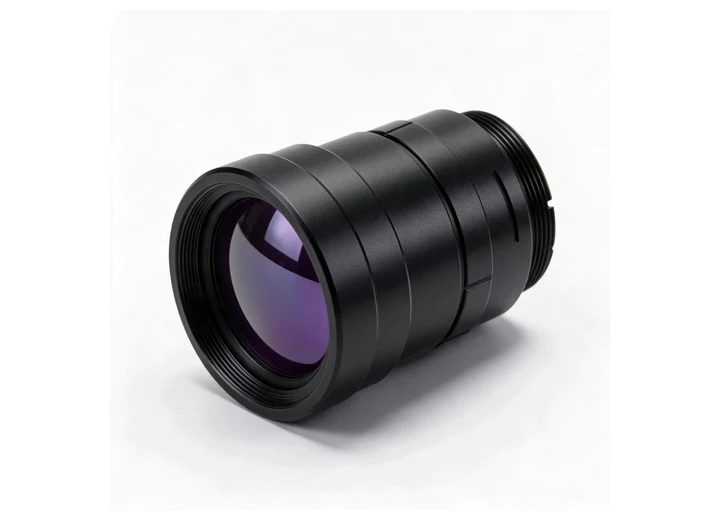
LWIR 8–12 μmF/1Athermalized
25 mm F/1 Athermalized LWIR Lens (KI602511)
Athermalized fixed-focal LWIR reference at 25 mm for 640 × 512 / 12 μm detector formats, 17.5° × 14° field of view.
- Focal length25 mm
- F/#1
- Working wavelength8–12 μm
- Detector reference640 × 512 / 12 μm
View full specifications
- Focal length
- 25 mm
- F/#
- 1
- Working wavelength
- 8–12 μm
- Detector reference
- 640 × 512 / 12 μm
- Field of view
- 17.5° × 14°
- Average transmission
- ≥87% DLC reference
- Distortion
- −0.5%
- Front coating
- DLC
- Focus
- Fixed (athermalized)
- Depth of field
- 15 m–∞
- Weight
- ≤30 g
- Dimensions
- Φ31 mm × 25.5 mm
- Operating / storage
- −40 to +60 °C / −50 to +70 °C
- Sealing reference
- Front element IP67
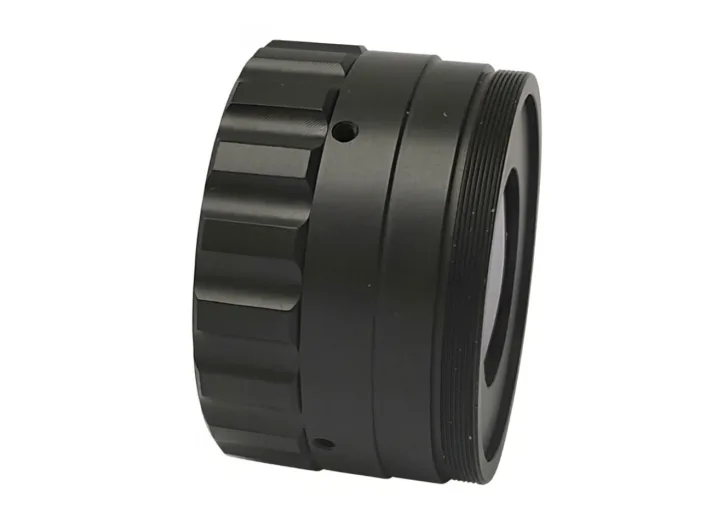
LWIR 8–12 μm1280 × 1024F/1
25 mm High-Resolution Athermalized LWIR Lens
High-resolution 25 mm LWIR objective matched to a 1280 × 1024 / 12 μm detector reference.
- Focal length25 mm
- F/#1.0
- Working wavelength8–12 μm
- Detector reference1280 × 1024 / 12 μm
View full specifications
- Focal length
- 25 mm
- F/#
- 1.0
- Working wavelength
- 8–12 μm
- Detector reference
- 1280 × 1024 / 12 μm
- Field of view
- 34.2° × 27.6°
- Average transmission
- ≥86% HD reference
- Distortion
- 1%
- Focus / depth of field
- Fixed, 20 m–∞
- Weight
- ≤120 g
- Dimensions
- Φ48 × 31.59 mm
- Coating reference
- AR / HD
- Environment
- −40 to +60 °C; front element IP67
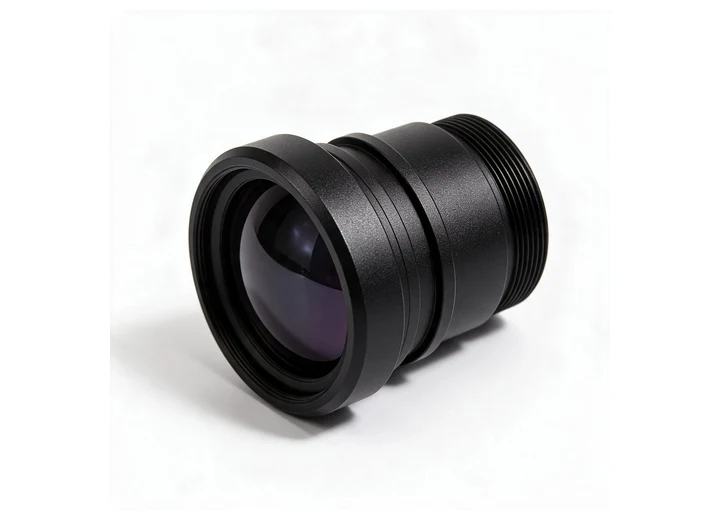
LWIR 8–12 μmF/1Athermalized
30 mm F/1 Athermalized LWIR Lens (KI603011)
Athermalized fixed-focal LWIR reference at 30 mm for 640 × 512 / 12 μm detector formats, 14.6° × 11.7° field of view.
- Focal length30 mm
- F/#1
- Working wavelength8–12 μm
- Detector reference640 × 512 / 12 μm
View full specifications
- Focal length
- 30 mm
- F/#
- 1
- Working wavelength
- 8–12 μm
- Detector reference
- 640 × 512 / 12 μm
- Field of view
- 14.6° × 11.7°
- Average transmission
- ≥90% AR reference
- Distortion
- 1.9%
- Front coating
- AR
- Focus
- Fixed (athermalized)
- Depth of field
- 30 m–∞
- Weight
- ≤40 g
- Dimensions
- Φ35 mm × 27.75 mm
- Operating / storage
- −40 to +60 °C / −50 to +70 °C
- Sealing reference
- Front element IP67
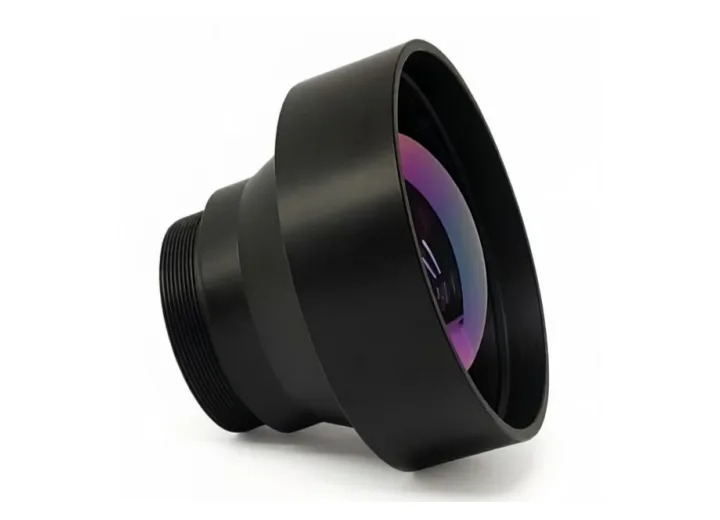
LWIR 8–12 μmF/1≤70 g
35 mm F/1 Athermalized LWIR Lens
Compact medium-field athermalized objective for 640 × 512 / 12 μm detectors.
- Focal length35 mm
- F/#1.0
- Working wavelength8–12 μm
- Detector reference640 × 512 / 12 μm
View full specifications
- Focal length
- 35 mm
- F/#
- 1.0
- Working wavelength
- 8–12 μm
- Detector reference
- 640 × 512 / 12 μm
- Field of view
- 12.5° × 10°
- Average transmission
- ≥90% HD reference
- Distortion
- 1.9%
- Focus / depth of field
- Fixed, 25 m–∞
- Weight
- ≤70 g
- Dimensions
- Φ42 × 32.5 mm
- Coating reference
- AR / HD
- Environment
- −40 to +60 °C; front element IP67
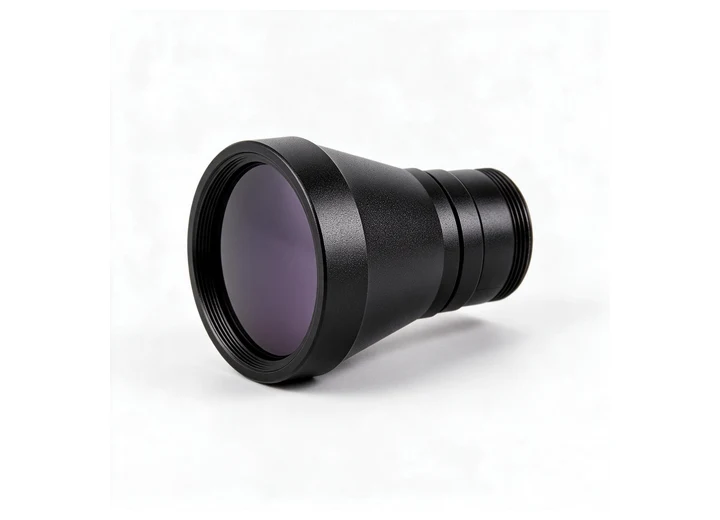
LWIR 8–12 μmF/1Athermalized
35 mm F/1 Athermalized LWIR Lens (KI603512)
Athermalized fixed-focal LWIR reference at 35 mm for 640 × 512 / 12 μm detector formats, 12.5° × 10° field of view.
- Focal length35 mm
- F/#1
- Working wavelength8–12 μm
- Detector reference640 × 512 / 12 μm
View full specifications
- Focal length
- 35 mm
- F/#
- 1
- Working wavelength
- 8–12 μm
- Detector reference
- 640 × 512 / 12 μm
- Field of view
- 12.5° × 10°
- Average transmission
- ≥90% HD reference
- Distortion
- 1.4%
- Front coating
- HD
- Focus
- Fixed (athermalized)
- Depth of field
- 25 m–∞
- Weight
- ≤65 g
- Dimensions
- Φ42 mm × 38.8 mm
- Operating / storage
- −40 to +60 °C / −50 to +70 °C
- Sealing reference
- Front element IP67
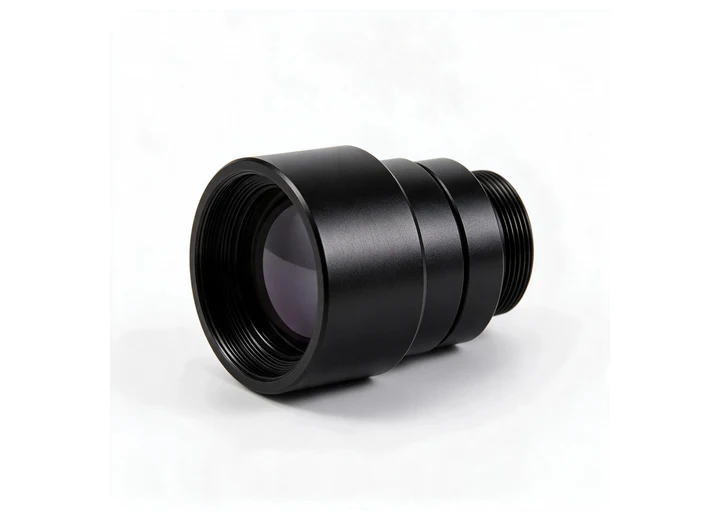
LWIR 8–12 μmF/1Athermalized
35 mm F/1 Athermalized LWIR Lens (KI803512)
Athermalized fixed-focal LWIR reference at 35 mm for 1280 × 1024 / 12 μm detector formats, 24.8° × 19.9° field of view.
- Focal length35 mm
- F/#1
- Working wavelength8–12 μm
- Detector reference1280 × 1024 / 12 μm
View full specifications
- Focal length
- 35 mm
- F/#
- 1
- Working wavelength
- 8–12 μm
- Detector reference
- 1280 × 1024 / 12 μm
- Field of view
- 24.8° × 19.9°
- Average transmission
- ≥89% HD reference
- Distortion
- 1%
- Front coating
- HD
- Focus
- Fixed (athermalized)
- Depth of field
- 25 m–∞
- Weight
- ≤111 g
- Dimensions
- Φ43 mm × 38 mm
- Operating / storage
- −40 to +60 °C / −50 to +70 °C
- Sealing reference
- Front element IP67
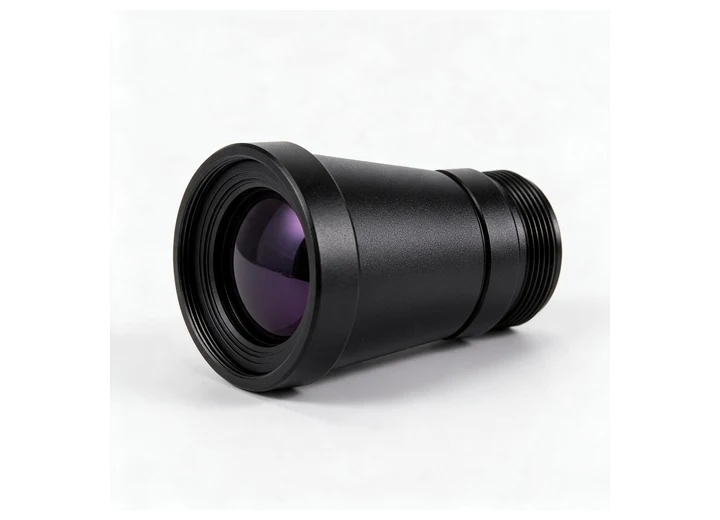
LWIR 8–12 μmF/1.2Athermalized
40 mm F/1.2 Athermalized LWIR Lens (KI604011)
Athermalized fixed-focal LWIR reference at 40 mm for 640 × 512 / 12 μm detector formats, 11° × 8.8° field of view.
- Focal length40 mm
- F/#1.2
- Working wavelength8–12 μm
- Detector reference640 × 512 / 12 μm
View full specifications
- Focal length
- 40 mm
- F/#
- 1.2
- Working wavelength
- 8–12 μm
- Detector reference
- 640 × 512 / 12 μm
- Field of view
- 11° × 8.8°
- Average transmission
- ≥92% HD reference
- Distortion
- 0.3%
- Front coating
- HD
- Focus
- Fixed (athermalized)
- Depth of field
- 40 m–∞
- Weight
- ≤50 g
- Dimensions
- Φ39 mm × 46.2 mm
- Operating / storage
- −40 to +60 °C / −50 to +70 °C
- Sealing reference
- Front element IP67
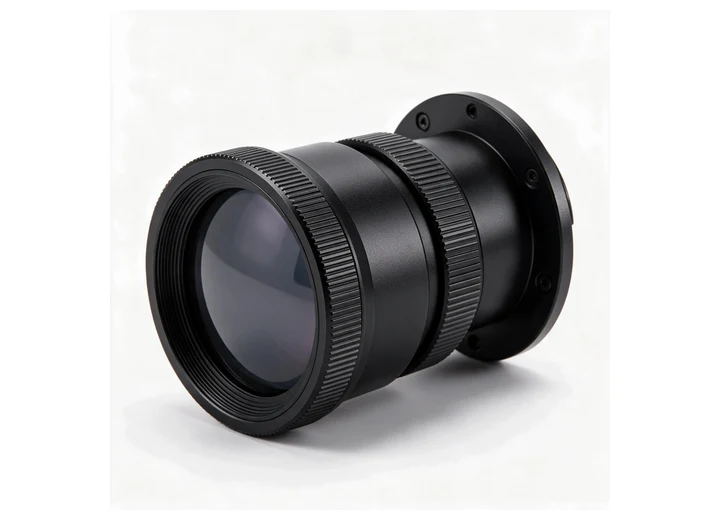
LWIR 8–12 μmF/1Athermalized
50 mm F/1 Athermalized LWIR Lens (KIA005005)
Athermalized fixed-focal LWIR reference at 50 mm for 640 × 512 / 17 μm detector formats, 12.3° × 9.3° field of view.
- Focal length50 mm
- F/#1
- Working wavelength8–12 μm
- Detector reference640 × 512 / 17 μm
View full specifications
- Focal length
- 50 mm
- F/#
- 1
- Working wavelength
- 8–12 μm
- Detector reference
- 640 × 512 / 17 μm
- Field of view
- 12.3° × 9.3°
- Average transmission
- ≥92% AR reference
- Distortion
- 1.1%
- Front coating
- AR
- Focus
- Fixed (athermalized)
- Depth of field
- 1.5 m–∞
- Weight
- ≤290 g
- Dimensions
- Φ69.5 mm × 49.3 mm
- Operating / storage
- −40 to +60 °C / −50 to +70 °C
- Sealing reference
- Front element IP67
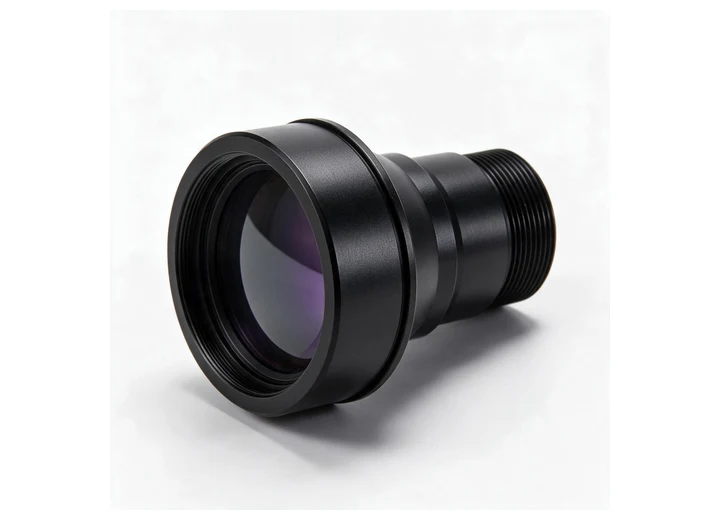
LWIR 8–12 μmF/1Athermalized
50 mm F/1 Athermalized LWIR Lens (KI605011)
Athermalized fixed-focal LWIR reference at 50 mm for 640 × 512 / 12 μm detector formats, 8.8° × 7° field of view.
- Focal length50 mm
- F/#1
- Working wavelength8–12 μm
- Detector reference640 × 512 / 12 μm
View full specifications
- Focal length
- 50 mm
- F/#
- 1
- Working wavelength
- 8–12 μm
- Detector reference
- 640 × 512 / 12 μm
- Field of view
- 8.8° × 7°
- Average transmission
- ≥90% HD reference
- Distortion
- 1.2%
- Front coating
- HD
- Focus
- Fixed (athermalized)
- Depth of field
- 40 m–∞
- Dimensions
- Φ58 mm × 47.51 mm
- Operating / storage
- −40 to +60 °C / −50 to +70 °C
- Sealing reference
- Front element IP67
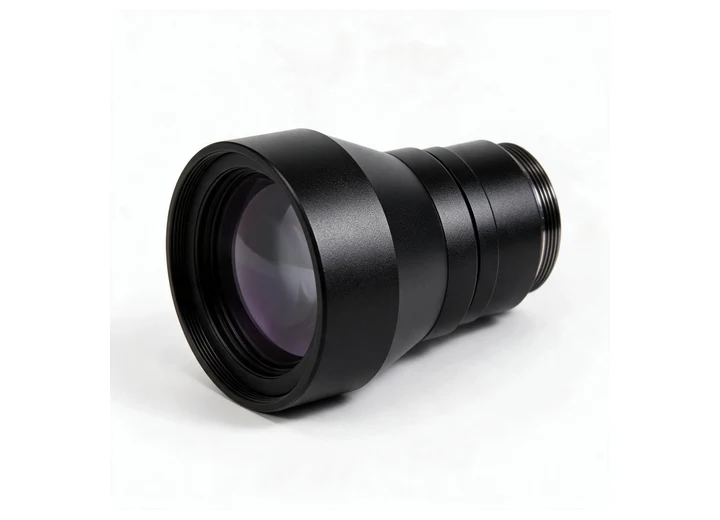
LWIR 8–12 μmF/1.2Athermalized
50 mm F/1.2 Athermalized LWIR Lens (KI605012)
Athermalized fixed-focal LWIR reference at 50 mm for 640 × 512 / 12 μm detector formats, 8.8° × 7° field of view.
- Focal length50 mm
- F/#1.2
- Working wavelength8–12 μm
- Detector reference640 × 512 / 12 μm
View full specifications
- Focal length
- 50 mm
- F/#
- 1.2
- Working wavelength
- 8–12 μm
- Detector reference
- 640 × 512 / 12 μm
- Field of view
- 8.8° × 7°
- Average transmission
- ≥86% DLC reference
- Distortion
- 1%
- Front coating
- DLC
- Focus
- Fixed (athermalized)
- Depth of field
- 40 m–∞
- Weight
- ≤105 g
- Dimensions
- Φ50 mm × 45 mm
- Operating / storage
- −40 to +60 °C / −50 to +70 °C
- Sealing reference
- Front element IP67
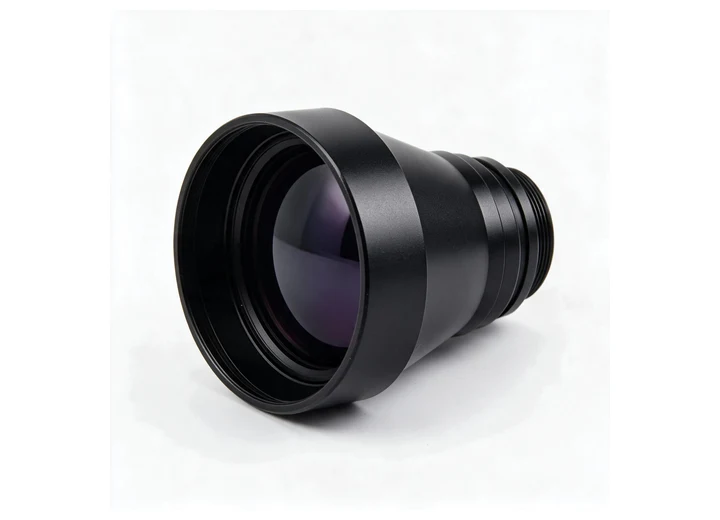
LWIR 8–12 μmF/1Athermalized
50 mm F/1 Athermalized LWIR Lens (KI605013)
Athermalized fixed-focal LWIR reference at 50 mm for 640 × 512 / 12 μm detector formats, 8.8° × 7° field of view.
- Focal length50 mm
- F/#1
- Working wavelength8–12 μm
- Detector reference640 × 512 / 12 μm
View full specifications
- Focal length
- 50 mm
- F/#
- 1
- Working wavelength
- 8–12 μm
- Detector reference
- 640 × 512 / 12 μm
- Field of view
- 8.8° × 7°
- Average transmission
- ≥90% HD reference
- Distortion
- 0.5%
- Front coating
- HD
- Focus
- Fixed (athermalized)
- Depth of field
- 50 m–∞
- Weight
- ≤116 g
- Dimensions
- Φ58 mm × 53.5 mm
- Operating / storage
- −40 to +60 °C / −50 to +70 °C
- Sealing reference
- Front element IP67
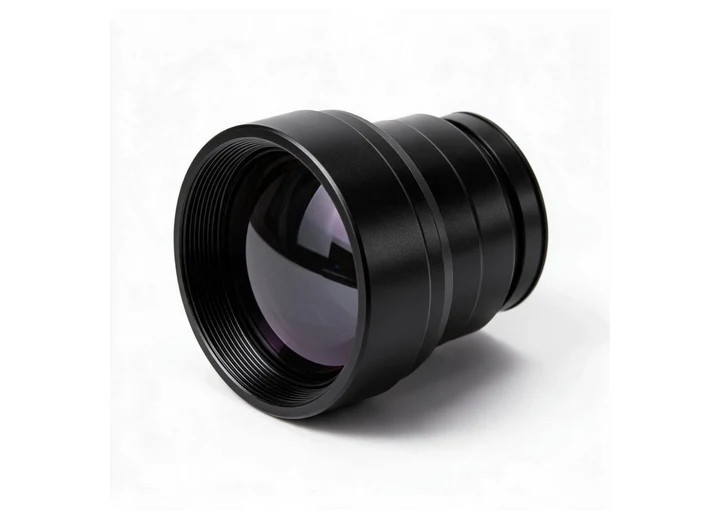
LWIR 8–12 μmF/1.1Athermalized
50 mm F/1.1 Athermalized LWIR Lens (KI605014)
Athermalized fixed-focal LWIR reference at 50 mm for 640 × 512 / 12 μm detector formats, 8.8° × 7° field of view.
- Focal length50 mm
- F/#1.1
- Working wavelength8–12 μm
- Detector reference640 × 512 / 12 μm
View full specifications
- Focal length
- 50 mm
- F/#
- 1.1
- Working wavelength
- 8–12 μm
- Detector reference
- 640 × 512 / 12 μm
- Field of view
- 8.8° × 7°
- Average transmission
- ≥86% DLC reference
- Distortion
- 2.05%
- Front coating
- DLC
- Focus
- Fixed (athermalized)
- Depth of field
- 40 m–∞
- Weight
- ≤120 g
- Dimensions
- Φ51 mm × 41.48 mm
- Operating / storage
- −40 to +60 °C / −50 to +70 °C
- Sealing reference
- Front element IP67
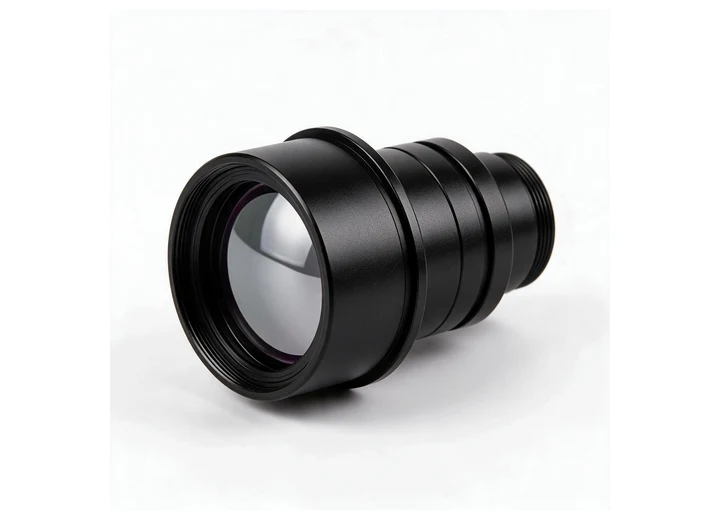
LWIR 8–12 μmF/1Athermalized
50 mm F/1 Athermalized LWIR Lens (KI805011)
Athermalized fixed-focal LWIR reference at 50 mm for 1280 × 1024 / 12 μm detector formats, 17.5° × 14° field of view.
- Focal length50 mm
- F/#1
- Working wavelength8–12 μm
- Detector reference1280 × 1024 / 12 μm
View full specifications
- Focal length
- 50 mm
- F/#
- 1
- Working wavelength
- 8–12 μm
- Detector reference
- 1280 × 1024 / 12 μm
- Field of view
- 17.5° × 14°
- Average transmission
- ≥90% HD reference
- Distortion
- 3%
- Front coating
- HD
- Focus
- Fixed (athermalized)
- Depth of field
- 40 m–∞
- Dimensions
- Φ60 mm × 47.46 mm
- Operating / storage
- −40 to +60 °C / −50 to +70 °C
- Sealing reference
- Front element IP67
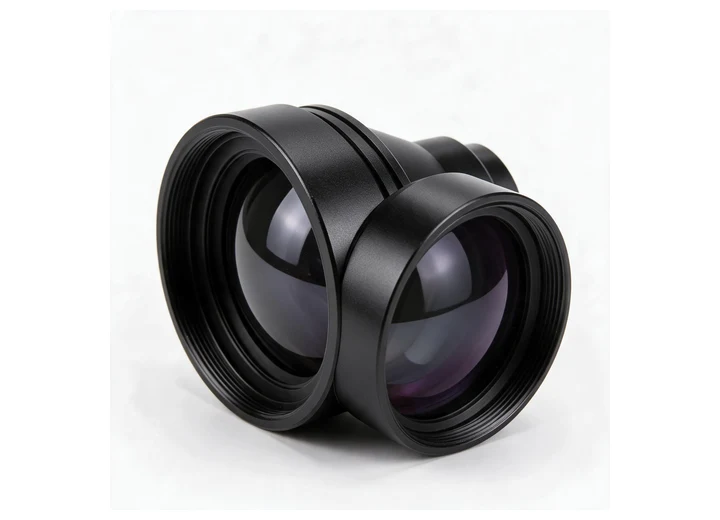
LWIR 8–12 μmF/1.1Athermalized
51.5 mm F/1.1 Athermalized LWIR Lens (KIA051501)
Athermalized fixed-focal LWIR reference at 51.5 mm for 640 × 512 / 12 μm detector formats, 8.8° × 7° field of view.
- Focal length51.5 mm
- F/#1.1
- Working wavelength8–12 μm
- Detector reference640 × 512 / 12 μm
View full specifications
- Focal length
- 51.5 mm
- F/#
- 1.1
- Working wavelength
- 8–12 μm
- Detector reference
- 640 × 512 / 12 μm
- Field of view
- 8.8° × 7°
- Average transmission
- ≥86% DLC reference
- Distortion
- −2.07%
- Front coating
- DLC
- Focus
- Fixed (athermalized)
- Depth of field
- 25 m–∞
- Weight
- ≤112 g
- Dimensions
- Φ51 mm × 42.7 mm
- Operating / storage
- −40 to +60 °C / −50 to +70 °C
- Sealing reference
- Front element IP67
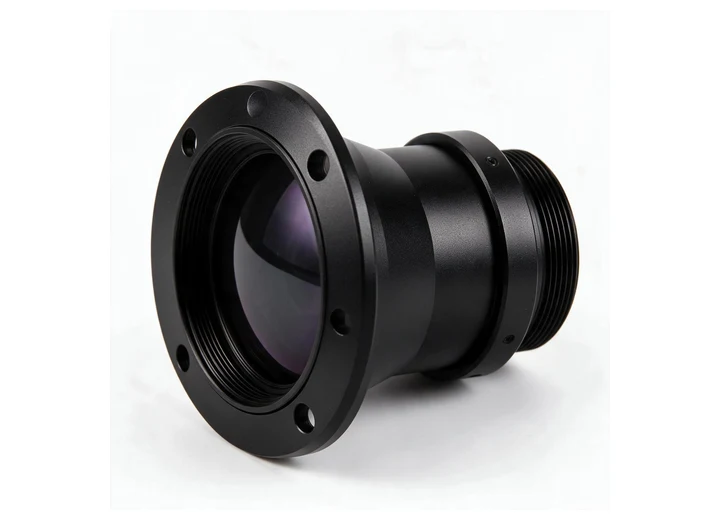
LWIR 8–12 μmF/1Athermalized
55 mm F/1 Athermalized LWIR Lens (KI805511)
Athermalized fixed-focal LWIR reference at 55 mm for 1280 × 1024 / 12 μm detector formats, 15.9° × 12.7° field of view.
- Focal length55 mm
- F/#1
- Working wavelength8–12 μm
- Detector reference1280 × 1024 / 12 μm
View full specifications
- Focal length
- 55 mm
- F/#
- 1
- Working wavelength
- 8–12 μm
- Detector reference
- 1280 × 1024 / 12 μm
- Field of view
- 15.9° × 12.7°
- Average transmission
- ≥91% AR reference
- Distortion
- 2%
- Front coating
- AR
- Focus
- Fixed (athermalized)
- Depth of field
- 90 m–∞
- Weight
- ≤345 g
- Dimensions
- Φ92.7 mm × 67.89 mm
- Operating / storage
- −40 to +60 °C / −50 to +70 °C
- Sealing reference
- Front element IP67
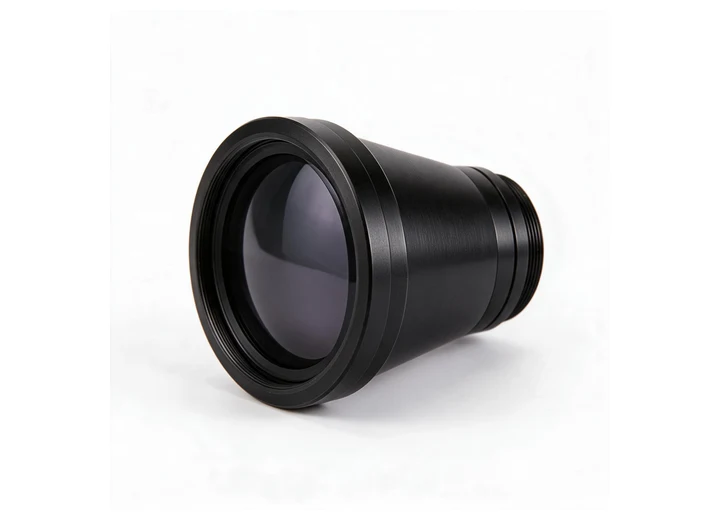
LWIR 8–12 μmF/1Athermalized
70 mm F/1 Athermalized LWIR Lens (KI807011)
Athermalized fixed-focal LWIR reference at 70 mm for 1280 × 1024 / 12 μm detector formats, 12.5° × 10° field of view.
- Focal length70 mm
- F/#1
- Working wavelength8–12 μm
- Detector reference1280 × 1024 / 12 μm
View full specifications
- Focal length
- 70 mm
- F/#
- 1
- Working wavelength
- 8–12 μm
- Detector reference
- 1280 × 1024 / 12 μm
- Field of view
- 12.5° × 10°
- Average transmission
- ≥86% DLC reference
- Distortion
- 0.15%
- Front coating
- DLC
- Focus
- Fixed (athermalized)
- Depth of field
- 70 m–∞
- Weight
- ≤340 g
- Dimensions
- Φ80 mm × 88.2 mm
- Operating / storage
- −40 to +60 °C / −50 to +70 °C
- Sealing reference
- Front element IP67
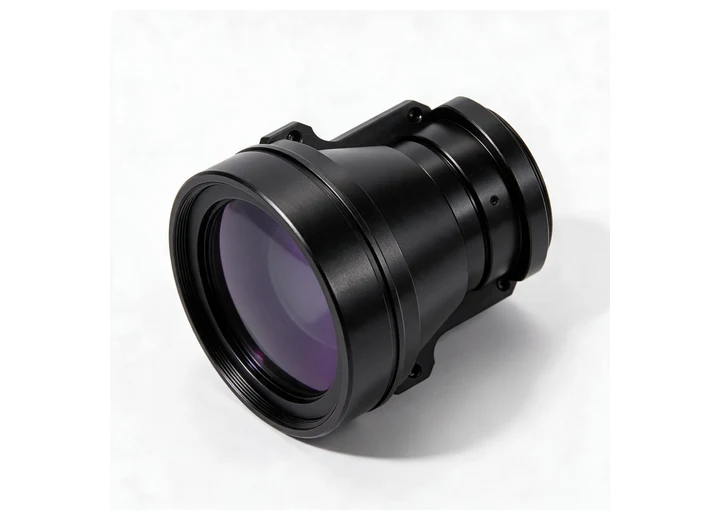
LWIR 8–12 μmF/1Athermalized
75 mm F/1 Athermalized LWIR Lens (KI607511)
Athermalized fixed-focal LWIR reference at 75 mm for 640 × 512 / 12 μm detector formats, 5.9° × 4.7° field of view.
- Focal length75 mm
- F/#1
- Working wavelength8–12 μm
- Detector reference640 × 512 / 12 μm
View full specifications
- Focal length
- 75 mm
- F/#
- 1
- Working wavelength
- 8–12 μm
- Detector reference
- 640 × 512 / 12 μm
- Field of view
- 5.9° × 4.7°
- Average transmission
- ≥88% HD reference
- Distortion
- 0.8%
- Front coating
- HD
- Focus
- Fixed (athermalized)
- Depth of field
- 80 m–∞
- Weight
- ≤410 g
- Dimensions
- Φ86 mm × 77.16 mm
- Operating / storage
- −40 to +60 °C / −50 to +70 °C
- Sealing reference
- Front element IP67
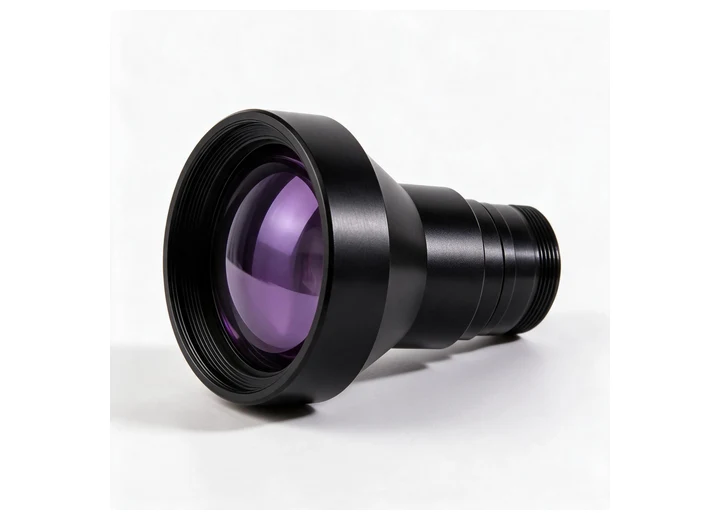
LWIR 8–12 μmF/1.2Athermalized
75 mm F/1.2 Athermalized LWIR Lens (KI607513)
Athermalized fixed-focal LWIR reference at 75 mm for 640 × 512 / 12 μm detector formats, 5.9° × 4.7° field of view.
- Focal length75 mm
- F/#1.2
- Working wavelength8–12 μm
- Detector reference640 × 512 / 12 μm
View full specifications
- Focal length
- 75 mm
- F/#
- 1.2
- Working wavelength
- 8–12 μm
- Detector reference
- 640 × 512 / 12 μm
- Field of view
- 5.9° × 4.7°
- Average transmission
- ≥90% HD reference
- Distortion
- −0.2%
- Front coating
- HD
- Focus
- Fixed (athermalized)
- Depth of field
- 70 m–∞
- Weight
- ≤230 g
- Dimensions
- Φ71 mm × 72 mm
- Operating / storage
- −40 to +60 °C / −50 to +70 °C
- Sealing reference
- Front element IP67
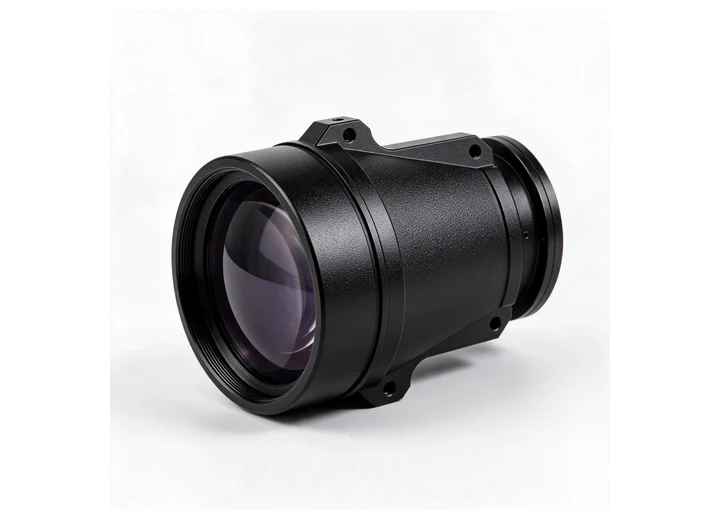
LWIR 8–12 μmF/1.3Athermalized
90 mm F/1.3 Athermalized LWIR Lens (KI809011)
Athermalized fixed-focal LWIR reference at 90 mm for 1280 × 1024 / 12 μm detector formats, 9.8° × 7.8° field of view.
- Focal length90 mm
- F/#1.3
- Working wavelength8–12 μm
- Detector reference1280 × 1024 / 12 μm
View full specifications
- Focal length
- 90 mm
- F/#
- 1.3
- Working wavelength
- 8–12 μm
- Detector reference
- 1280 × 1024 / 12 μm
- Field of view
- 9.8° × 7.8°
- Average transmission
- ≥86% DLC reference
- Distortion
- 2%
- Front coating
- DLC
- Focus
- Fixed (athermalized)
- Depth of field
- 100 m–∞
- Weight
- ≤400 g
- Dimensions
- Φ75 mm × 92.78 mm
- Operating / storage
- −40 to +60 °C / −50 to +70 °C
- Sealing reference
- Front element IP67
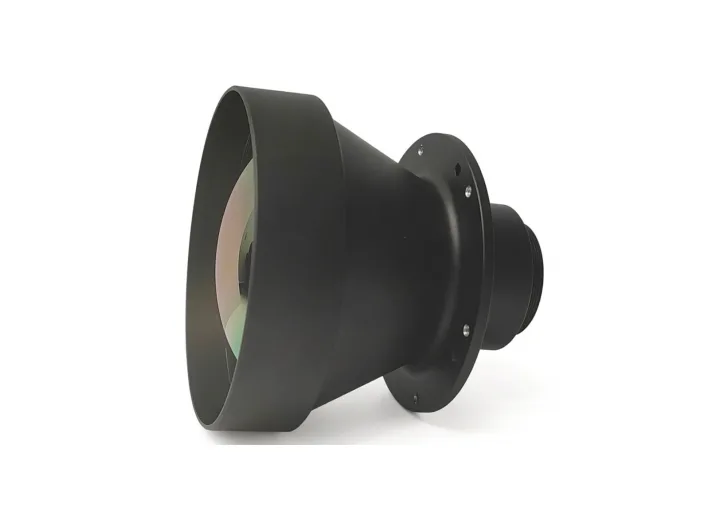
LWIR 8–12 μm1280 × 1024Athermalized
100 mm F/1.2 Athermalized LWIR Lens
Long-focal-length athermalized LWIR objective for a high-resolution 12 μm detector reference.
- Focal length100 mm
- F/#1.2
- Working wavelength8–12 μm
- Detector reference1280 × 1024 / 12 μm
View full specifications
- Focal length
- 100 mm
- F/#
- 1.2
- Working wavelength
- 8–12 μm
- Detector reference
- 1280 × 1024 / 12 μm
- Field of view
- 8.8° × 7°
- Average transmission
- ≥90% HD reference
- Distortion
- 1%
- Focus / depth of field
- Fixed, 150 m–∞
- Weight
- ≤410 g
- Dimensions
- Φ93 × 89 mm
- Coating reference
- AR / HD
- Environment
- −40 to +60 °C; front element IP67
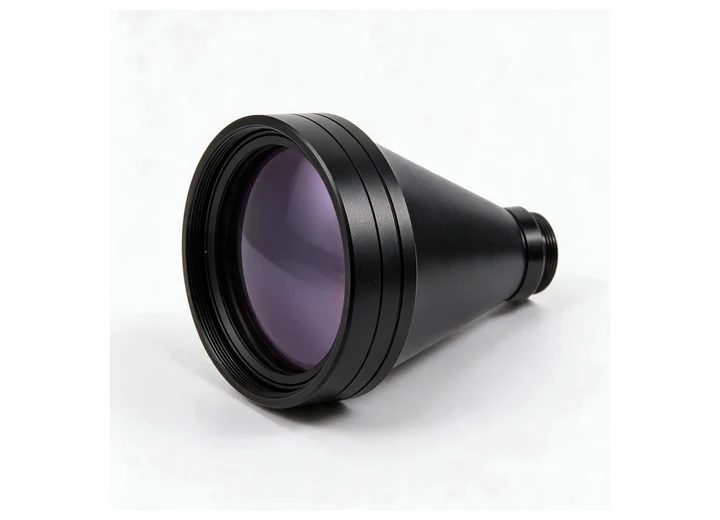
LWIR 8–12 μmF/1Athermalized
100 mm F/1 Athermalized LWIR Lens (KI610011)
Athermalized fixed-focal LWIR reference at 100 mm for 640 × 512 / 17 μm detector formats, 6.2° × 5° field of view.
- Focal length100 mm
- F/#1
- Working wavelength8–12 μm
- Detector reference640 × 512 / 17 μm
View full specifications
- Focal length
- 100 mm
- F/#
- 1
- Working wavelength
- 8–12 μm
- Detector reference
- 640 × 512 / 17 μm
- Field of view
- 6.2° × 5°
- Average transmission
- ≥87% DLC reference
- Distortion
- 0.2%
- Front coating
- DLC
- Focus
- Fixed (athermalized)
- Depth of field
- 120 m–∞
- Weight
- ≤936 g
- Dimensions
- Φ113.5 mm × 149.5 mm
- Operating / storage
- −40 to +60 °C / −50 to +70 °C
- Sealing reference
- Front element IP67
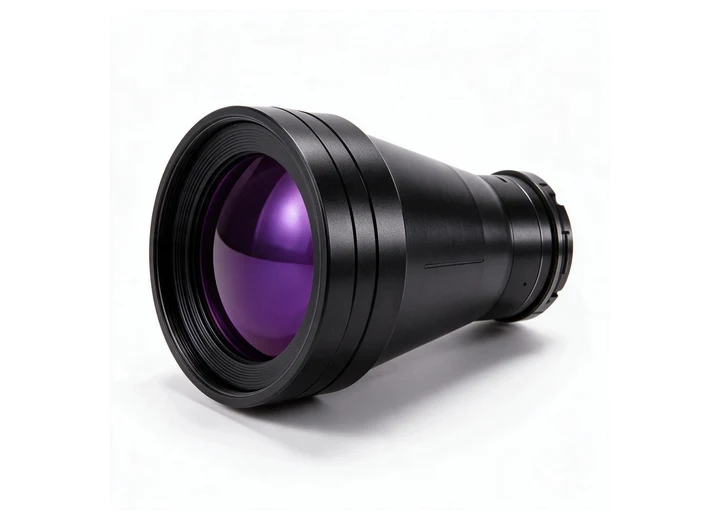
LWIR 8–12 μmF/1.2Athermalized
125 mm F/1.2 Athermalized LWIR Lens (KIA012501)
Athermalized fixed-focal LWIR reference at 125 mm for 1024 × 768 / 17 μm detector formats, 7.97° × 5.98° field of view.
- Focal length125 mm
- F/#1.2
- Working wavelength8–12 μm
- Detector reference1024 × 768 / 17 μm
View full specifications
- Focal length
- 125 mm
- F/#
- 1.2
- Working wavelength
- 8–12 μm
- Detector reference
- 1024 × 768 / 17 μm
- Field of view
- 7.97° × 5.98°
- Average transmission
- ≥86% DLC reference
- Distortion
- 0.3%
- Front coating
- DLC
- Focus
- Fixed (athermalized)
- Depth of field
- 200 m–∞
- Weight
- ≤1060 g
- Dimensions
- Φ119 mm × 155.5 mm
- Operating / storage
- −40 to +60 °C / −50 to +70 °C
- Sealing reference
- Front element IP67
Band selection
MWIR 3–5 μm or LWIR 8–12 μm — decide this before the focal length.
The band choice follows the detector technology and the scene, not a preference for one lens family. The table below summarises the practical differences that normally drive the decision.
| Consideration | MWIR 3–5 μm | LWIR 8–12 μm |
|---|---|---|
| Typical detector | Cooled photodetector array, commonly InSb, MCT or Type-II superlattice; requires cooling and often a cold shield or cold stop | Uncooled microbolometer array is the mainstream choice; cooled LWIR detectors are also available |
| System cost and complexity | Higher: cryocooler, vacuum Dewar, cold-shield interface and longer cool-down time | Lower: no cryocooler in uncooled systems, faster start-up, longer service life |
| Contrast behaviour | Strong against hot targets and in high-humidity or long-range conditions; useful when the scene has a large temperature difference | Strong in ambient-temperature scenes; well matched to most industrial, security and inspection tasks |
| F-number practice | F/4 to F/5.5 is common for cooled systems, where the aperture is matched to the cold shield | F/1.0 to F/1.2 is common, because an uncooled detector needs a fast aperture for sensitivity |
| Typical focal lengths | Long: 15–300 mm continuous zoom and 18–275 mm compact zoom in this catalog | Wide spread: 3 mm ultra-wide to 125 mm narrow-field, plus 25/50 mm dual-FOV |
| Common applications | Long-range surveillance, defence and aerospace payloads, gas and combustion imaging, research instrumentation | Security and perimeter thermal cameras, industrial thermography, predictive maintenance, UAV and handheld thermal imaging |
Rule of thumb: if the detector is an uncooled microbolometer, start from the LWIR route. If the detector is cooled and the program needs long-range performance or a specific cold-shield interface, start from the MWIR route. The final band, focal length and F-number must be confirmed against the detector datasheet.
Read the full preparation guide: MWIR vs LWIR Infrared Lenses — RFQ Guide.
Reference matrix
Focal length, field of view and instantaneous field of view
Field of view and detection range are set by the detector active area and the focal length together. Use the two tables below to sanity-check a configuration before requesting a quotation.
Horizontal field of view by focal length and detector reference
| Focal length | HFOV · 640 × 512 / 15 μm | HFOV · 1280 × 1024 / 12 μm | IFOV · 15 μm pixel |
|---|---|---|---|
| 3 mm | Wide panoramic coverage (3 mm athermalized reference) | — | 5.00 mrad |
| 15 mm | ≈ 35.5° | — | 1.00 mrad |
| 25 mm | ≈ 21.7° | ≈ 34.2° | 0.60 mrad |
| 50 mm | ≈ 11.0° | ≈ 17.5° | 0.30 mrad |
| 75 mm | ≈ 7.3° | ≈ 11.7° | 0.20 mrad |
| 100 mm | ≈ 5.5° | ≈ 8.8° | 0.15 mrad |
| 300 mm | ≈ 1.8° | — | 0.05 mrad |
HFOV = 2 · arctan(active width / (2 · focal length)); IFOV = pixel pitch / focal length. Values are geometric references for a 9.6 mm and 15.36 mm active width respectively and exclude distortion, atmospheric transmission and detector non-uniformity.
Detection range estimate from the Johnson criterion
| Focal length (15 μm pixel) | Detection · 2 pixels on target | Recognition · 8 pixels | Identification · 12.5 pixels |
|---|---|---|---|
| 25 mm | ≈ 1,500 m | ≈ 375 m | ≈ 240 m |
| 50 mm | ≈ 3,000 m | ≈ 750 m | ≈ 480 m |
| 75 mm | ≈ 4,500 m | ≈ 1,125 m | ≈ 720 m |
| 100 mm | ≈ 6,000 m | ≈ 1,500 m | ≈ 960 m |
| 300 mm | ≈ 18,000 m | ≈ 4,500 m | ≈ 2,880 m |
Estimates for a 1.8 m target using R = target size / (IFOV · required pixels). They are geometric references only: real performance also depends on the temperature difference between target and background, atmospheric transmission, humidity, rain or dust, detector NETD, lens transmission and image processing. Treat them as a screening tool, not a specification.
Reference policy: every numerical value on this page is an engineering reference. The signed quotation, approved drawing, sample and inspection plan define the delivered performance, coating, sealing, MOQ and lead time.
Selection inputs
Eight inputs before a useful infrared lens recommendation
01MWIR 3–5 μm or LWIR 8–12 μm
02Detector type, resolution and pixel pitch
03Focal length or required horizontal/vertical FOV
04F/# and cold-shield or cold-stop data where applicable
05Fixed, manual, motorized, dual-FOV or continuous zoom
06Working distance and required image-quality target
07Envelope, mount, mass, sealing and temperature range
08Prototype quantity, annual volume and test documents
Start from FOV, not focal length
Convert the required coverage into a horizontal field of view, then check which focal length and detector active area deliver it.
Start from the pixel budget
Decide how many pixels must sit across the target, then derive the focal length and confirm the resulting F-number and aperture size.
Start from the focus architecture
Choose between fixed athermalized, manual focus, dual-FOV and continuous zoom from the operator task and the allowable mechanism.
Start from sealing and temperature
Define ingress protection, purge or desiccant, shock, vibration and the full storage and operating temperature range.
Infrared materials and coatings
The material is chosen from the band, the environment and the cost target.
Infrared optics cannot use ordinary visible-glass materials. Transmission range, thermal behaviour, hardness and cost all differ, so material selection is part of the optical design rather than an afterthought.
| Material | Useful band | Typical role | Points to confirm |
|---|---|---|---|
| Germanium (Ge) | ≈ 2–14 μm | Very common for LWIR objectives and MWIR elements; high refractive index allows compact curvature | Strong thermal dn/dT, transmission falls at higher temperatures, density and cost; usually combined with athermalization |
| Silicon (Si) | ≈ 1.2–7 μm | MWIR elements and infrared windows; lower density than germanium | Absorption in the LWIR; check band edge against the required transmission |
| Chalcogenide glass | ≈ 1–14 μm (grade dependent) | Moulded or polished LWIR and MWIR lenses, including aspheric and diffractive surfaces | Grade-specific transmission, thermal behaviour and moulding limits; identify the exact glass type on the drawing |
| Zinc selenide (ZnSe) / zinc sulfide (ZnS) | ≈ 0.6–14 μm / 0.4–12 μm | Broadband windows and lenses, CO₂ laser optics, multi-spectral systems | Lower refractive index means thicker curvature; check hardness, coating adhesion and cost |
| AMTIR and similar glasses | ≈ 1–14 μm | Chromatic correction and athermalized designs where a glass pair is needed | Confirm the exact grade, melt data and thermal coefficients used in the design |
Coatings for infrared bands
An uncoated infrared surface reflects a significant part of the incident energy, so broadband anti-reflection coating is normal practice. Coatings are specified by band and durability, not by name alone.
- BBAR coating for MWIR 3–5 μm
- BBAR coating for LWIR 8–12 μm
- Broadband coating covering both bands for multi-spectral systems
- Diamond-like carbon (DLC) or hard carbon outer coating for exposed front surfaces
- High-reflection and beam-splitter coatings where the design requires them
Coating options are reviewed together with the optical coatings product family so that transmission, durability and environmental test requirements stay consistent.
Athermalization and sealing
Infrared materials change refractive index and the housing changes dimension as temperature moves. A passively athermalized objective compensates mechanically so that focus stays stable across the operating range, normally without a user adjustment.
A typical infrared assembly specification states:
- Operating and storage temperature range, for example −40 °C to +70 °C
- Passive athermalization with focus shift stated as a limit
- Ingress protection, nitrogen purge or desiccant, and sealing method
- Shock and vibration requirement for the intended platform
- Front-surface coating and cleaning or wipe resistance
Important: athermalization performance is a design and test result, not a catalogue label. Ask for the focus-shift data or the acceptance criterion that will be used on the approved sample.
Applications
Where MWIR and LWIR lenses are specified
Security and perimeter protection
Continuous 24-hour detection in darkness, fog, smoke and light foliage, where visible and near-infrared cameras lose contrast.
Industrial thermography
Temperature measurement and condition monitoring of electrical cabinets, bearings, process equipment and refractory linings.
Predictive maintenance
Fixed thermal cameras and handheld inspection instruments that need a stable, athermalized field of view over a long service life.
UAV and airborne payloads
Compact LWIR objectives and motorized MWIR zoom assemblies where mass, envelope and gimbal balance are constrained.
Gas and combustion imaging
Narrow-band MWIR configurations for leak detection and flame or process monitoring, where the spectral filter is part of the design.
Medical and scientific instruments
LWIR and MWIR objectives used in thermography, spectroscopy and research instrumentation with defined test documentation.
Testing and documentation
Define how the infrared assembly will be measured and accepted.
Test names alone are not enough. State the specimen, band, temperature, sample quantity and the pass or fail criterion.
Optical performance
Effective focal length, F-number, transmission over the specified band, modulation transfer function or image-quality target, distortion, back focal distance and focus stability.
Geometrical and mechanical
Element dimensions and centration, surface figure and surface quality, air gaps, mount interface and thread, flange distance, mass and envelope.
Environmental
High and low temperature storage and operation, temperature cycling, thermal shock, humidity or damp heat, vibration, shock and sealing or purge verification.
Release documents
Approved drawing, controlled datasheet, sample inspection report, coating data, batch traceability, packaging specification and any applicable material or compliance declarations.
Compliance policy: export-control classification, material declarations and certification claims are published only when valid documentation and the applicable product scope are available. Buyers are responsible for confirming the import and end-use requirements of the destination market.
Buyer questions
Infrared lens FAQ
What is the difference between an MWIR lens and an LWIR lens?
An MWIR lens works in the 3–5 μm band and is normally matched to a cooled detector with a cold shield. An LWIR lens works in the 8–12 μm band and is most often matched to an uncooled microbolometer. The band, detector type, F-number practice and typical focal-length range all follow from that choice.
Which lens should I choose for an uncooled 640 × 512 / 12 μm detector?
Start from the LWIR 8–12 μm family. Convert the required coverage into a horizontal field of view, then select the focal length from the detector active area. That array is 7.68 mm wide, so a 15 mm objective gives roughly 28.7° horizontal field, 25 mm gives roughly 17.5°, 50 mm gives roughly 8.8° and 100 mm gives roughly 4.4°. Confirm the exact value against the detector datasheet and the final optical design.
What does athermalized mean on an infrared lens?
The refractive index of infrared materials and the dimensions of the housing both change with temperature. A passively athermalized objective compensates mechanically so that focus stays stable over the operating range without user adjustment. Ask for the stated focus-shift limit or the acceptance test on the approved sample.
Can you supply a dual-FOV or continuous-zoom infrared lens?
Yes. The reference range includes a 25/50 mm dual-FOV LWIR assembly and two motorized MWIR continuous-zoom assemblies, 15–300 mm and 18–275 mm. Dual-FOV suits two discrete viewing tasks; continuous zoom suits operators who need to move smoothly between them.
What infrared materials and coatings are used?
Common materials include germanium, silicon, chalcogenide glass, zinc selenide and zinc sulfide, selected by band, environment and cost. Broadband anti-reflection coating for the working band is normal practice, with diamond-like carbon or hard carbon on exposed front surfaces for harsh environments.
What information do I need to send for an infrared lens quotation?
Send the detector type, resolution and pixel pitch; the spectral band; the required focal length or field of view; the F-number and any cold-shield data; the focus architecture; the working distance; the envelope, mount, mass and temperature range; and the prototype and annual quantity. Attach the detector datasheet where possible.
Do you support cooled MWIR detectors with cold-stop or cold-shield requirements?
Yes. The cold-shield geometry is part of the optical interface, so send the cold-stop diameter, its distance from the detector plane and the dewar drawing. These values are confirmed together with the focal length, F-number and back focal distance before the quotation is issued.
Can buyers visit or audit the infrared optics factory?
Yes, for qualified B2B projects and by appointment. We confirm the product route, the selected facility, the visit scope, the equipment and processes to be reviewed, the records requested and the attendees before scheduling. TUOLAN TRADE coordinates sourcing; manufacturing is performed by the selected and approved production facility.
Infrared RFQ checklist
Eight inputs for a useful first review
01MWIR 3–5 μm or LWIR 8–12 μm
02Detector resolution and pixel pitch
03Focal length or horizontal/vertical FOV
04F/# and cold-shield data if applicable
05Fixed, manual, motorized or continuous zoom
06Working distance and image-quality target
07Envelope, mount, mass and temperature
08Prototype, volume and test documents
Factory visits and supplier audits by appointment.
For qualified B2B projects, the selected production or integration facility may be visited after the scope, supplier and required documents are confirmed.
Reference policy: Numerical values shown are engineering references. The final quotation, drawing and sample approval define performance, coating, sealing, MOQ and delivery.
Infrared-optics contactsales@tuolango.com
Attach the detector datasheet and describe the target scene, range, FOV and environment.
Start with the band, detector and field of view.
We will narrow the focus architecture and reference configuration from there.