
Insights
Leica’s AI Particle-Counting Guide Highlights the Optics Behind Reliable Inspection
OPTICS · INDUSTRY ANALYSIS
Leica’s latest application guide connects AI-assisted particle counting to a familiar buying problem: choosing an imaging setup that can resolve the contamination the process actually needs to detect.
What the application guide covers
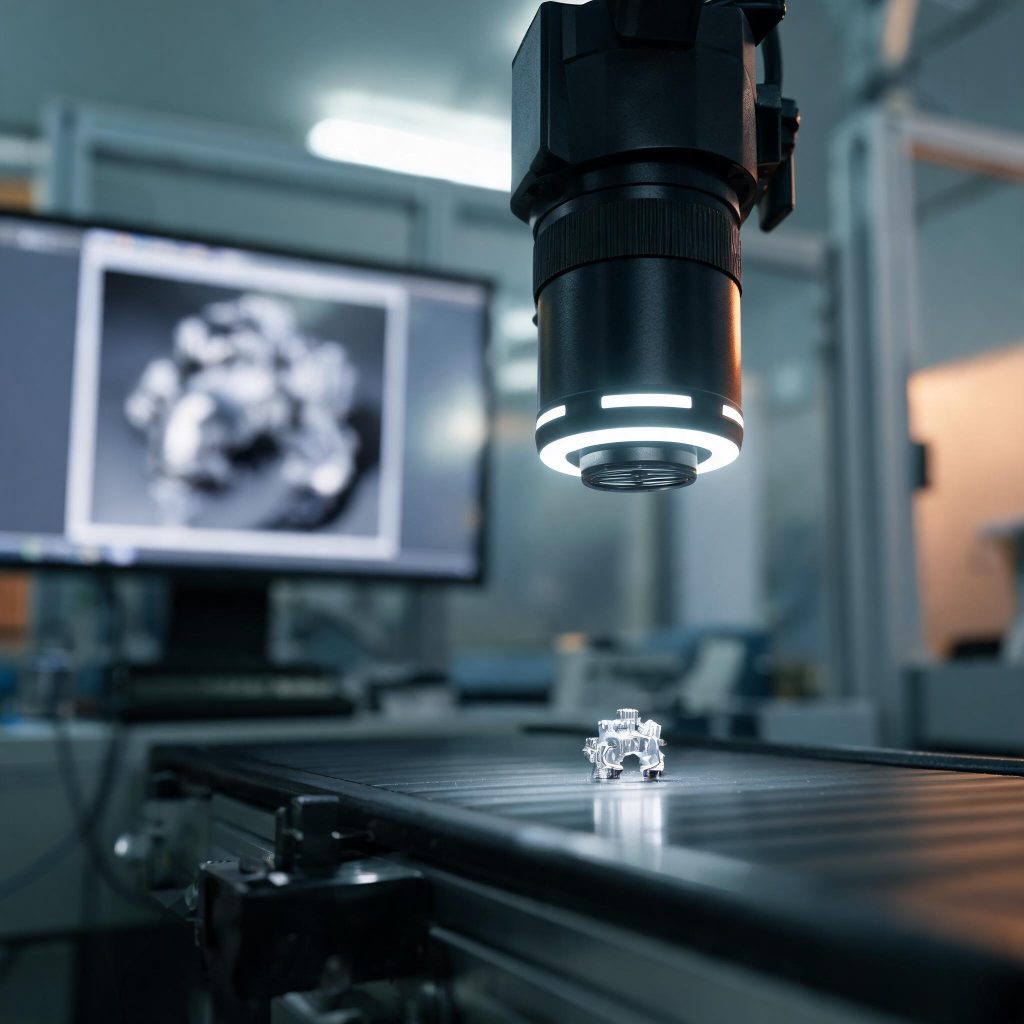
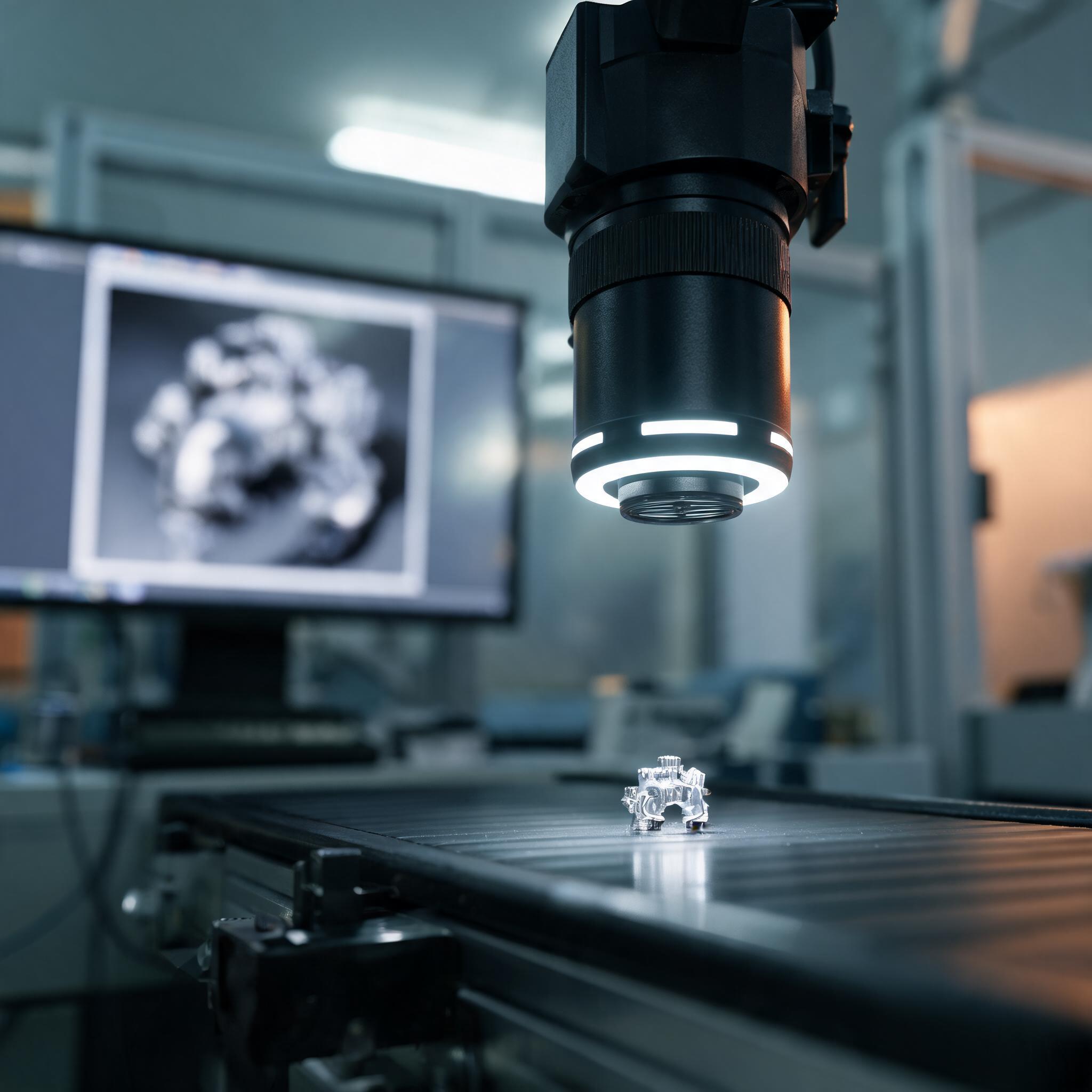
In a technical article dated 7 October 2026, Leica Microsystems describes using Aivaro AI Feature Detection with its Enersight platform to identify and measure particles and fibers in microscope images. The workflow distinguishes reflective particles, non-reflective particles and fibers, and uses labeled examples to adapt the analysis.
The guide presents the Emspira 3 for routine screening of larger particles and the Visoria M for smaller features or more demanding measurement. It is an application guide, not an announcement that every objective or AI model meets the same detection limit.
Specify the optical acceptance test before the algorithm
An optical inspection system should be selected around the smallest relevant feature, sample contrast, working distance and measurement method. Increasing nominal magnification does not by itself prove that the required contamination can be detected repeatedly.
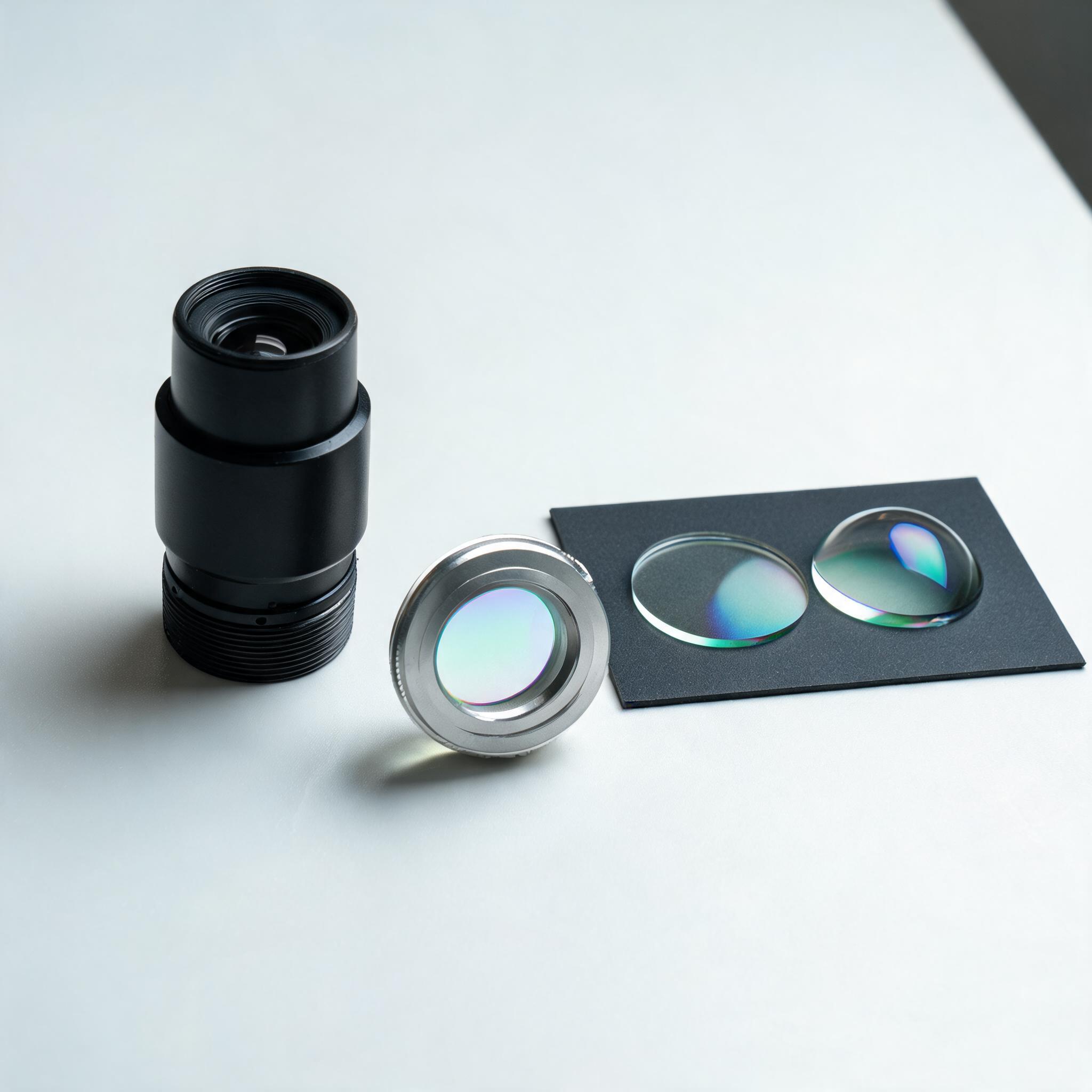
When reviewing custom optical windows or optical coatings within an inspection assembly, agree how surface contamination, reflections and transmission will be assessed. A particle-counting workflow for a sample is different from a finished optic’s specified surface-quality acceptance test; do not silently substitute one for the other.
TUOLAN’s component catalog supports project-specific optical sourcing. It does not establish Leica-system compatibility, authorize use of Leica software or claim that TUOLAN supplies the microscopes discussed here.
Buyer RFQ checklist
- Define feature size, sample type and required measurement uncertainty.
- Fix the illumination, focus procedure and sample preparation method.
- Validate detection on representative clean and contaminated samples.
- Separate microscope screening from the optic’s drawing and inspection specification.
Review your project specification
Send the application, drawing or interface requirements, target quantity and market to TUOLAN TRADE or sales@tuolango.com.
Sources
Official company source, 7 October 2026. Checked on 9 October 2026. Buyer recommendations are TUOLAN’s analysis, separate from the source announcement.
Edited and analysed by TUOLAN TRADE.