
Insights
Wedged Optical Windows: Separate Beam Steering from Transmitted Wavefront Acceptance
OPTICS · TECHNICAL INSIGHT
A wedged optical window needs both an orientation requirement and an optical acceptance test. Surface flatness, the angle between its faces and the transmitted wavefront describe different properties; one result should not silently stand in for another.
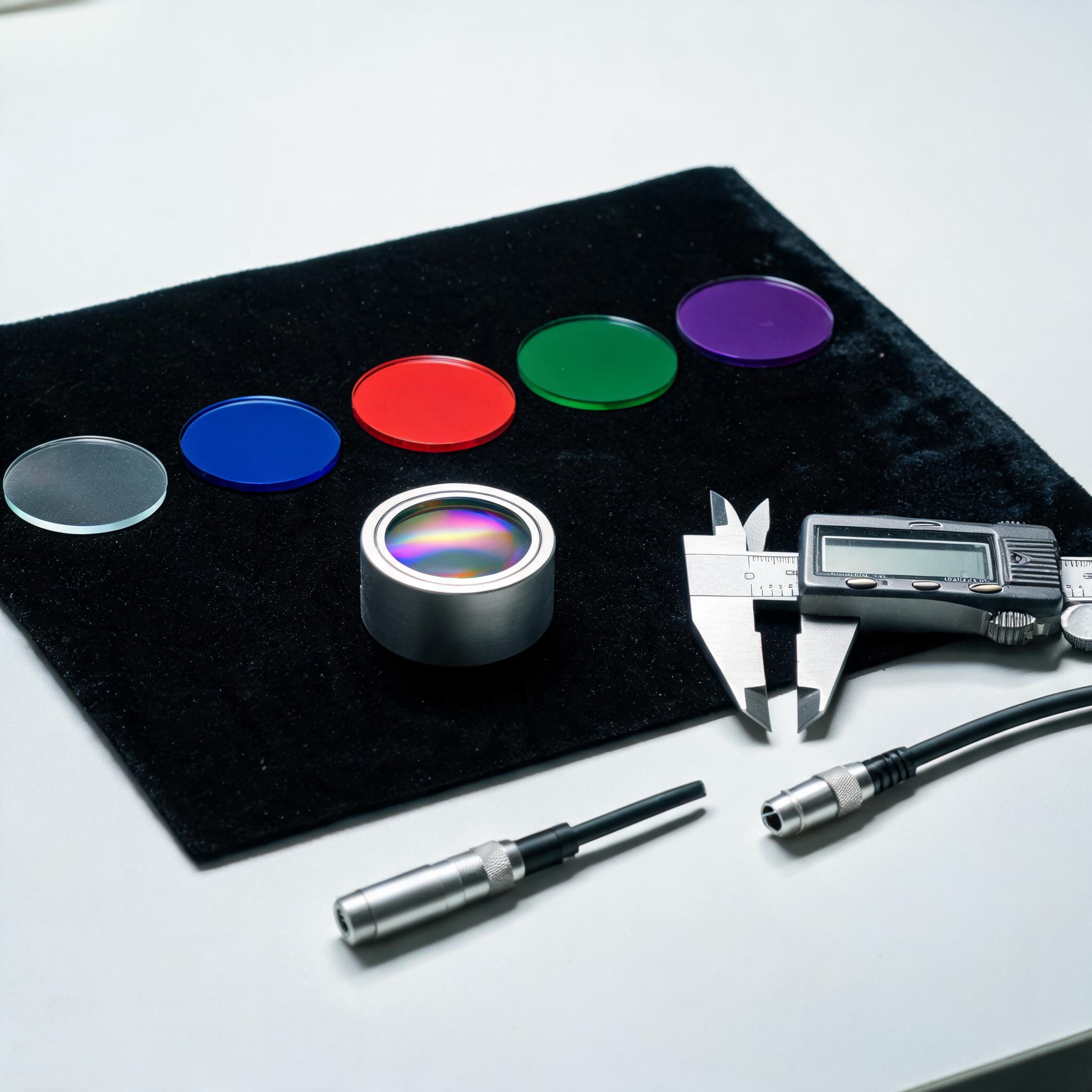
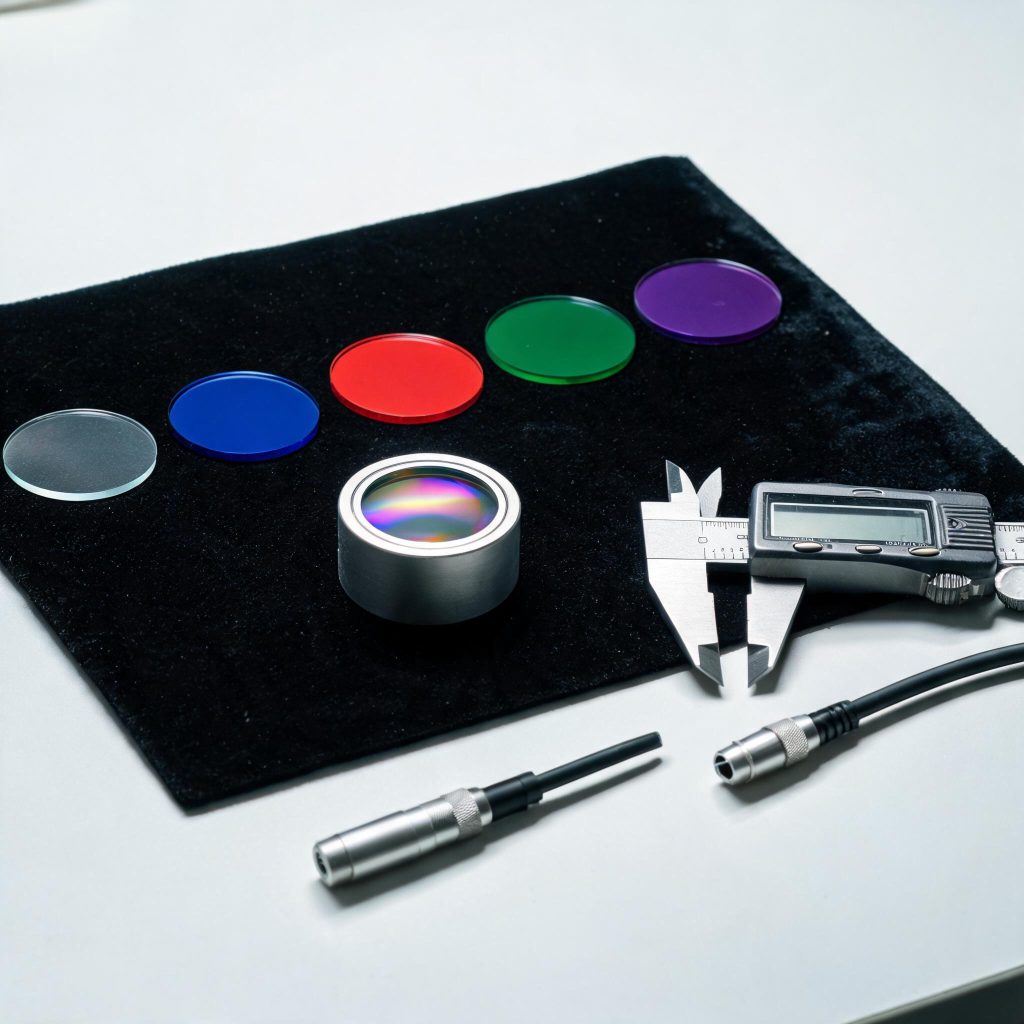
Technical basis: three separate drawing requirements
Precision Optical’s window and mirror page lists surface flatness, transmitted wavefront and parallelism or wedge as distinct specification categories. Its published ranges are supplier examples, not TUOLAN production commitments.
This article is an original technical procurement analysis. The reference does not state a publication date, and no new window product launch is claimed.
Control how the window enters the beam path
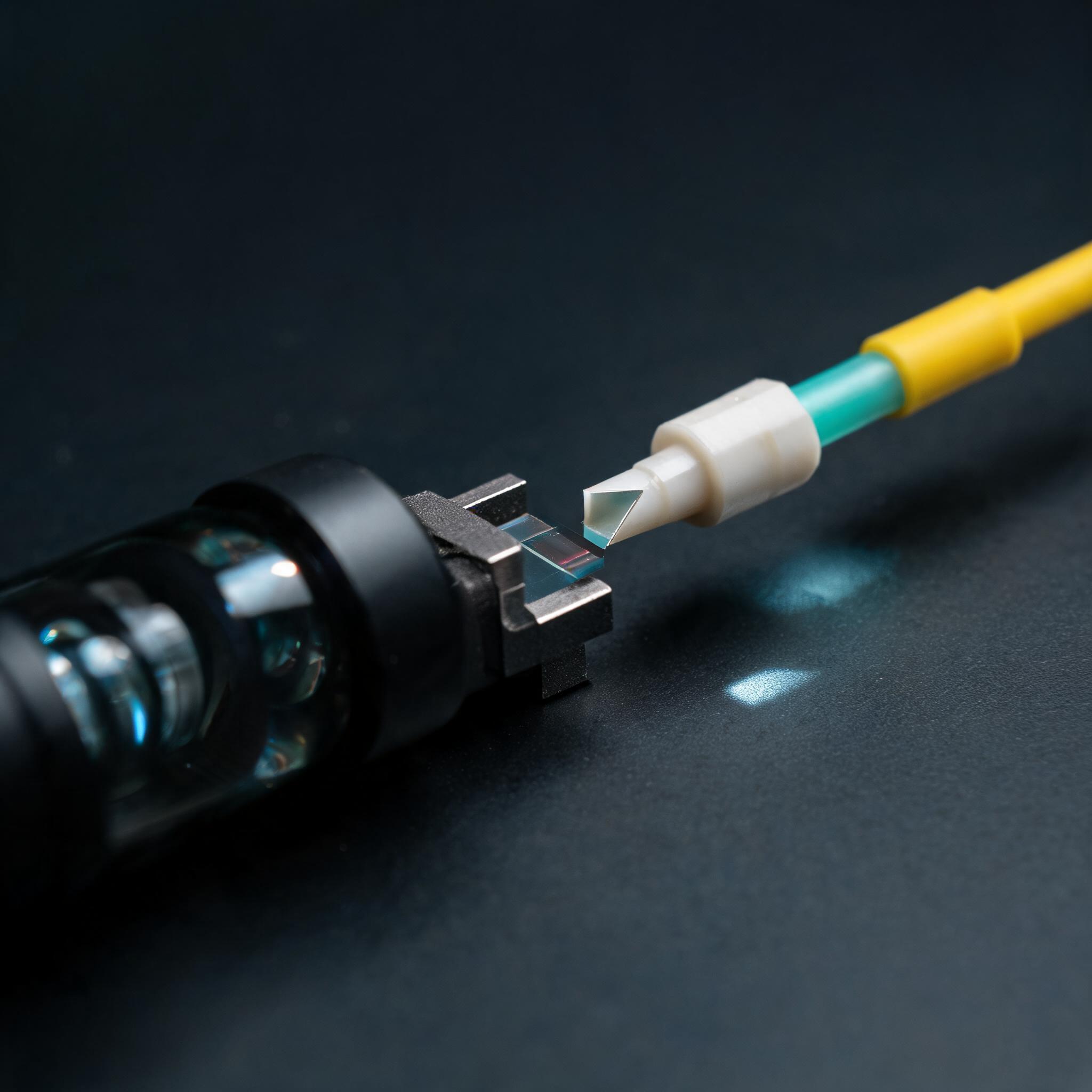
For custom optical windows, define the wedge magnitude and how its direction is identified on the part or carrier. Include the operating wavelength and installation angle. Ask the optical designer to confirm the allowed downstream beam displacement for the intended geometry.
Where a design uses wedge to manage reflected light or interference, verify that the unwanted light follows an acceptable path in the actual instrument. Wedge selection alone does not prove that all reflections are harmless or that an optical-feedback problem has been solved.
Measure the transmitted path, not only the surfaces
Agree the illuminated aperture, test wavelength, mounting condition and wavefront reporting convention before sample inspection. Define whether the result describes the loose component or the window clamped into its production holder. Ask which fitted terms are removed from the reported result.
Keep the surface inspection record separate. A clean surface and an acceptable surface-flatness result do not by themselves document every contribution to the transmitted wavefront.
Include coatings and traceability
Review window coating requirements against the installed incidence angle and both faces. Retain part orientation, material identity and the final test record with the sample approval. The decision should state whether the assembly meets the intended beam-path and wavefront budget, rather than merely saying that the window passed inspection.
Buyer RFQ checklist
- Specify wedge direction and part-orientation marking.
- Agree aperture, wavelength, mounting and wavefront reporting conventions.
- Check beam displacement and reflections in the actual instrument layout.
Review your project specification
Send the application, drawing or interface requirements, target quantity and market to TUOLAN TRADE or sales@tuolango.com.
Sources
Official company source, Technical reference, publication date not stated; reviewed 13 October 2026. Checked on 13 October 2026. Buyer recommendations are TUOLAN’s analysis, separate from the source announcement.
Edited and analysed by TUOLAN TRADE.