
Insights
Credo’s SRMO Workstream: Optical Interface Readiness Before a Standard Is Final

OPTICS · TECHNICAL INSIGHT
Credo’s new short-reach micro-emitter optics workstream is a standards-development announcement. Buyers should ask which optical and mechanical interfaces are already documented, which are provisional and what evidence supports interoperability today.

What the announcement establishes
On 12 October 2026, Credo announced the Short-Reach Micro-Emitter Optics (SRMO) Workstream within the Open Compute Project community. The effort targets wide, parallel optical interconnects and brings together connectivity and optical-technology participants.
The release lists link budget, signaling, parallelism and physical form factors among the intended specification topics, with OCP approval targeted for 2027. This is a development target, not proof that a final standard or universal component compatibility already exists.
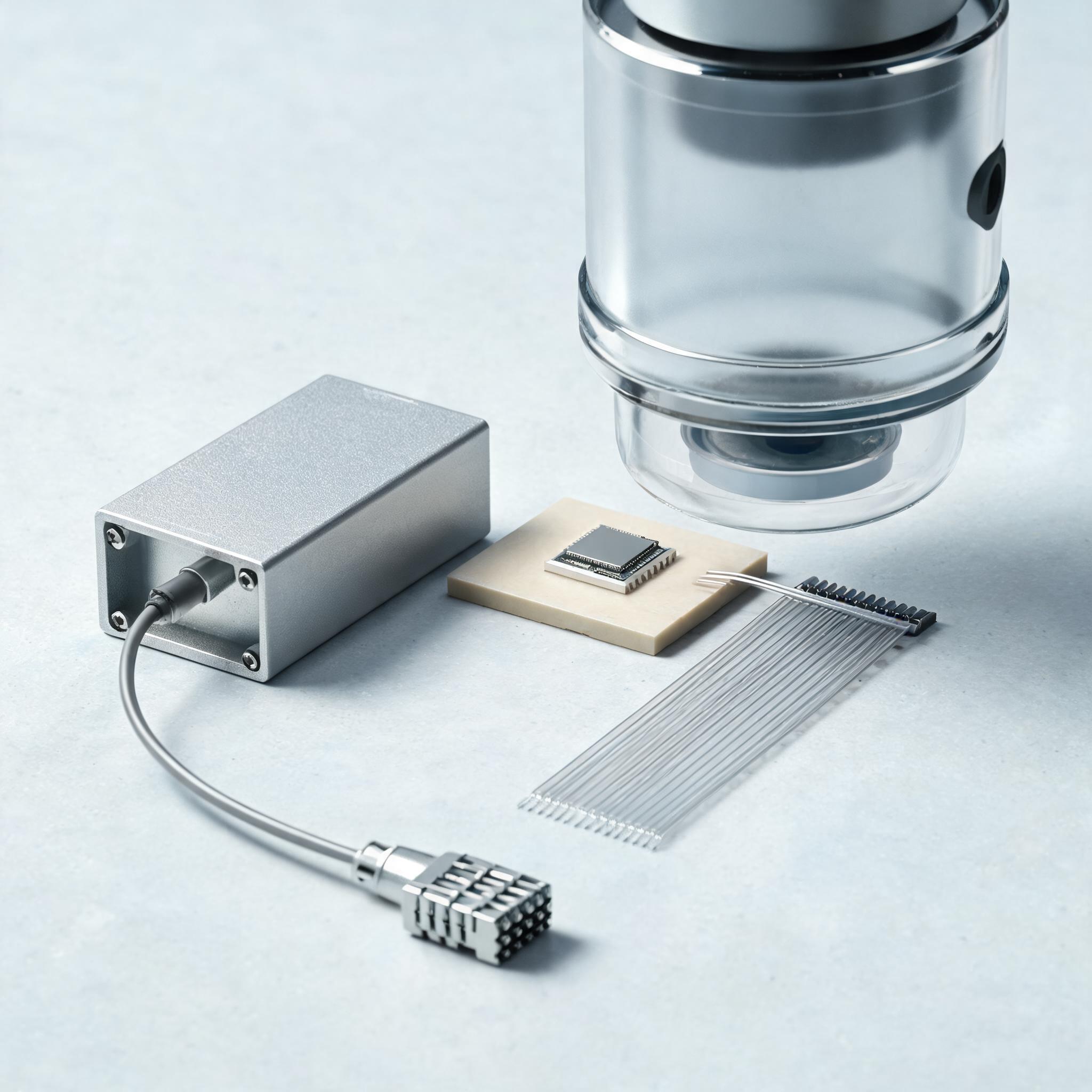
Separate an interface proposal from an accepted component
For custom optical component projects, identify the source, receiver, optical path and mechanical reference used in an evaluation. Ask which interface dimensions and optical acceptance limits are frozen for that particular sample.
Record alignment, coupling and inspection requirements in a controlled drawing. A proposed standard can guide development, but a supplier quote should still identify the actual interface revision and the tests needed to accept it.
Keep the link budget traceable
Request a project-specific budget that separates source output, optical coupling, connector losses and receiver assumptions. Where arrays or repeated channels are involved, define the acceptance population and how channel-to-channel variation is reported. Do not replace those records with a single architecture-level efficiency statement.
State the catalog boundary clearly
TUOLAN’s fiber connectivity sourcing is a separate catalog starting point. This article does not establish SRMO compliance, supply of Credo hardware or compatibility of standard cables with the developing interface.
The practical buying decision is whether a documented sample interface can be evaluated against agreed requirements now. Record any dependency on a future specification separately from the evidence that supports the present design.
Buyer RFQ checklist
- Separate frozen sample interfaces from proposed future-standard requirements.
- Track source, coupling, connector and receiver assumptions individually.
- Identify test revision and channel-level acceptance evidence.
Review your project specification
Send the application, drawing or interface requirements, target quantity and market to TUOLAN TRADE or sales@tuolango.com.
Sources
Official company source, 12 October 2026. Checked on 17 October 2026. Buyer recommendations are TUOLAN’s analysis, separate from the source announcement.
Edited and analysed by TUOLAN TRADE.