
Insights
Optical Cleaning Qualification: Approve a Material-Specific Method Before Production
OPTICS · TECHNICAL INSIGHT
An optical cleaning method should be approved for the actual substrate, coating and assembly materials. A cleaner that works on one loose glass optic should not automatically be used on a bonded, polymer-coated or mechanically assembled component.
Use the supplier guidance for the actual optic
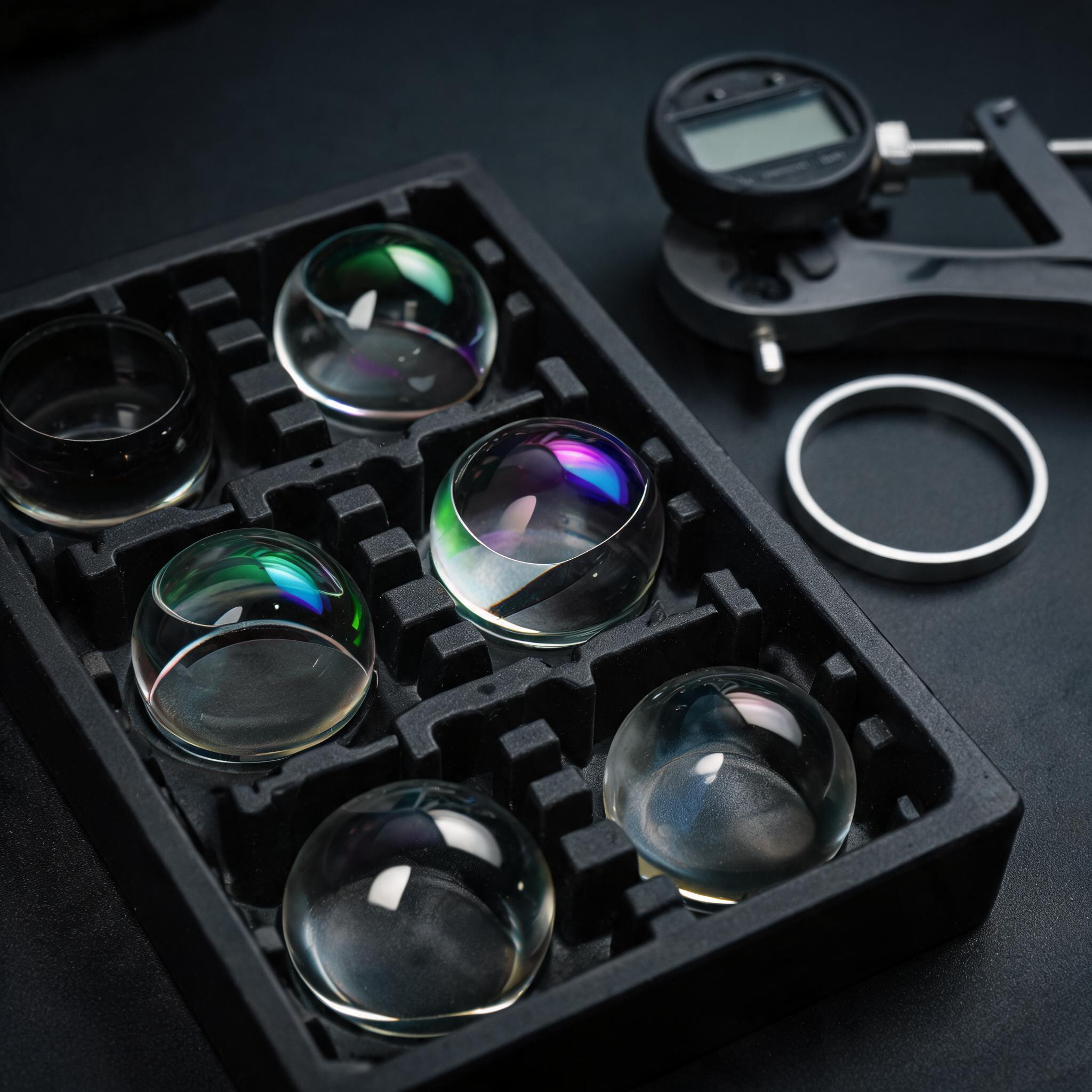
Edmund Optics’s cleaning guidance distinguishes several optical materials and constructions. It recommends careful handling and gives special restrictions for delicate components such as gratings. This supports a component-specific approach rather than one universal solvent procedure.
This is an original TUOLAN technical insight, not a new product release. The source explains optical principles; the procurement and test recommendations below are TUOLAN’s analysis.
Ask what the delivered assembly can tolerate
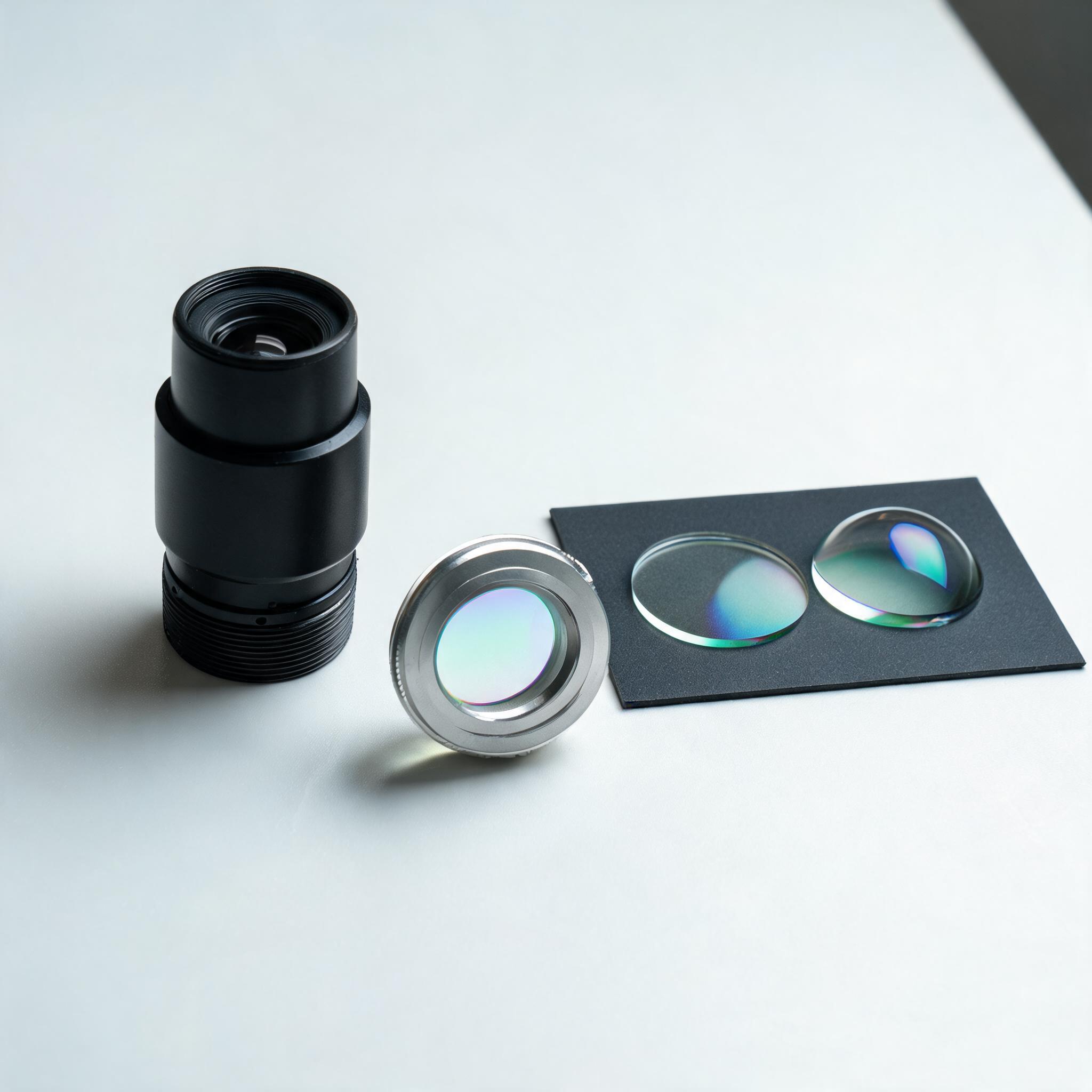
For optical window procurement, request written cleaning guidance identifying the substrate, coated faces and any assembly features. Include approved materials, the method and any restrictions. Where compatibility is unconfirmed, obtain supplier review before trialling a process.
Keep a loose-component instruction separate from the instruction for a mounted or bonded part. Cleaning liquid, residue or mechanical contact may affect more than the exposed optical surface.
Qualify on representative samples
Define the condition to be removed and the before-and-after inspection. Use an approved sample and record the cleaning materials and procedure revision. Check for residue, staining and functional changes relevant to the application; a surface that looks cleaner is not the only release criterion.
For coated optical components, ask the supplier which evidence supports the selected cleaning method. Do not invent a universal solvent compatibility claim or extrapolate from an unrelated coating.
Prevent the next contamination event
Agree handling, individual protection and packaging after cleaning, then identify who is permitted to reopen the package. Keep the approved cleaning state linked to the inspection record so repeated handling does not quietly invalidate sample acceptance.
TUOLAN’s role is to coordinate project requirements and supplier guidance. A production process should be released only when its materials, method and inspection evidence refer to the actual component being delivered.
Buyer RFQ checklist
- Obtain substrate-, coating- and assembly-specific instructions.
- Qualify the method on representative approved samples.
- Link cleaning revision, inspection state and protective packaging.
Review your project specification
Send the application, drawing or interface requirements, target quantity and market to TUOLAN TRADE or sales@tuolango.com.
Sources
Official company source, Technical reference; publication date not stated. Reviewed 17 October 2026. Checked on 17 October 2026. Buyer recommendations are TUOLAN’s analysis, separate from the source announcement.
Edited and analysed by TUOLAN TRADE.