
Insights
An Optical Roughness Number Needs Its Measurement Bandwidth
TECHNICAL ANALYSIS
Two surface-roughness values are not necessarily comparable if their measurement bandwidths differ. Ask what surface scales each test includes before deciding that one polished optic is smoother than another.

The reported value depends on what was measured
ZYGO’s optical fabrication reference describes superpolishing performance over a stated range of spatial periods. That illustrates why a roughness claim needs a measurement range. This undated technical source is not a new product release, and its manufacturing capabilities are not TUOLAN capability claims.
Keep processing choices attached to the result
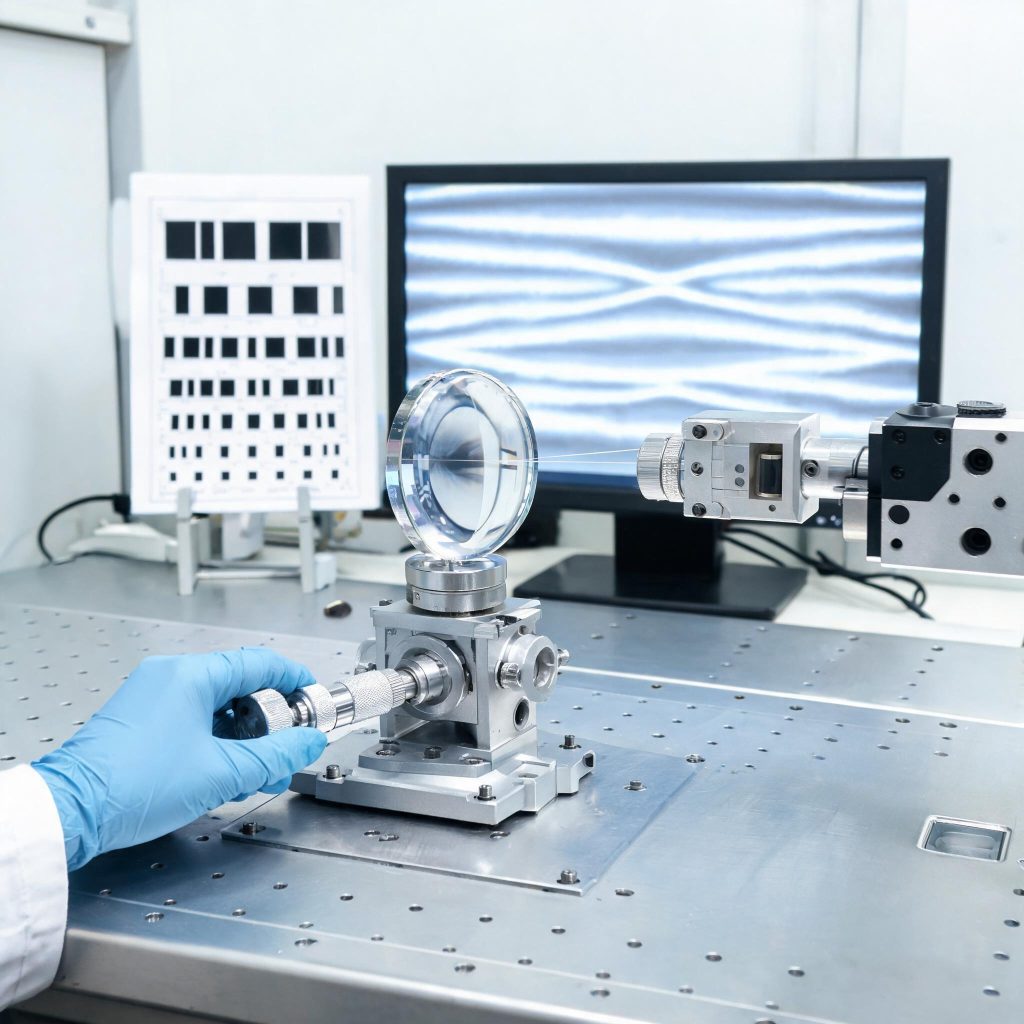
During a TUOLAN drawing review, the first question is how the proposed report supports the application. Ask for the sampled area, instrument configuration, lateral sampling and processing filters. A report from a small patch should identify its location and should not silently stand for the whole optic. If several locations are required, agree them before production instead of selecting only favourable areas afterwards.
For curved surfaces, removing the nominal shape is part of obtaining a texture result, but the removal method should be documented. Likewise, smoothing or filtering can change the range of surface structure retained in the calculation. Keep the raw height map where available and state the reported parameter. A line-profile result and an areal result should not be treated as interchangeable merely because both carry a roughness label.
Use a matched test before changing suppliers
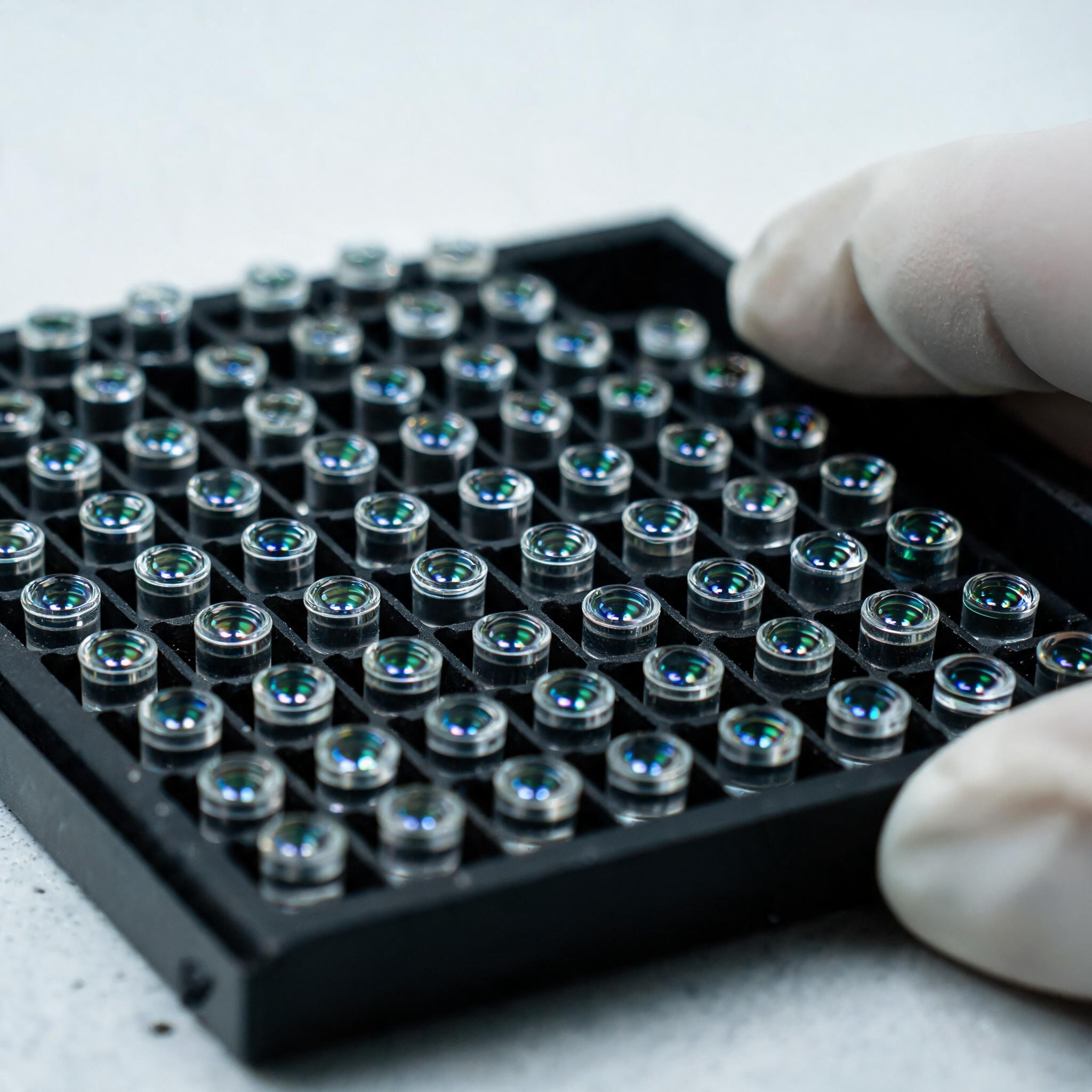
When a supplier change appears to improve the quoted value, request a comparison under matched measurement and processing conditions. If the instrument is limited by scatter, a roughness report may be supporting evidence rather than the complete system acceptance test. Let the optical designer identify the relevant surface scales and any separate scatter requirement. The practical goal is a reproducible polishing specification, not a smaller number created by a different filter setting.
Related specifications
precision-polished aspheric lens requirements · optical mirror specifications
Include the existing roughness report and test settings with a polishing enquiry. Contact TUOLAN: sales@tuolango.com.
Sources and editorial note
Reviewed 2026-10-21. Technical conclusions and proposed acceptance steps are TUOLAN editorial analysis. No manufacturer affiliation is implied.