
Insights
Calcium Fluoride Windows: Review the Temperature Transition
TECHNICAL ANALYSIS
For a calcium fluoride window, review how the part reaches its operating temperature as well as the final temperature. A satisfactory transmission curve alone does not establish that the installed window tolerates the proposed temperature change.
Material suitability and a qualified transition are different
TYDEX’s calcium fluoride material reference identifies applications in spectroscopy and optical components while warning that the material is sensitive to thermal shock. The page has no confirmed publication date. It is used here as material guidance, not as a new product release or a qualification certificate for a TUOLAN assembly.
Follow the part through the actual sequence
TUOLAN’s application analysis begins with the sequence the window will actually experience: storage, unpacking, installation, startup and shutdown. A single operating-temperature figure leaves these transitions undescribed. Ask where heat enters the part and how the support is expected to respond. Chamber air temperature is a useful control variable, but it is not by itself a measurement of the temperature distribution within the window.
Keep the substrate, coating, edge condition, seal and retaining arrangement together in the review. Approval of an unmounted sample should not silently become approval of a tightly retained assembly. If a cleaning or service step exposes one face to a different thermal condition, include that step in the proposed procedure. Do not assign a universal temperature ramp from the material name; allowable transitions depend on the actual component and its constraints.
Use a representative assembly for the decision
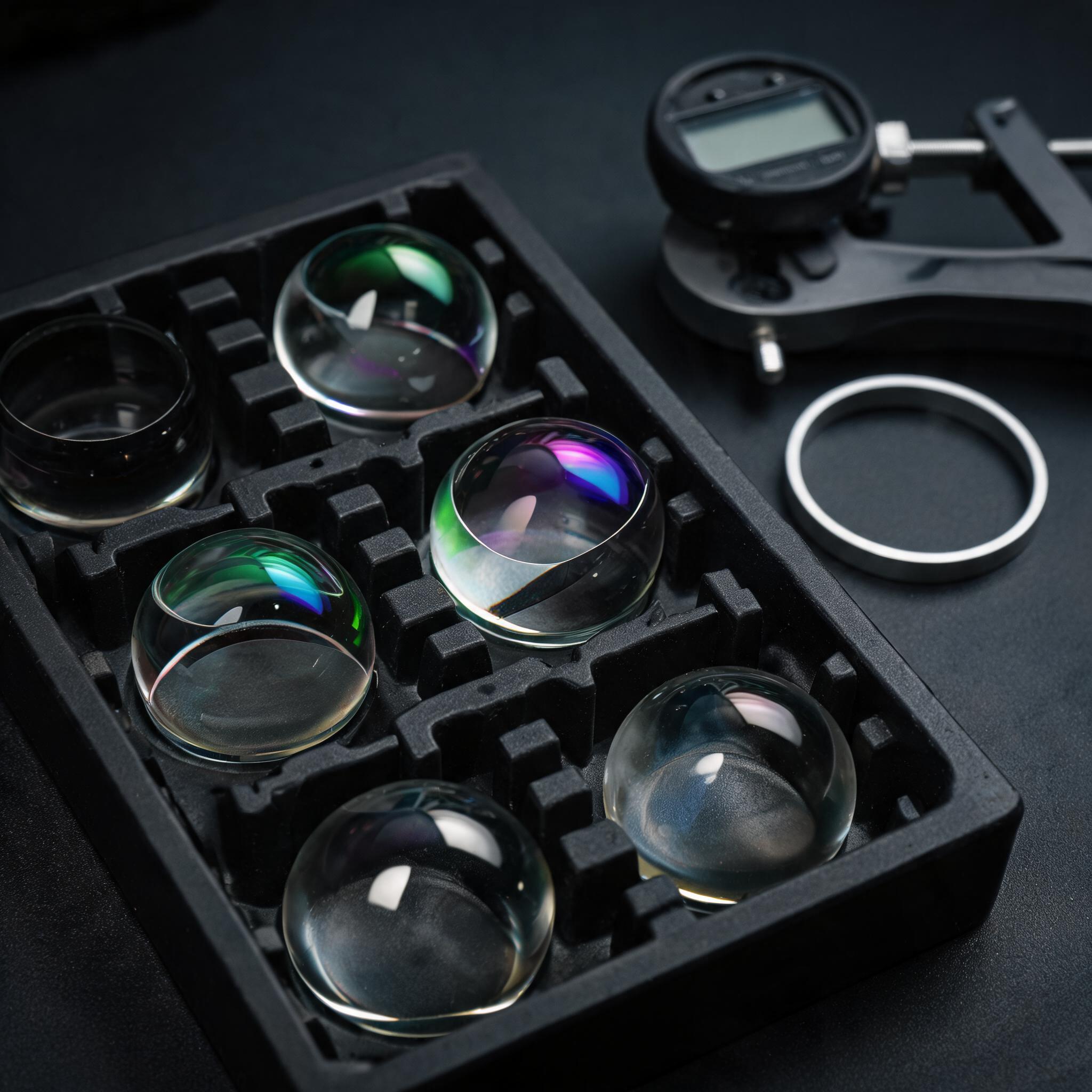
The first-article programme should use the intended assembly and an agreed transition sequence. Inspect for damage and compare the optical result before and after under repeatable conditions. An unchanged visual appearance alone may not answer the instrument’s optical requirement. If the assembly passes, preserve the tested sequence with its drawing revision. If it fails, review the thermal path and retention with the responsible supplier rather than assuming a thicker window automatically solves the problem.
Related specifications
optical window configurations · infrared lens and material enquiries
For a calcium fluoride component review, include the temperature-change sequence and a section through the mount. Contact TUOLAN: sales@tuolango.com.
Sources and editorial note
Reviewed 2026-10-24. Technical conclusions and proposed acceptance steps are TUOLAN editorial analysis. No manufacturer affiliation is implied.