
Insights
Dove Prism Calibration: Check Image Handedness as Well as Rotation
TECHNICAL ANALYSIS
Dove prism calibration needs an image-handedness check in addition to an angle check. A rotated symmetric target can look correct while the mapping of object coordinates to image coordinates remains reversed.
The image transformation depends on the optical path
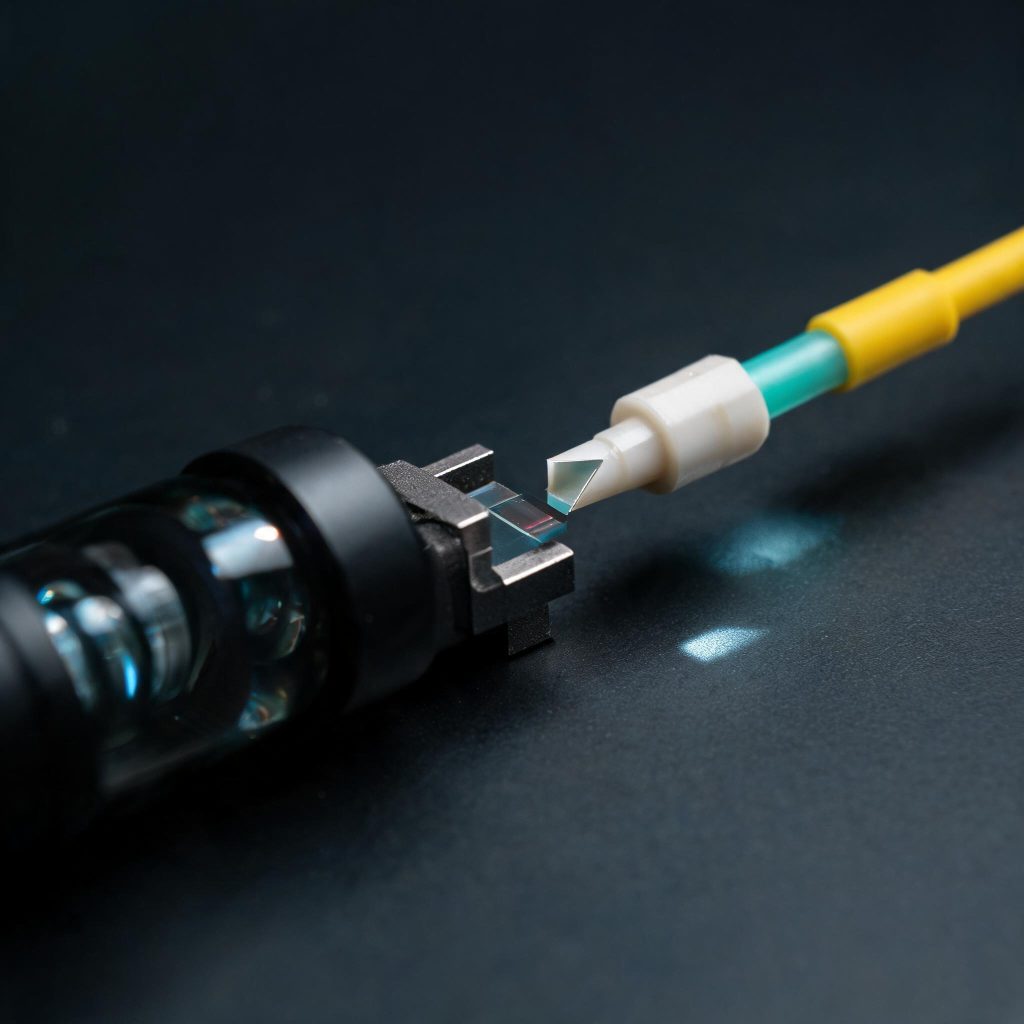
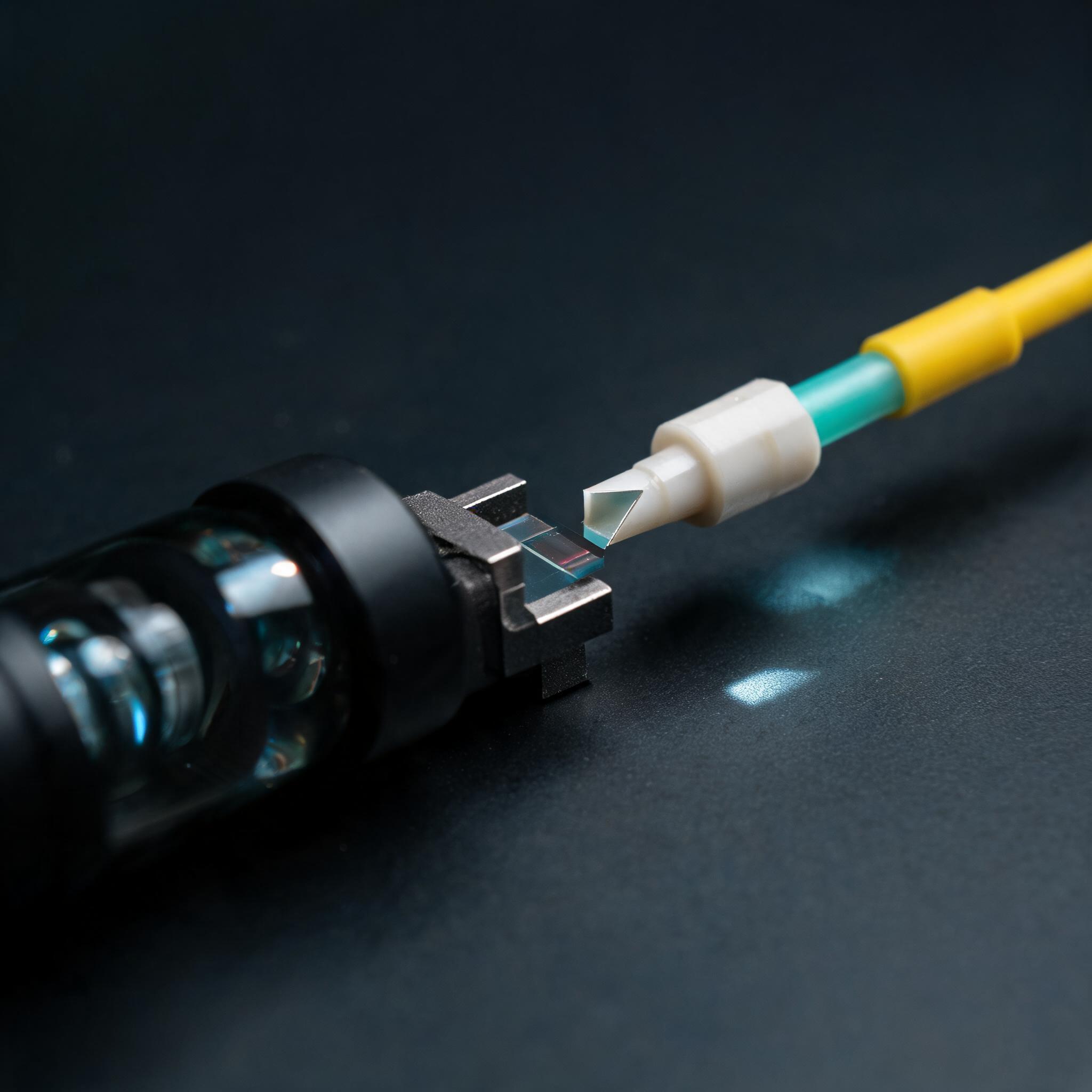
Edmund Optics describes its Dove-prism image-rotation configuration as producing a left-handed image whose rotation is twice the prism rotation. The undated reference recommends collimated light for best performance and distinguishes other prism uses. This is a specific optical configuration, not a claim that every orientation has the same transformation.
Use a target that reveals reflection and rotation
TUOLAN proposes checking an asymmetric target with identifiable directions through the intended input and output faces. Record the viewing direction and the camera coordinate convention. A circular or repeating target can hide a reflection, so an angle readout by itself is insufficient evidence of the complete mapping.
Compare the observed mapping with the application’s required orientation before applying software correction. If the software reflects or rotates the image, preserve the raw reference and document the transformation. Do not treat a mechanical angle offset as a substitute for identifying the optical handedness.
Preserve the coordinate convention with the assembly
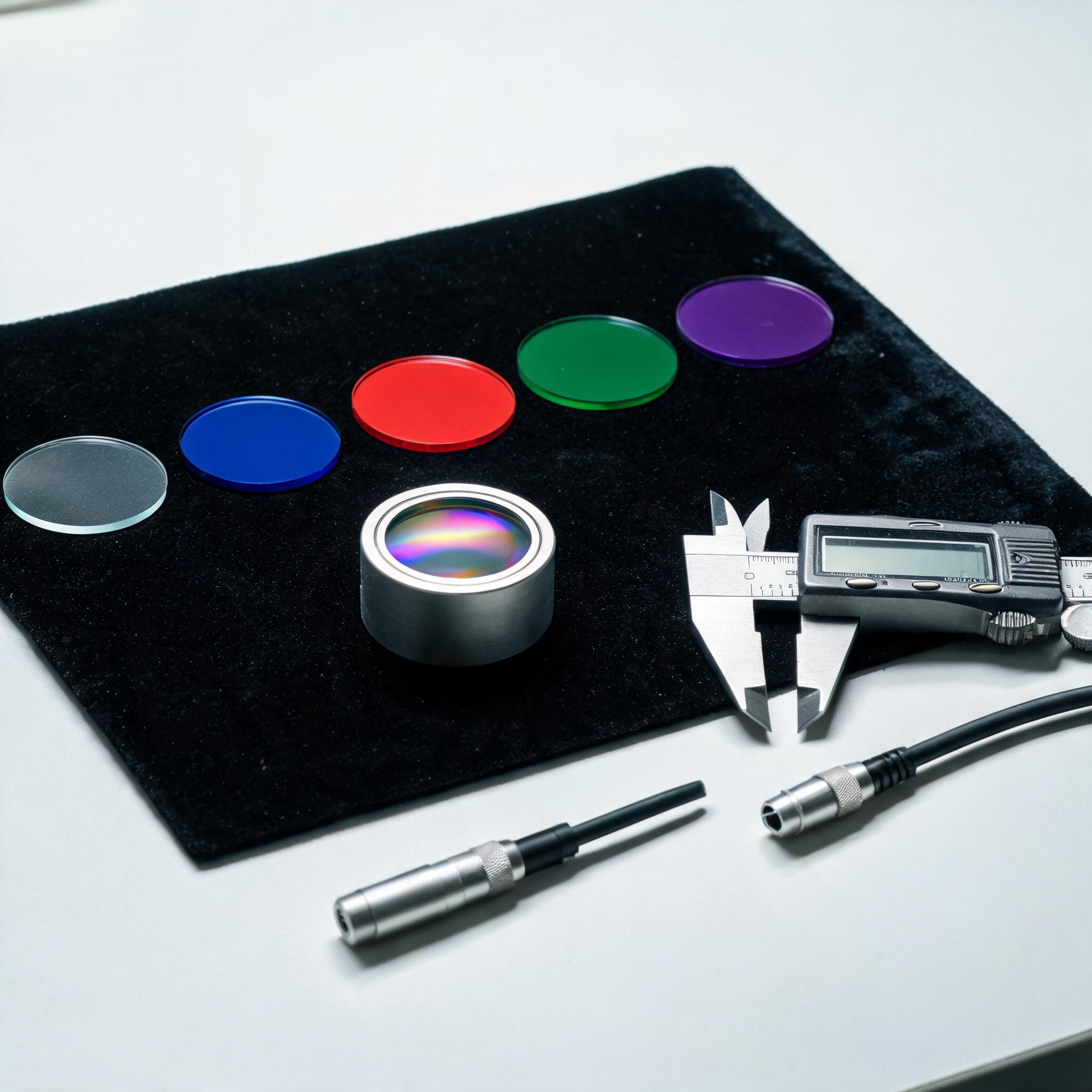
Keep the prism orientation, used faces and camera mapping with the acceptance record. Recheck the mapping after a path or mounting revision rather than inheriting the previous calibration from the prism name alone. This matters when image coordinates control measurement or motion, where a visually upright image can still have the wrong coordinate sense.
Related specifications
optical components for imaging paths · optical mirrors for folded paths
For a coordinate review, send the optical route and the required object-to-image direction convention. Contact TUOLAN: sales@tuolango.com.
Sources and editorial note
Reviewed 2026-11-02. Technical conclusions and proposed acceptance steps are TUOLAN editorial analysis. No manufacturer affiliation is implied.