
Insights
Plate Beamsplitter Integration: Give the Ghost Beam Its Own Acceptance Test
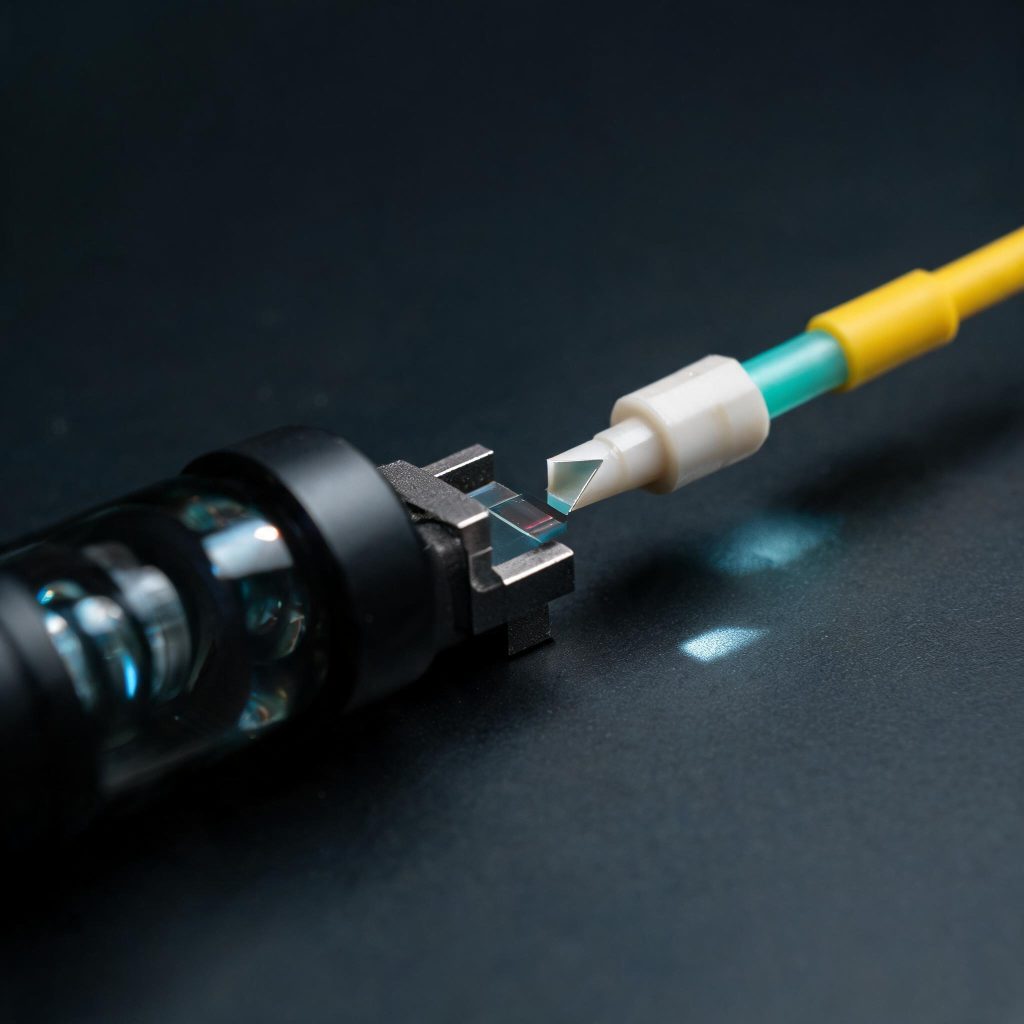
OPTICS · TECHNICAL INSIGHT
A plate beamsplitter needs an acceptance check for the useful split beams and for unwanted secondary reflections. Define which beam is measured, where the detector sits and what background or image degradation the system can tolerate.
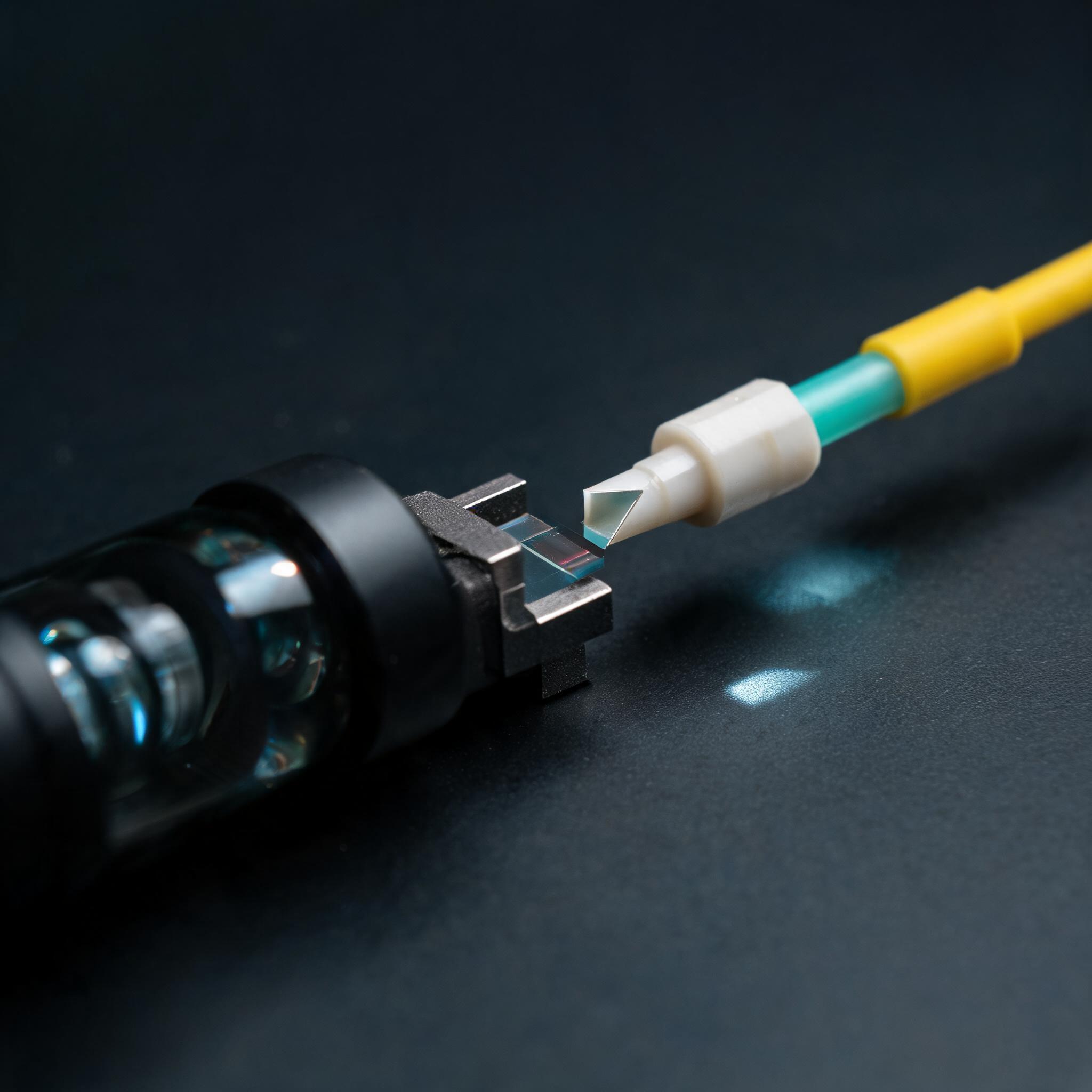
The secondary surface belongs in the optical layout
G&H’s beamsplitter guide describes transmitted-beam displacement through a plate and a ghost reflection associated with its back surface. It notes that an antireflection treatment on the exit surface can reduce the ghost.
This is an original TUOLAN technical insight, not a new product release. The source explains optical principles; the procurement and test recommendations below are TUOLAN’s analysis.
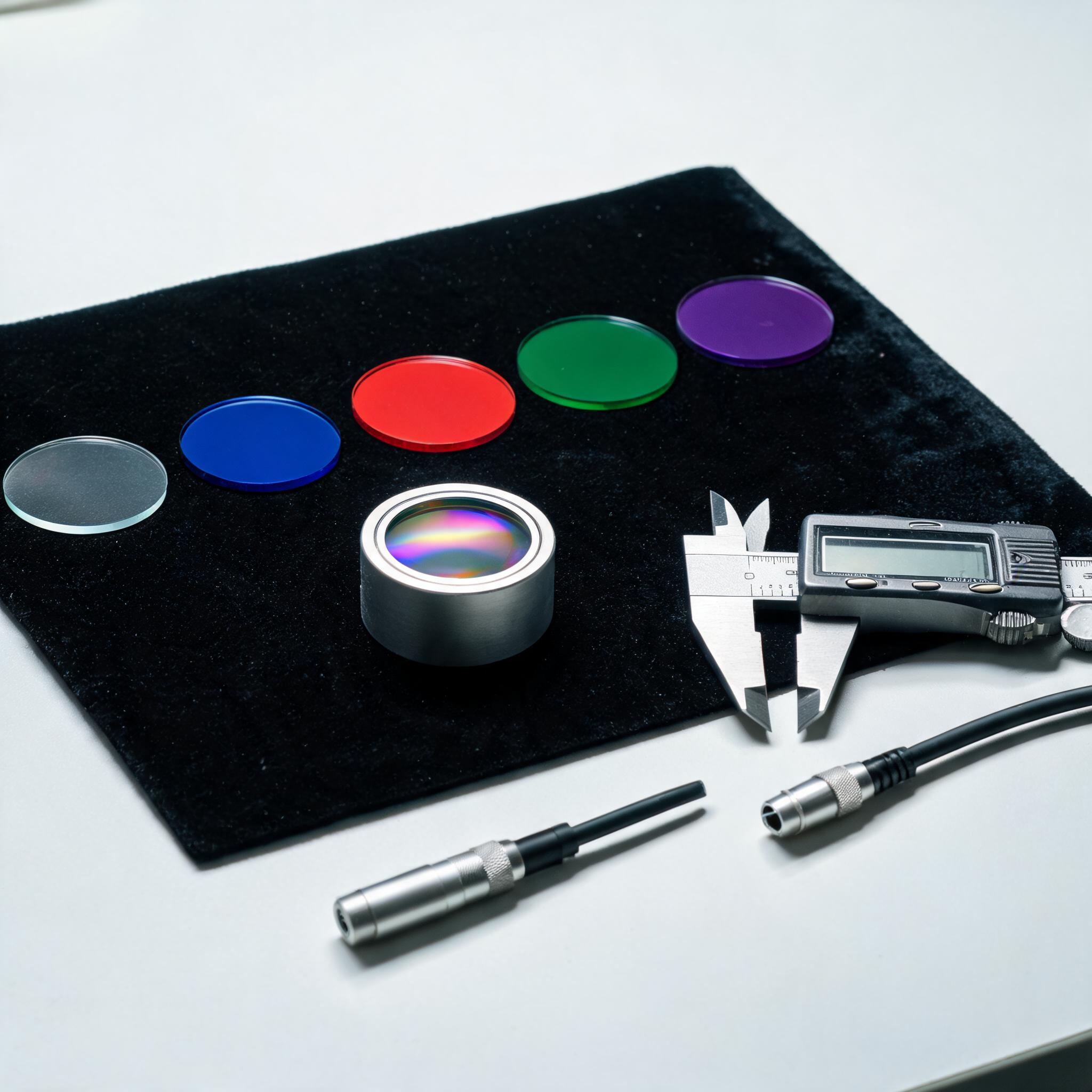
Label the intended ports before measuring a split ratio
For custom beamsplitting coating discussions, specify wavelength, incidence angle and polarization, then label the reflected and transmitted paths. State whether the measurement includes only the intended beam or also collects nearby reflections.
A reported split ratio does not describe every stray-light consequence. Ask for the installed geometry and aperture used in the measurement before comparing reports from different setups.
Inspect the detector plane, not just the isolated optic
Trace the displaced transmitted path and the secondary reflection through the planned assembly. Check whether either overlaps the useful signal, reaches another optical surface or creates an objectionable image. Document any beam stop or aperture that is part of the approved configuration.
Test with a representative target or beam under controlled illumination. Keep the ghost criterion separate from the primary throughput criterion so an acceptable average signal does not hide an unwanted secondary feature.
Do not treat a cube as an automatic cure
Discuss a cube alternative through the optical prism and assembly review, while retaining the full interface and test requirements. Changing the geometry can change mounting, glass path and other reflections; the new arrangement needs its own evaluation.
TUOLAN’s recommendations define a procurement review. They do not assert that a standard catalog prism is a beamsplitter or that any configuration is free of ghost light.
Buyer RFQ checklist
- Label reflected, transmitted and secondary paths in the drawing.
- Define split-ratio measurement aperture and detector geometry.
- Verify ghost-light tolerance separately from useful throughput.
Review your project specification
Send the application, drawing or interface requirements, target quantity and market to TUOLAN TRADE or sales@tuolango.com.
Sources
Official company source, Technical reference; publication date not stated. Reviewed 17 October 2026. Checked on 17 October 2026. Buyer recommendations are TUOLAN’s analysis, separate from the source announcement.
Edited and analysed by TUOLAN TRADE.