
Insights
Laser Line Uniformity Starts with the Input Beam
TECHNICAL ANALYSIS
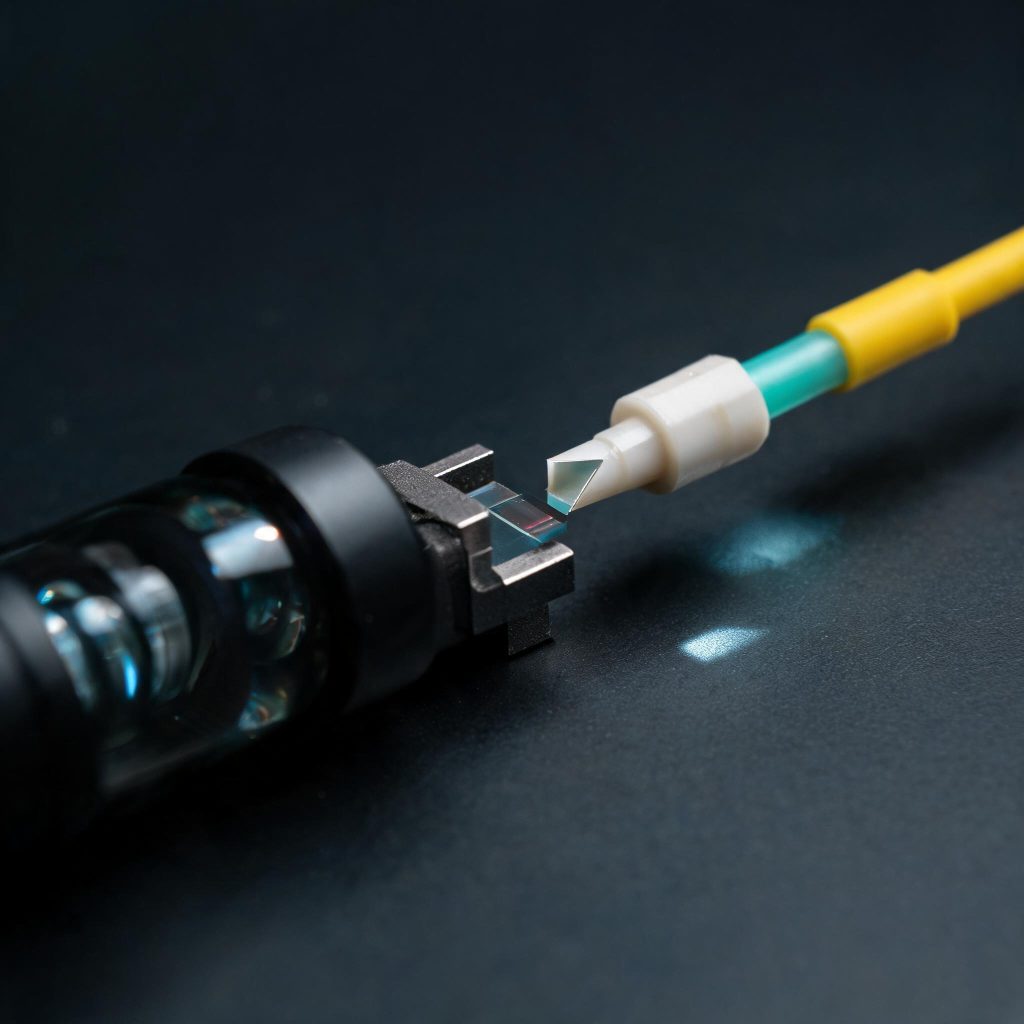
Specify laser line uniformity separately from line width and length. For a Gaussian input, producing a narrow line does not by itself redistribute the bright centre into a flat intensity profile.
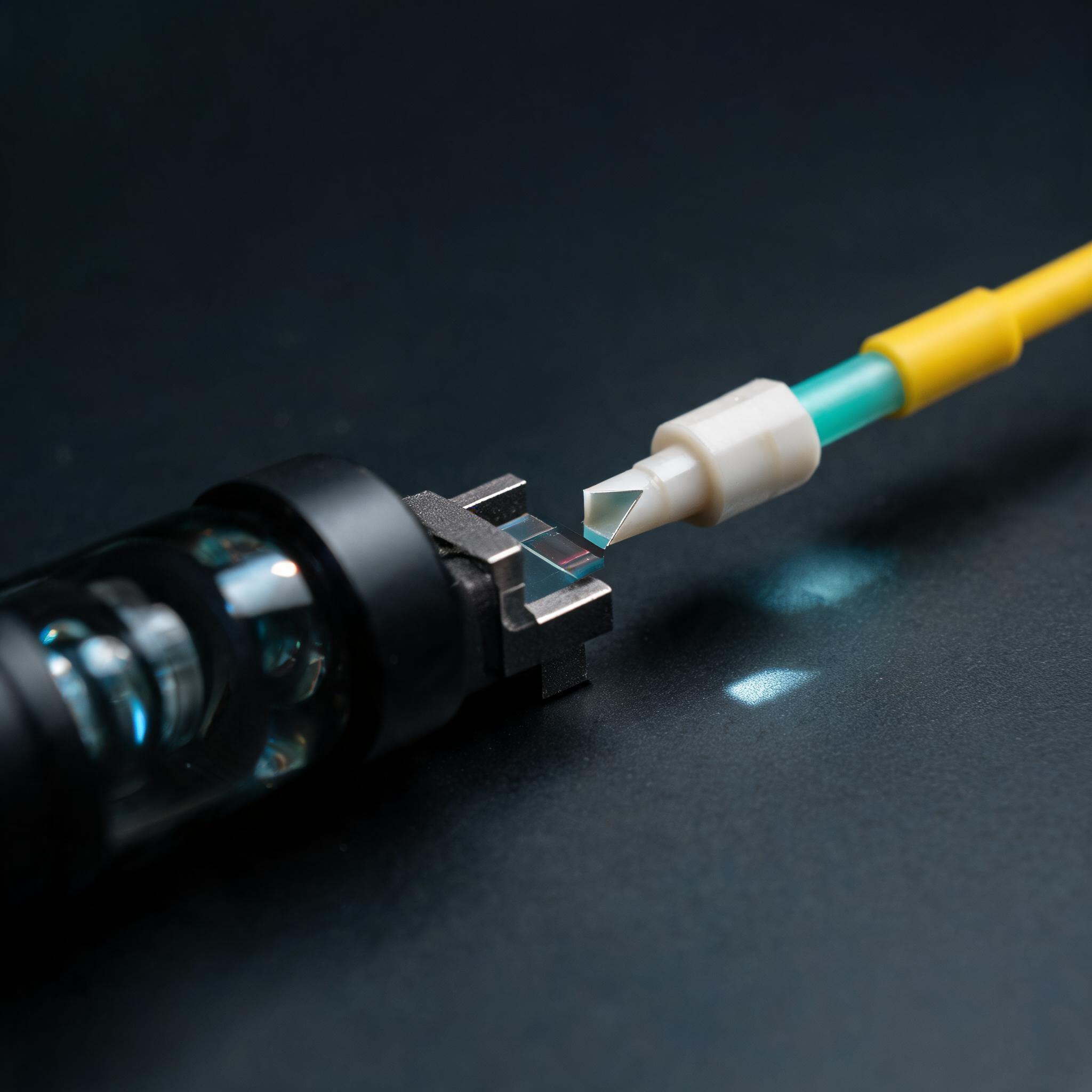
Line formation and intensity redistribution are different jobs
Coherent’s Powell-lens glossary contrasts a cylindrical lens that preserves a Gaussian line profile with an aspheric line generator that redistributes intensity. It also identifies input beam diameter and alignment as conditions for uniformity. The undated page is a technical explanation, not a specification for a TUOLAN product.
Fix the input before comparing line generators
For a comparison, record the input profile, beam-diameter definition, wavelength and alignment reference. A line generator designed for a particular input should be evaluated with that input. If the source changes, repeat the profile check before blaming the lens. Retain the input measurement with the output so an apparently improved line can be traced to the optic, the illumination or both.
TUOLAN recommends defining the evaluated line segment and the uniformity calculation before testing. Keep detector exposure below saturation and record the background treatment. Clipping a bright centre in the camera can make a nonuniform line appear flatter. Cropping away weak ends can also change the result, so preserve the full profile alongside the agreed useful segment.
Measure the useful segment without hiding the ends
Check the projected line at the intended working plane and retain the required width and straightness results separately. A candidate may improve uniformity while changing another property that matters to the application. Choose a cylindrical or tailored aspheric solution against the actual illumination task, with the accepted input conditions and alignment procedure included in the handover.
Related specifications
cylindrical lenses for line formation · aspherical beam-shaping options
For a line-generation enquiry, send the input beam profile and the useful line segment with its uniformity definition. Contact TUOLAN: sales@tuolango.com.
Sources and editorial note
Reviewed 2026-10-27. Technical conclusions and proposed acceptance steps are TUOLAN editorial analysis. No manufacturer affiliation is implied.