
Insights
Fresnel Lens Collection: Measure What Reaches the Active Detector
TECHNICAL ANALYSIS
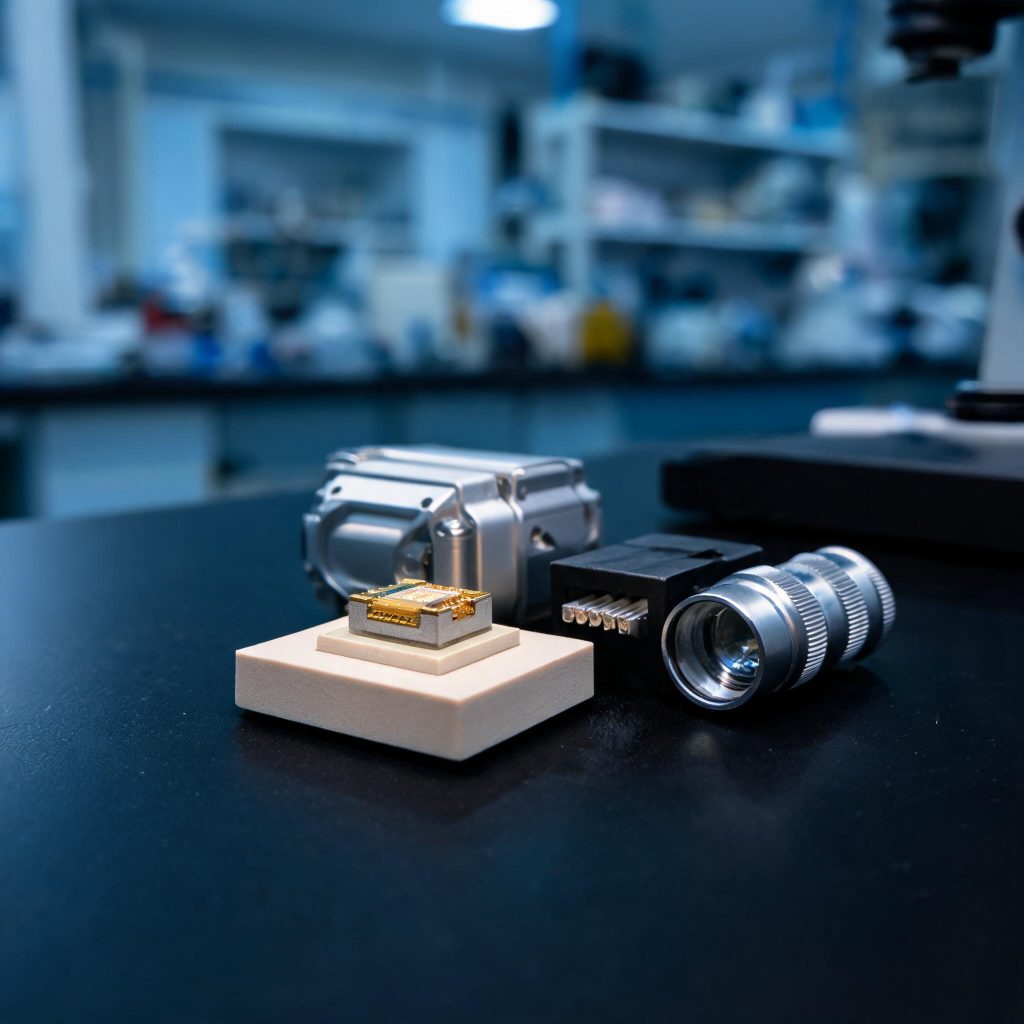
For Fresnel lens collection, measure the light captured by the intended detector rather than accepting a visually bright focus. The useful result depends on the source distribution, lens orientation and detector active area together.
Collection and detailed imaging are different tasks
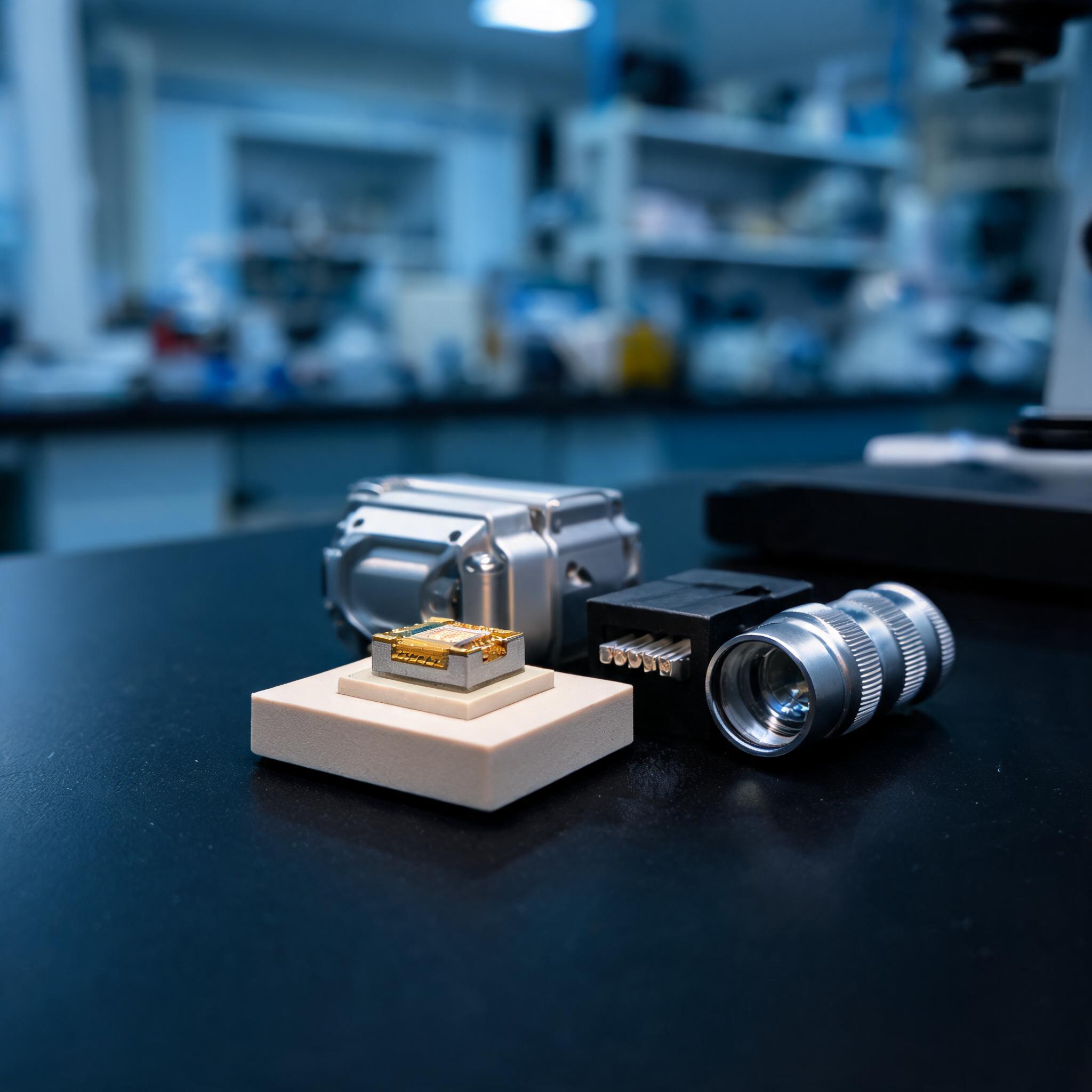
Edmund Optics describes Fresnel lenses as grooved refracting surfaces and discusses a trade-off between efficiency and image quality. Its undated product explanation identifies light gathering as a common use. That supports assessing a collection task directly; it does not make a Fresnel element an equivalent replacement for a polished imaging lens.
Use the actual receiving area in the comparison
TUOLAN proposes defining the source extent and angular range that must contribute to the detector signal. Record the intended lens orientation and spacing. A focal-length label alone does not specify how an extended source maps onto a finite receiving area, so use the proposed source and detector geometry for the comparison.
Measure the received signal over the required source positions while keeping the illumination reference stable. Account for saturation and any receiving aperture ahead of the detector. Retain both the intended captured signal and relevant background observations; a bright spot photographed on a larger screen may include light that the active detector would miss.
Choose the lens around the required capture envelope
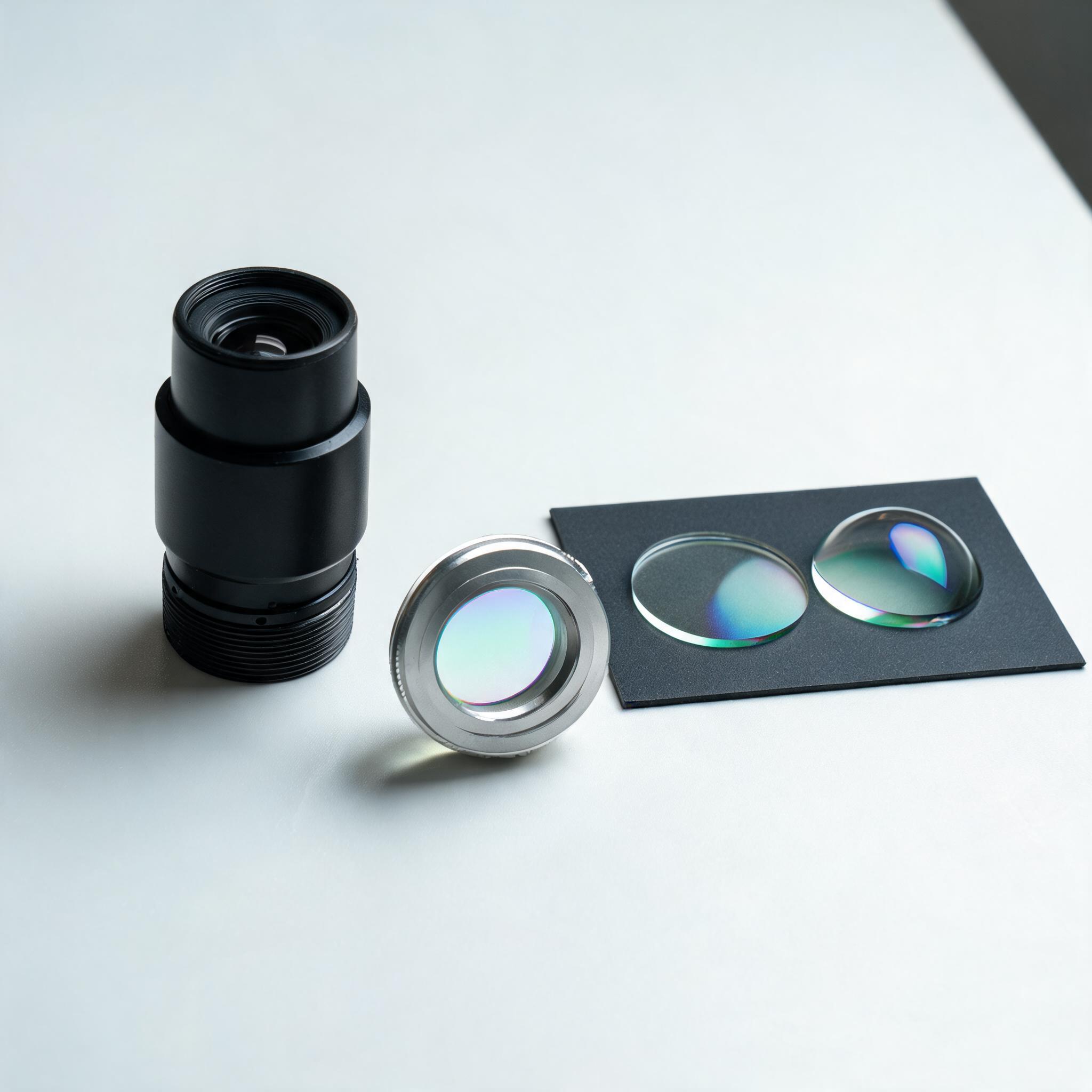
Compare a conventional lens only under the same collection geometry and receiver definition. If the application instead needs resolved detail, set a separate imaging requirement. For procurement, attach the approved capture conditions and alignment envelope to the selected lens, rather than substituting one construction on focal length alone.
Related specifications
spherical lenses for collection comparisons · precision polished aspheric lens options
For a collection review, send the source distribution, detector active area and proposed lens-to-detector geometry. Contact TUOLAN: sales@tuolango.com.
Sources and editorial note
Reviewed 2026-10-31. Technical conclusions and proposed acceptance steps are TUOLAN editorial analysis. No manufacturer affiliation is implied.