
Insights
CIOE 2026 Optics & Infrared Highlights
Optics industry news · September 9, 2026
Precision optical components, imaging lenses and infrared materials are central to the published program for CIOE 2026, the 27th China International Optoelectronic Exposition. The organizer lists September 9–11, 2026 at the Shenzhen World Exhibition & Convention Center in Bao’an, Shenzhen. For international optical buyers, the program connects materials and individual elements with lens assemblies, coatings, manufacturing equipment and measurement. Official event overview.
This report is compiled from publicly available information on the Internet, primarily CIOE’s official exhibition pages, news and conference schedules, checked September 9, 2026. It is not an on-site report or a statement that TUOLAN is exhibiting. Product pictures below are illustrations from our existing website, not photographs of CIOE booths. Final schedules, exhibitor participation and product specifications should be confirmed with their original sources.
Dates
September 9–11, 2026
27th CIOE · Published exhibition schedule
Venue
Shenzhen World
Exhibition & Convention Center · Bao’an, Shenzhen, China
Optical focus
From elements to imaging
Precision optics, lenses, infrared optics, coatings and metrology
Four optical themes worth following
1. Precision elements remain a core sourcing category
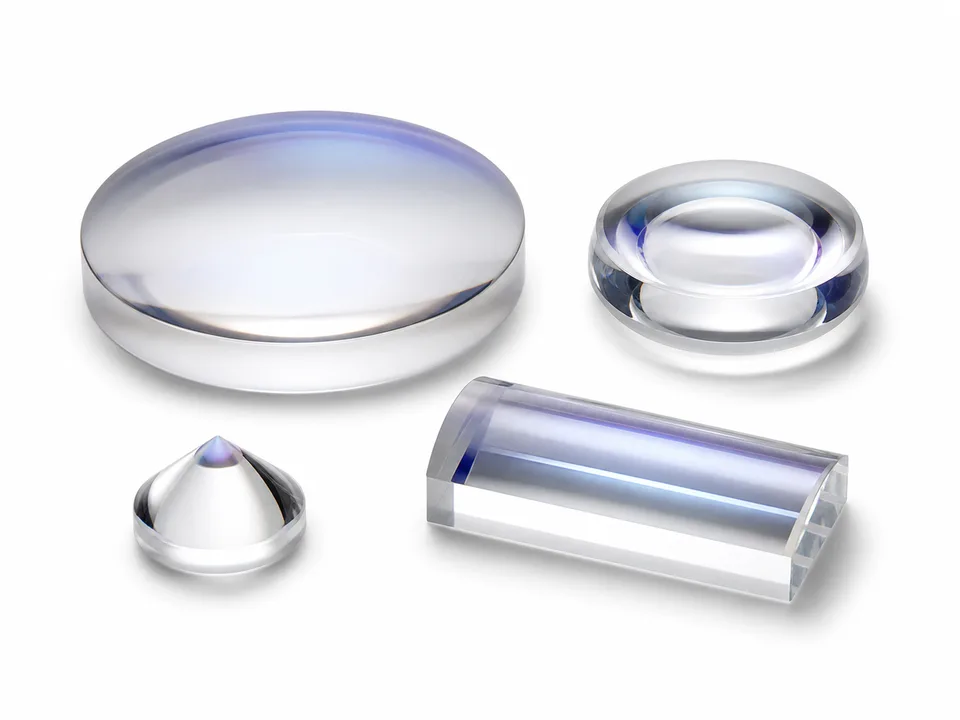
CIOE’s optical exhibit scope includes spherical and aspherical lenses, prisms, cylindrical lenses, mirrors and flat windows. Glass molding, polymer molding and freeform optics sit alongside conventional grinding and polishing. This makes the event relevant both to buyers of individual optical elements and to teams developing compact imaging assemblies. These are advertised exhibit categories, not confirmation that any particular component has passed qualification. Official precision optics scope.
2. Imaging requirements extend beyond consumer cameras
In its August 28 lens-and-module roundup, CIOE highlights applications in industrial production, healthcare and semiconductor equipment as well as consumer and automotive products. The examples include microscope objectives and ultraviolet lithography lenses for inspection and alignment tasks. The emphasis is on matching the optical assembly to its application, rather than treating resolution alone as the purchasing specification. CIOE lens and module roundup, August 28.
3. Infrared optics links material choice with manufacturing
The infrared exhibition’s published scope includes germanium, silicon, zinc selenide, chalcogenide glass, filters, infrared lenses and thermal imaging modules. Listed applications include industrial inspection, temperature measurement and photovoltaic defect detection. Official infrared exhibition scope.
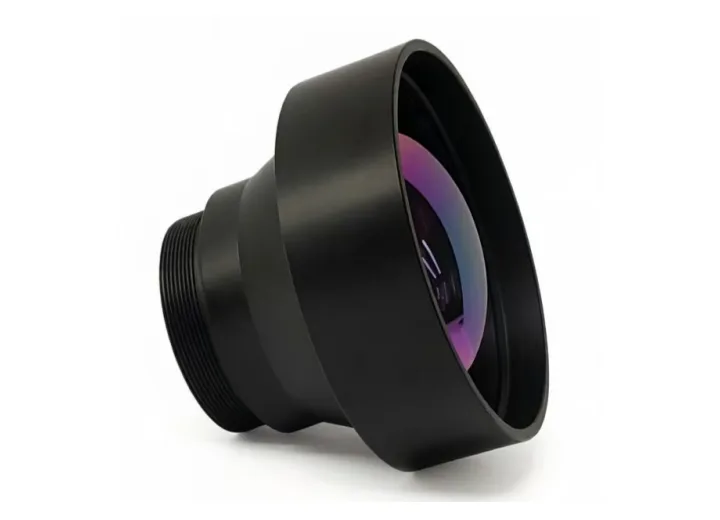
A July 23 CIOE feature on Quanbo Infrared describes a manufacturing route from chalcogenide glass preparation through precision molding of spherical and aspherical elements, coating and lens assembly. It is a supplier-specific example of the link between materials and production processes, not evidence that every molded infrared lens offers the same cost, thermal behavior or image quality. CIOE chalcogenide-lens feature, July 23.
4. Coatings and measurement deserve their own review
CIOE lists antireflection, broadband antireflection, high-reflectivity, filtering and protective coatings. Its measurement categories include interferometers, spectrometers, surface inspection and automated optical inspection. Alongside the manufacturing equipment, these categories make coating requirements and verification methods an important part of an optical sourcing discussion. Coating and metrology categories.
A practical route through the optical halls
The organizer’s published optical layout gives the following starting points. Check the current floor plan and exhibitor directory before planning meetings; this is a guide to the announced layout, not a live booth-by-booth report.
| Hall | Published focus | Useful for |
|---|---|---|
| 1 | Camera technology, optical lenses, modules and related production equipment | Imaging-system and lens-assembly discussions |
| 3 | Imaging applications, optical measurement, machine vision and molded optics | Application fit and measurement methods |
| 5 and 7 | Optical materials, components and processing; Hall 7 also emphasizes vacuum coating | Element fabrication, coating processes and manufacturing equipment |
Organizer’s optical hall guide. AR/VR also forms part of the wider optical exhibition program; combined multi-expo hall totals should not be read as precision-optics-only space.
Two September 10 technical sessions to note
| Session | Published schedule | Optical relevance |
|---|---|---|
| Ultra-precision optical manufacturing | September 10, 14:00–16:45 Hall 5, second floor, room 5A | Small-aperture infrared lens processing; computer-generated hologram testing of aspheric/freeform elements; manufacturing and metrology |
| Optical vacuum coating | September 10 Conference room inside Hall 7 | Optical-filter deposition, thin-film testing, coating processes and equipment |
Times are China Standard Time (UTC+8). The organizer lists these sessions in Chinese and notes that final agendas are subject to on-site arrangements. Consult the linked programs for registration and any changes; this article does not report session outcomes.
What optical buyers should take away
TUOLAN’s sourcing perspective: use the exhibition themes to prepare a comparable technical brief, not as a substitute for supplier qualification. The following is our editorial checklist, rather than a claim about an exhibitor’s demonstrated performance.
- Define the optical task: component or complete lens, operating wavelength, sensor/interface, field of view and working distance.
- Set measurable acceptance criteria: drawing revision, material, surface requirements, coating performance and the conditions under which results must be reported.
- Separate prototype from production: tooling, sample quantity, batch consistency, delivery basis and change control need their own confirmation.
- Ask for evidence: request relevant inspection reports and agree how samples will be evaluated before an order is released.
Official resources and editorial scope
Use the CIOE website, official exhibitor/product directory and conference schedule for current arrangements. We have not treated announced exhibition scale as completed attendance, mixed previous-edition totals into 2026 results, or reproduced organizer photographs as our own.