
Insights
Helm.ai Reports $70 Million in Contracts: What Robot Vision Buyers Should Validate

ROBOTICS · INDUSTRY ANALYSIS
Helm.ai’s latest commercial announcement broadens the discussion of physical AI beyond road vehicles. Hardware buyers still need to turn a software-platform claim into a measurable camera and system specification.

Separate signed contracts from deployed performance
On 8 October 2026, Helm.ai reported $70 million in commercial contracts signed over a 12-month period, covering automotive and industrial customers. Its announcement describes work in perception, driving software, data labeling and simulation, alongside industrial perception and robotics development.
The figure is company-reported signed contract value. It is not robot shipment revenue, a count of deployed robots or proof that a particular camera module has passed a buyer’s operating conditions.
Make the camera requirements specific
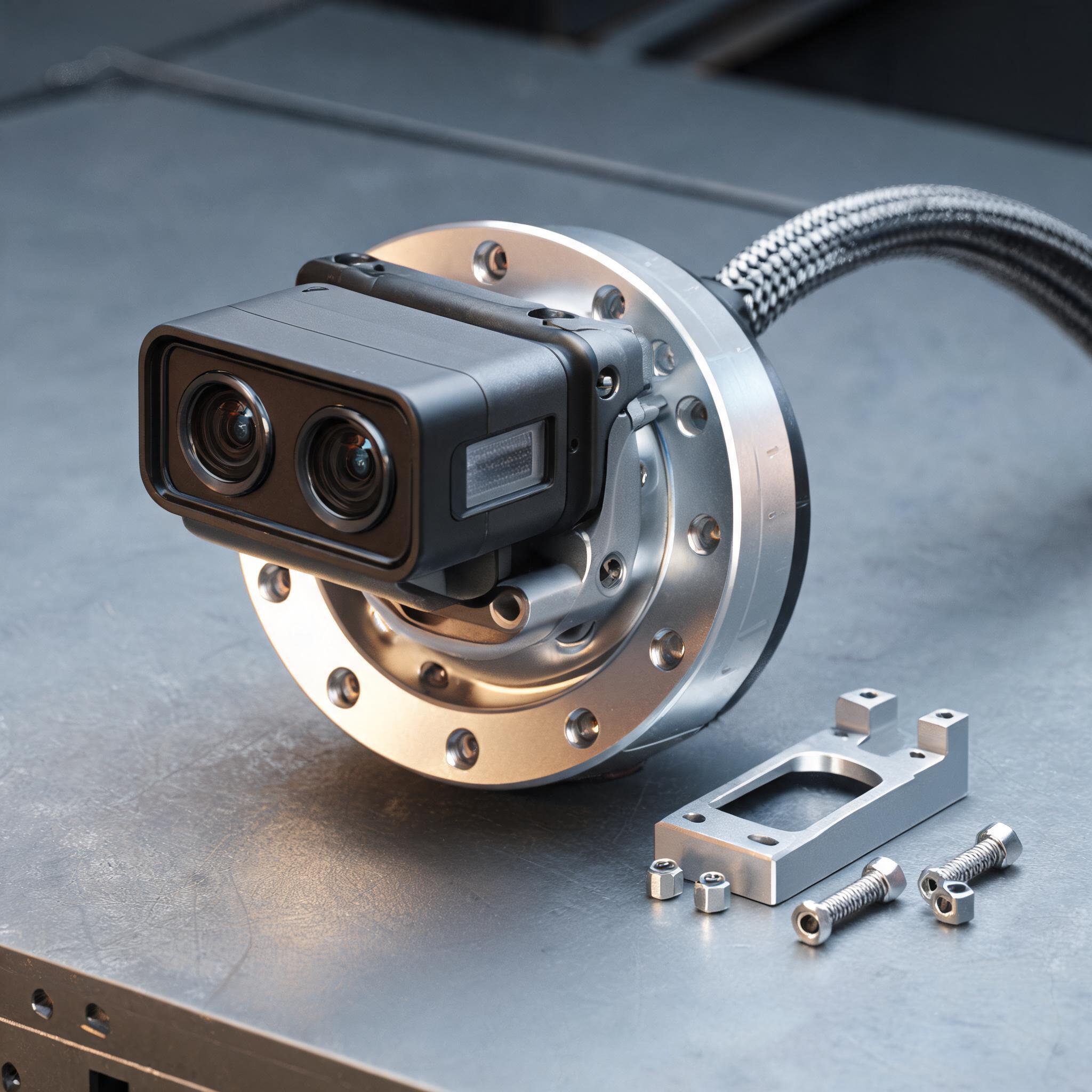
For robot vision and intelligent-hardware sourcing, define the image stream the software expects: sensor format, optical field of view, frame timing, interface and processing path. Ask which parts of the perception stack have been tested on the proposed hardware and which remain development work.
Component selection should also address glare, motion, vibration, temperature and contamination in the real environment. A successful demonstration under one lighting condition does not establish performance on a production floor or outdoors.
The visible and VIS–NIR lens catalog offers separate optical configurations for technical review. Confirm the exact sensor and mount before connecting any catalog lens to a robot project; no compatibility with Helm.ai software is implied.
Buyer RFQ checklist
- Identify the camera, lens, compute hardware and software version together.
- Specify synchronization and end-to-end latency measurement conditions.
- Use representative lighting, movement and contamination in validation.
- Record failure handling and human supervision requirements before deployment.
Review your project specification
Send the application, drawing or interface requirements, target quantity and market to TUOLAN TRADE or sales@tuolango.com.
Sources
Official company source, 8 October 2026. Checked on 9 October 2026. Buyer recommendations are TUOLAN’s analysis, separate from the source announcement.
Edited and analysed by TUOLAN TRADE.