
Insights
Optical Surface Quality Inspection: Agree the Method Before Rejecting a Sample

OPTICS · TECHNICAL INSIGHT
An optical surface quality requirement needs an agreed inspection method and evaluation area. A close-up photograph can document a concern, but it does not replace the viewing conditions and reference criteria used for formal sample acceptance.

Technical basis: identify the specification system
Edmund Optics’s surface-quality note describes scratch-and-dig evaluation and reference-based assessment. The designation belongs to a stated specification system; it should not be treated as a direct, universal description of every defect visible under arbitrary magnification.
This is TUOLAN’s original technical procurement analysis, not a new product announcement. Source concepts are distinguished from application recommendations; published supplier examples do not become TUOLAN specifications.
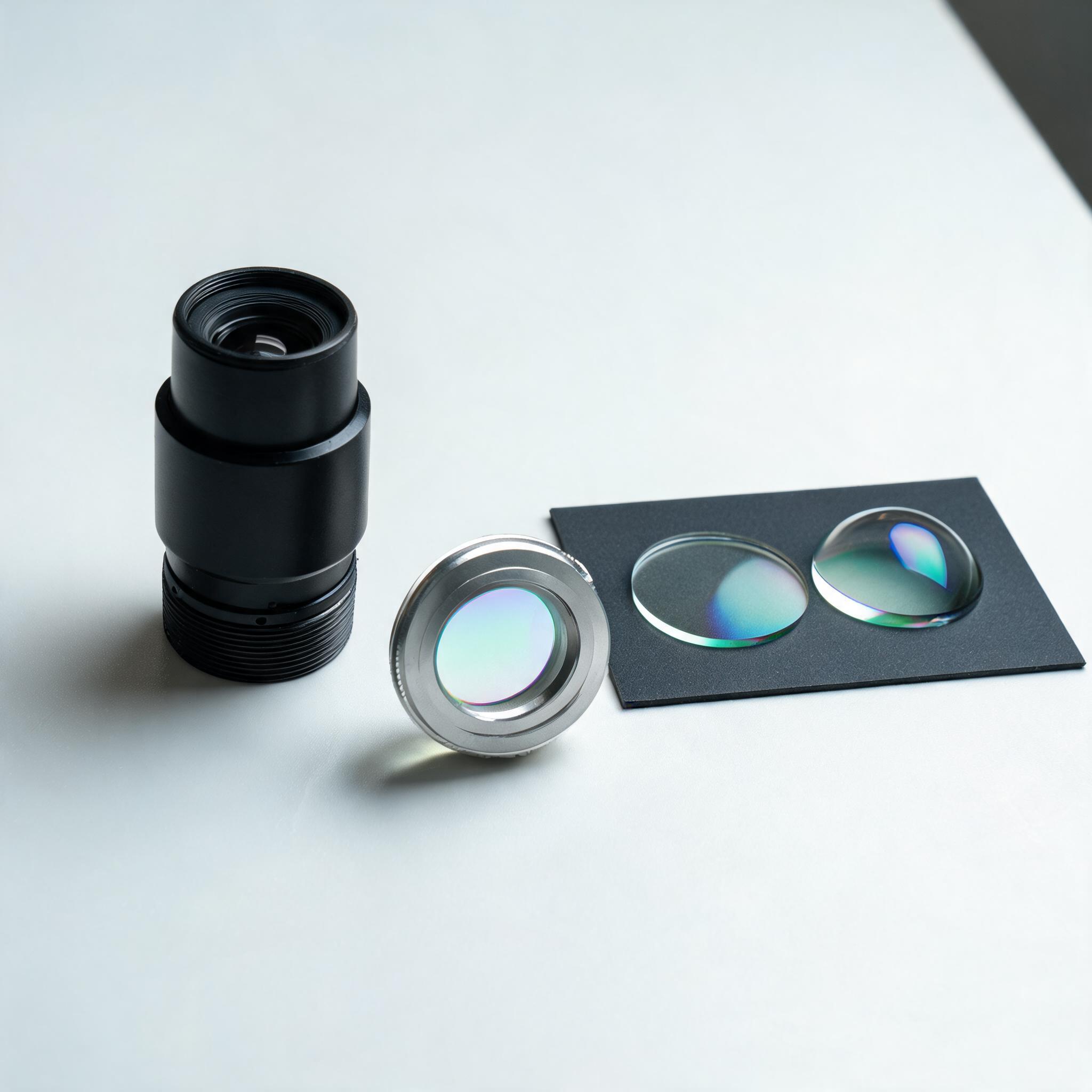
Prepare the inspection agreement before sampling
For precision optical window orders, identify the applicable specification and revision, faces to inspect and evaluation zone. Agree how the part is presented, illuminated and compared with references. Describe separately how edge regions are treated rather than assuming the same rule everywhere.
State whether acceptance occurs before or after coating and which cleaning process is permitted. A repeat inspection after cleaning should record what changed, so removable contamination is not confused with a permanent surface feature.
Make the evidence reproducible
Label each image with sample identity, face, position and viewing conditions. Keep the formal inspection result alongside photographs. If supplier and buyer disagree, repeat the examination using the agreed setup before interpreting different camera images as contradictory measurements.
For coated optical components, distinguish coating appearance from substrate defects and from transmission or reflectance measurements. The appropriate acceptance decision may require more than one record.
Do not use surface quality as a complete performance score
Image quality, wavefront, scatter and durability are separate functional questions. Request the measurements relevant to the application instead of assuming that a cosmetic inspection result proves them all. TUOLAN’s recommended release package connects the agreed method, sample photographs and functional evidence without inventing a universal quality grade for every optic.
Buyer RFQ checklist
- Identify specification, revision, face and evaluation zone.
- Control lighting, comparison references and permissible cleaning.
- Keep photographic observations separate from formal functional measurements.
Review your project specification
Send the application, drawing or interface requirements, target quantity and market to TUOLAN TRADE or sales@tuolango.com.
Sources
Official company source, Technical reference; publication date not stated. Reviewed 15 October 2026. Checked on 15 October 2026. Buyer recommendations are TUOLAN’s analysis, separate from the source announcement.
Edited and analysed by TUOLAN TRADE.