
Insights
Polarizer Extinction Ratio: Identify the Port and the Ratio Convention
TECHNICAL ANALYSIS
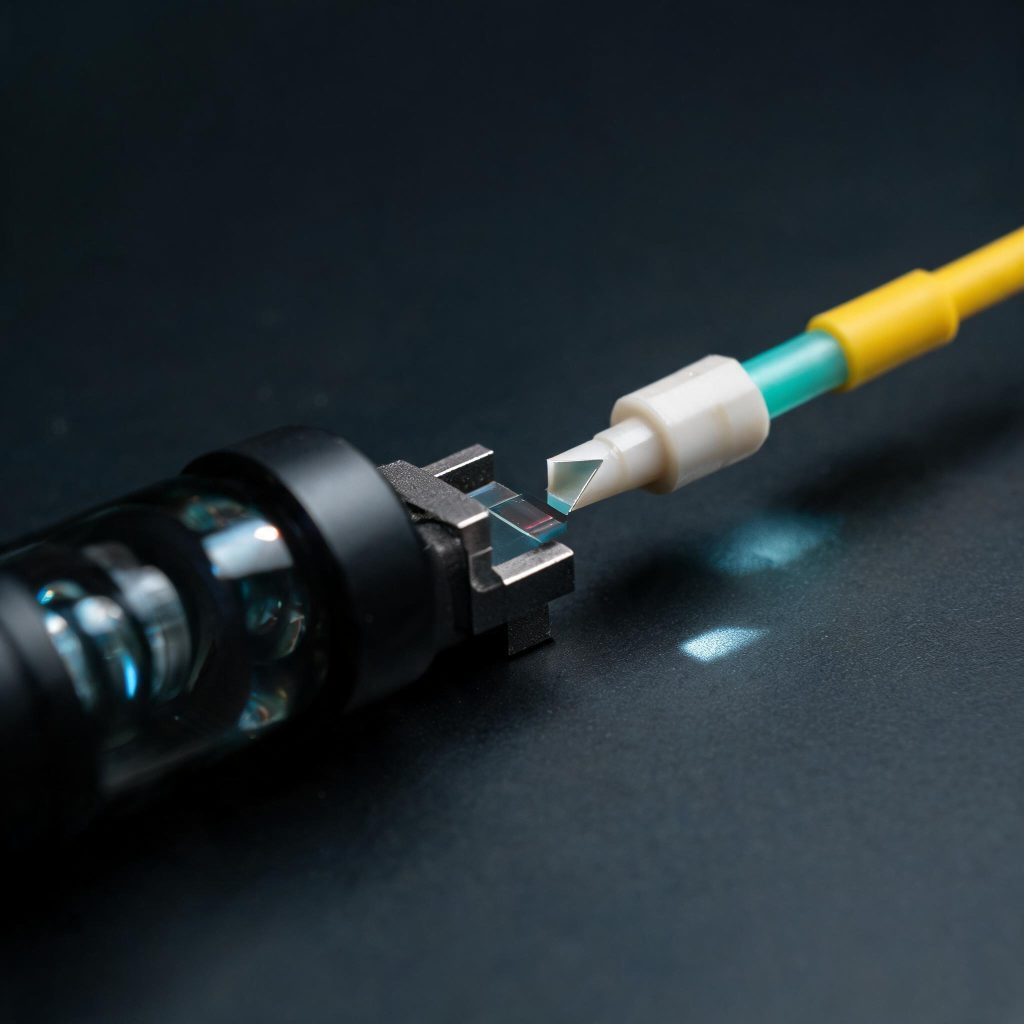
A polarizer extinction ratio is incomplete without a defined output and ratio convention. When a polarizing beamsplitter supplies separate channels, establish the requirement for each used port rather than transferring a transmission statement to the whole assembly.
The convention belongs beside the value
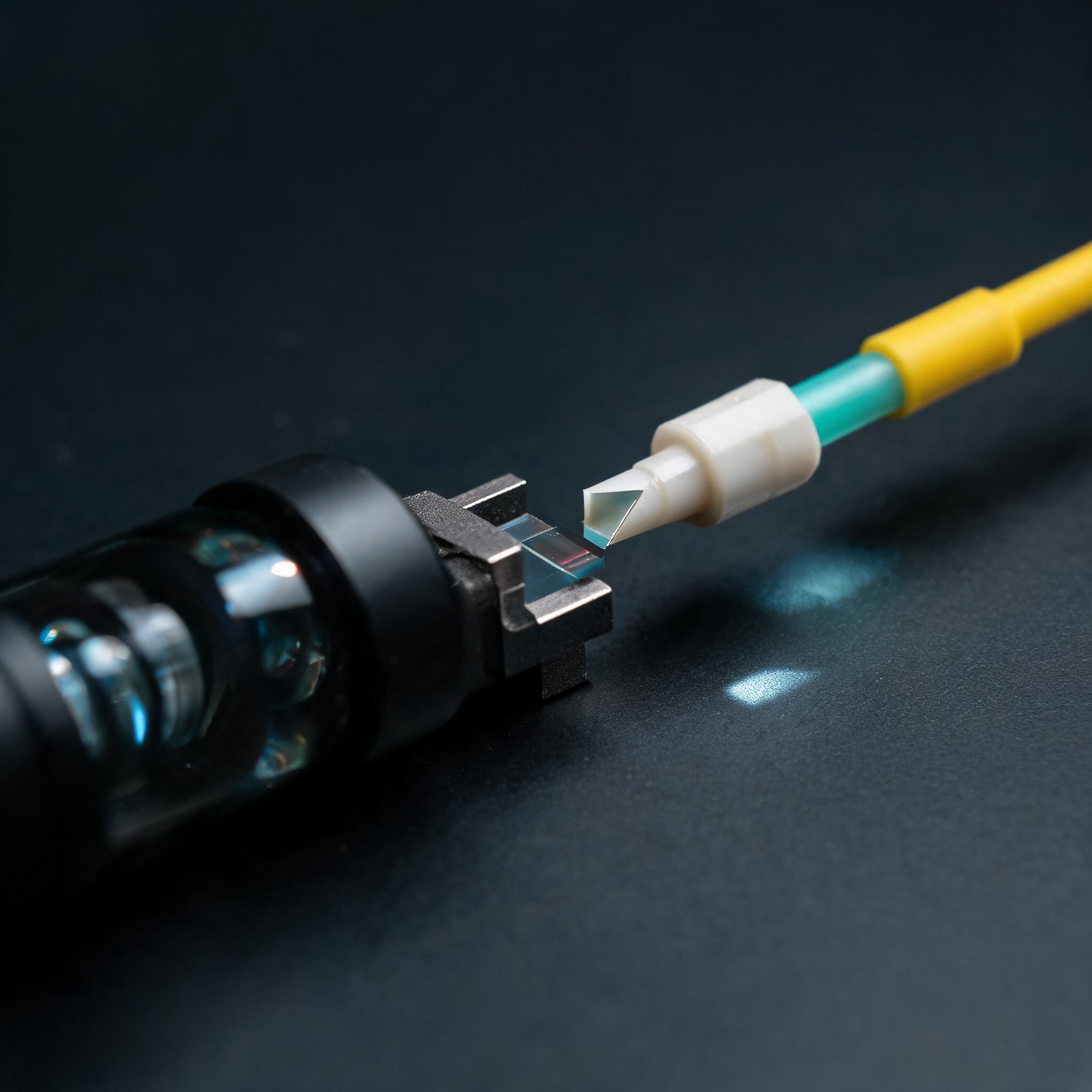
Edmund Optics defines polarizer extinction using principal transmittances and notes its wavelength and incidence-angle dependence. The undated guide also distinguishes designs that transmit and reflect usable beams. These definitions do not imply equal polarization purity in every output or supply a TUOLAN performance guarantee.
Give each channel its own measurement definition
TUOLAN recommends labelling the transmitted and reflected paths on the optical drawing. For each used output, name the intended polarization and the unwanted component, and state which is the numerator of the reported ratio. A numerical comparison is meaningless if one report gives wanted-to-unwanted power and another gives its reciprocal without saying so.
Agree the input polarization, wavelength and incidence geometry, including the reference plane used to name polarization directions. A direction label drawn on a page can become ambiguous after a folded path. Preserve the physical orientation of the component and the analyser used to inspect each channel so the measurement can be reproduced.
Compare leakage and useful throughput separately
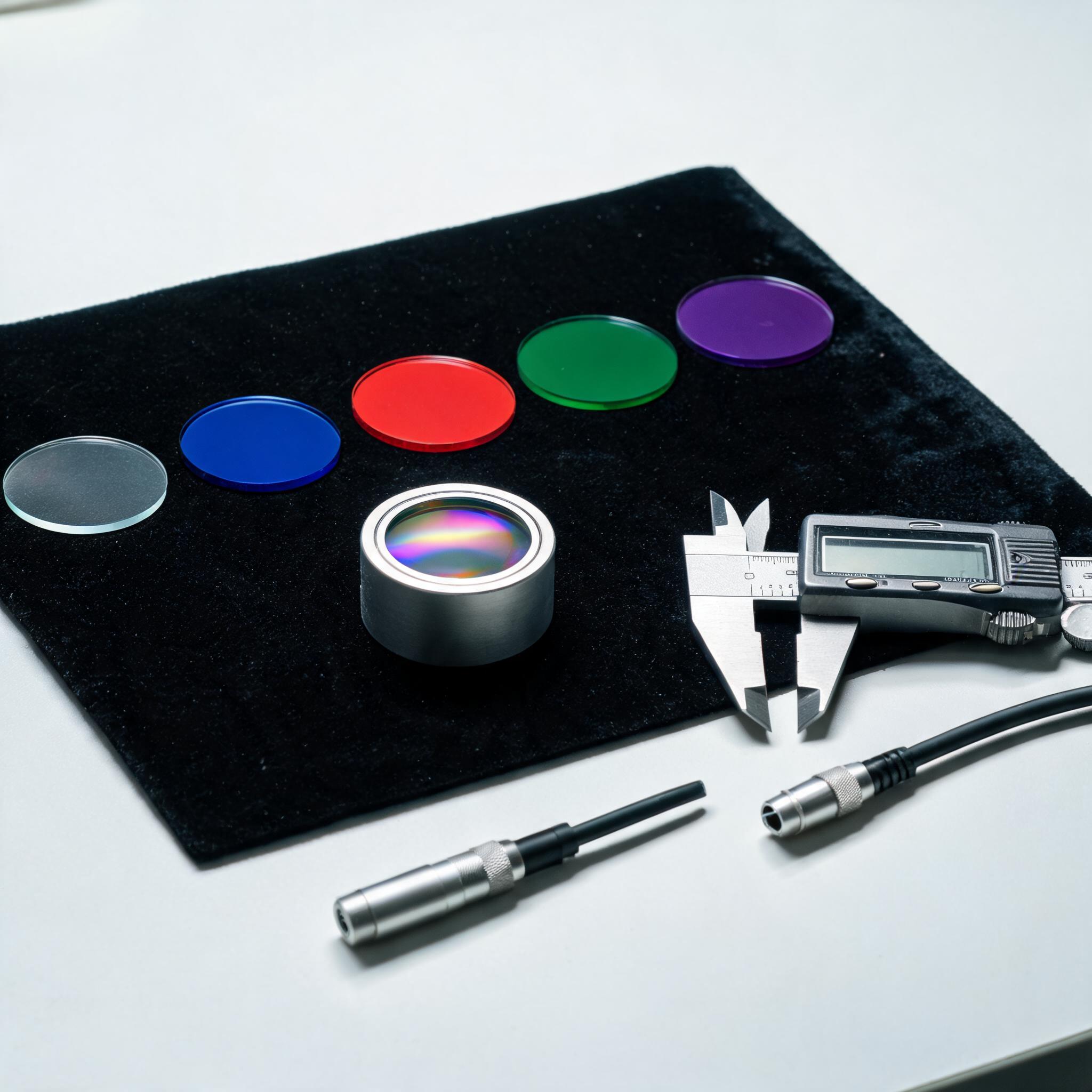
Keep the useful-polarization throughput beside the leakage result. Reducing both signals is not equivalent to maintaining useful throughput while suppressing the unwanted component. If both outputs are used, approve both channel records; a good result in one port should not silently qualify the other.
Related specifications
optical mirrors for folded paths · optical coating specifications
For a polarization-channel review, send the port-labelled layout and the required ratio and throughput for each used output. Contact TUOLAN: sales@tuolango.com.
Sources and editorial note
Reviewed 2026-10-31. Technical conclusions and proposed acceptance steps are TUOLAN editorial analysis. No manufacturer affiliation is implied.