
Insights
TDK at CEATEC 2026: What a Meta-Optic Mirror Changes in an Optical RFQ
OPTICS · TECHNICAL INSIGHT
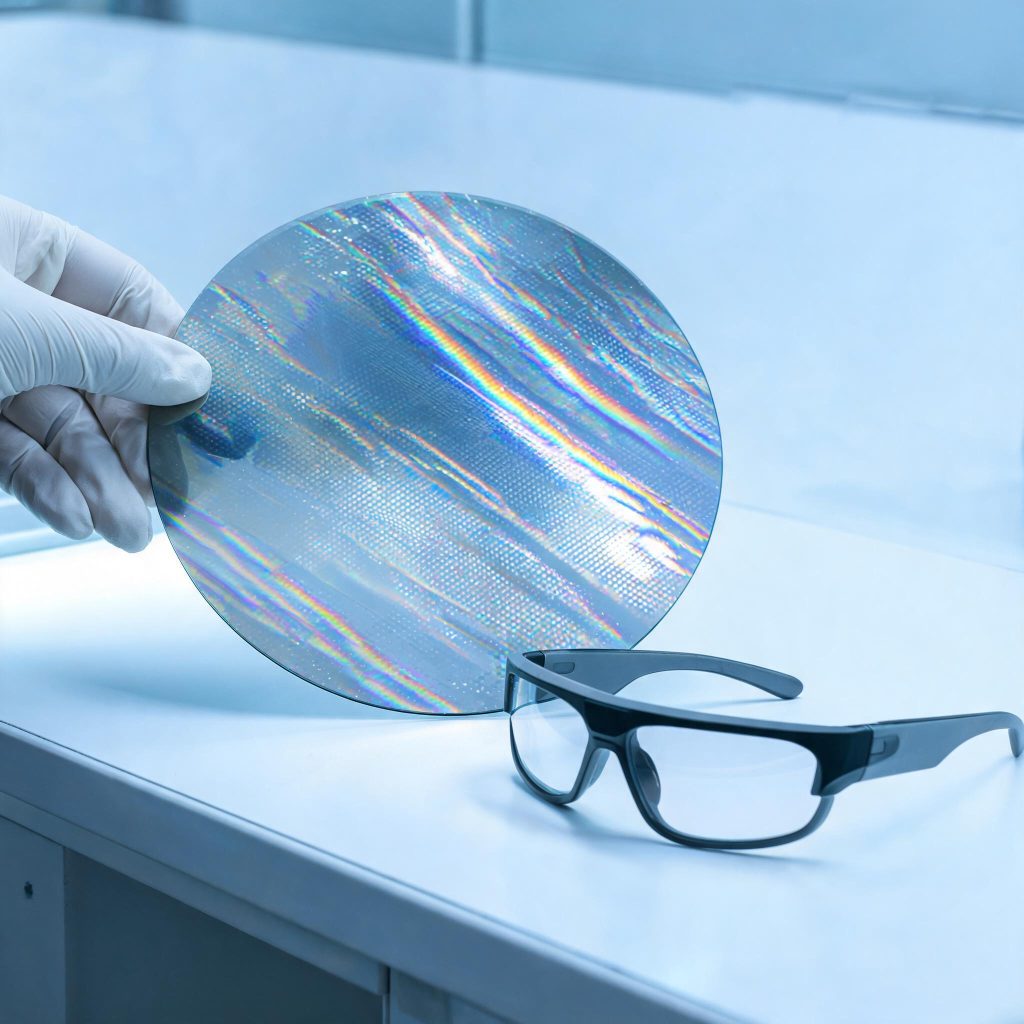
TDK’s CEATEC 2026 display programme highlights a meta-optic mirror still under development. For buyers, the useful distinction is between a component’s optical function and its physical shape: a flat element need not perform the same task as a conventional flat mirror.
What the official material establishes
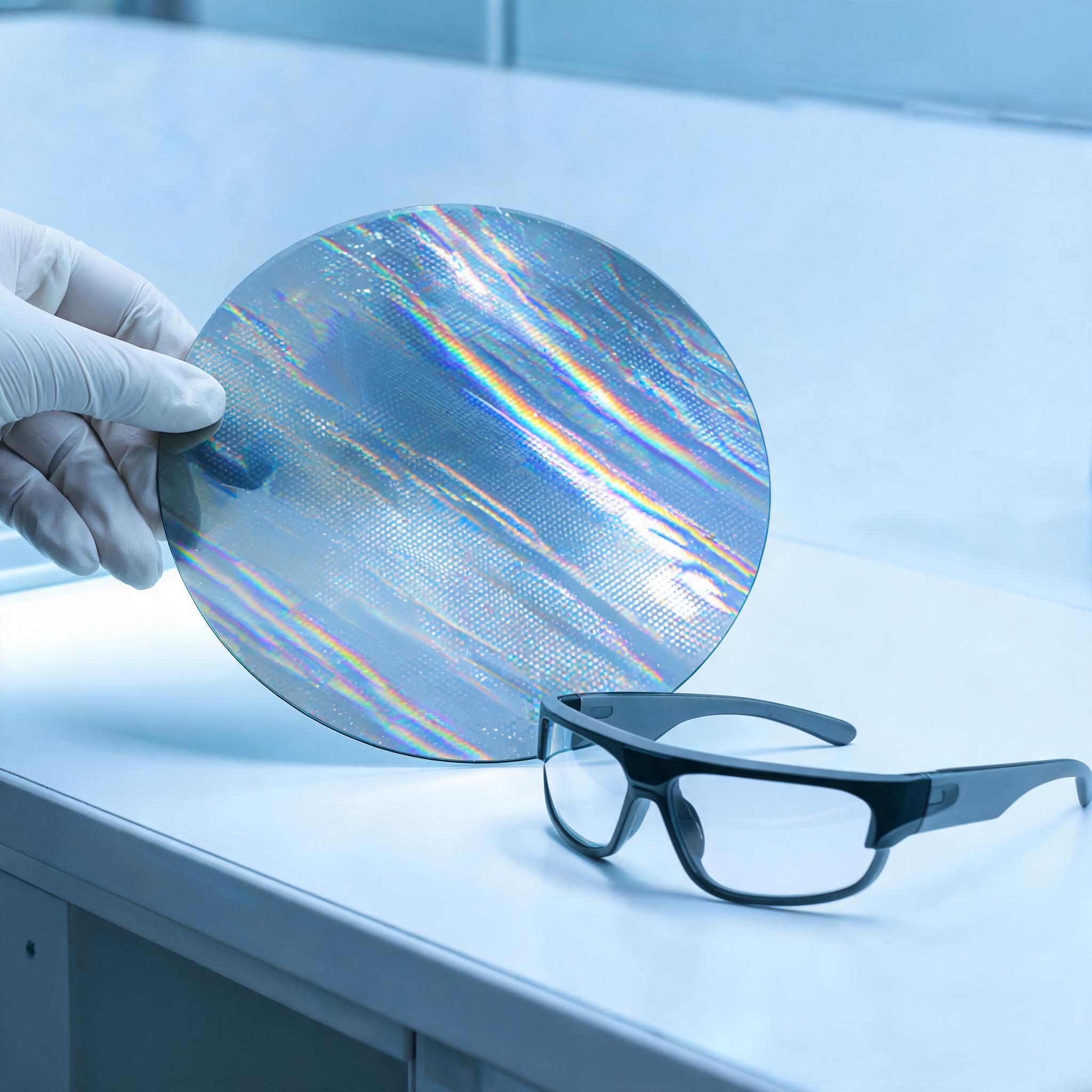
TDK’s exhibition page lists the meta-optic mirror for smart-glasses displays as under development and gives CEATEC dates of 13–16 October. Its 6 October award release reports a METI Minister’s Award and describes a direct retinal projection demonstration using the mirror.
The company’s technical feature explains that patterned structures on a flat surface control light and reproduce a curved-mirror function. It describes primary evaluations and future commercialization work. This does not establish current mass-production availability or confirm what every visitor saw at the event.
Describe the transformation the optic must perform
When comparing optical mirror configurations, specify the incoming beam, required outgoing wavefront or image, wavelength range, angle distribution and usable area. “Flat mirror” is an incomplete description when the surface also shapes the light.
Ask for a system-level demonstration against an agreed target. A thin optical layer alone does not establish module thickness, field of view, image quality or readiness for integration.
Keep the transparent path in the acceptance plan
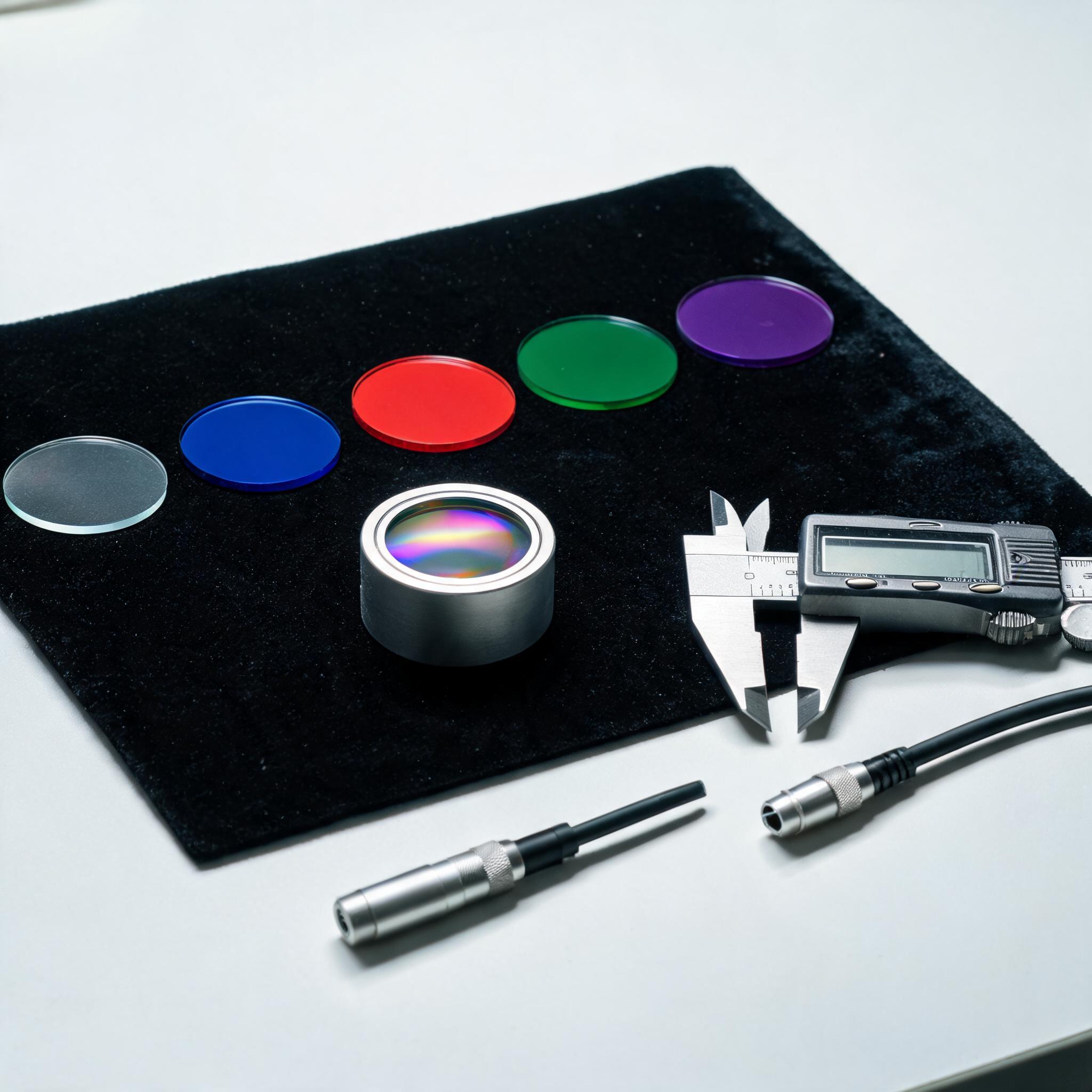
Where users look through an optical element, define how transmission and unwanted reflections are measured alongside the projected image. State which viewing conditions and component orientation are used. The optical window specification can help frame the transparent-path requirements, but a conventional window is not an equivalent meta-optic component.
TUOLAN’s contribution is an independent procurement framework. It does not claim to distribute TDK mirrors, reproduce the technology, supply a certified smart-glasses display or endorse a laser-eye-safety result. Original projects require their own optical design, integration and applicable safety validation.
Buyer RFQ checklist
- Define the required optical transformation, not just the part shape.
- Separate development samples from production-qualified availability.
- Evaluate projected-image performance and the transparent viewing path separately.
Review your project specification
Send the application, drawing or interface requirements, target quantity and market to TUOLAN TRADE or sales@tuolango.com.
Sources
Official company source, CEATEC: 13–16 October 2026; related award release: 6 October 2026. Checked on 15 October 2026. Buyer recommendations are TUOLAN’s analysis, separate from the source announcement.
Edited and analysed by TUOLAN TRADE.