
Insights
Lens Edge Blackening: Test the Stray-Light Path That Matters
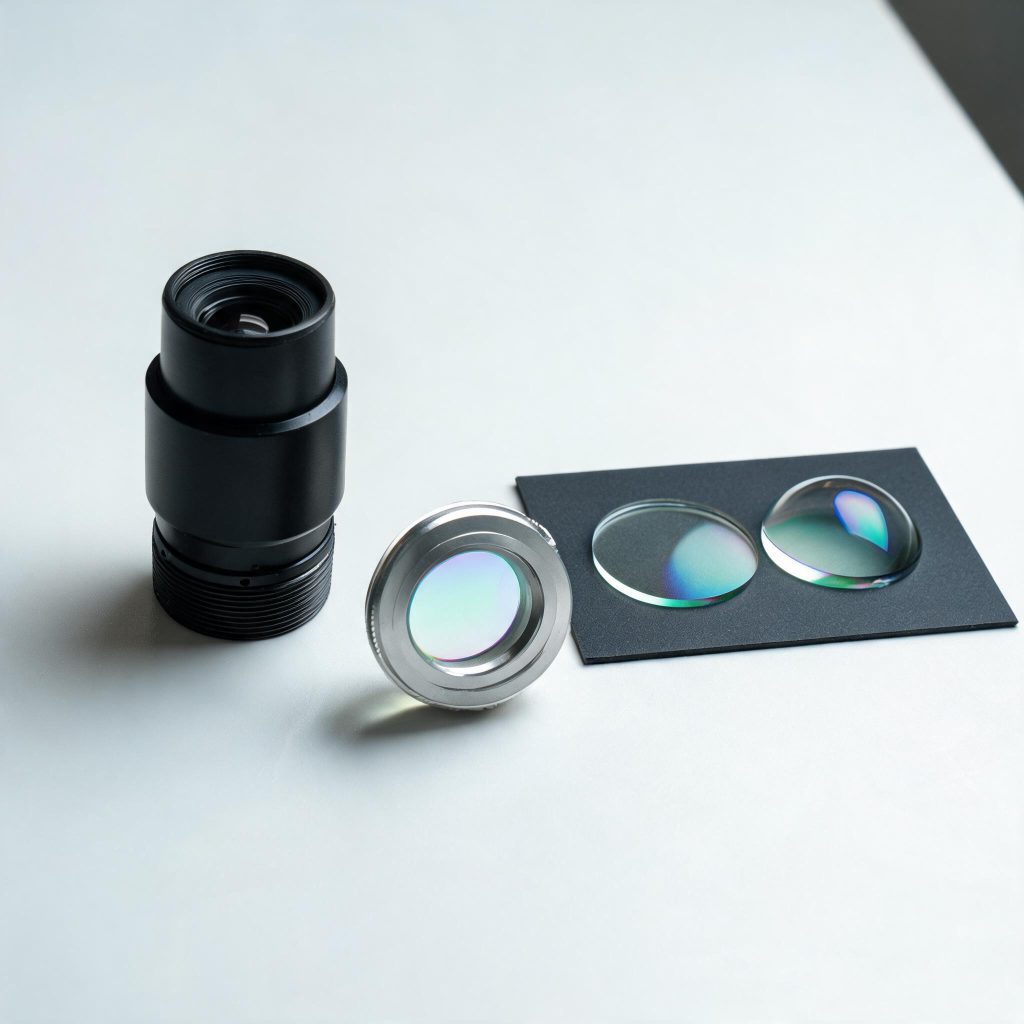
TECHNICAL ANALYSIS
Accept lens edge blackening against the unwanted-light path in the intended assembly. A visually dark rim does not establish how much edge-scattered light reaches the detector under the application’s illumination geometry.
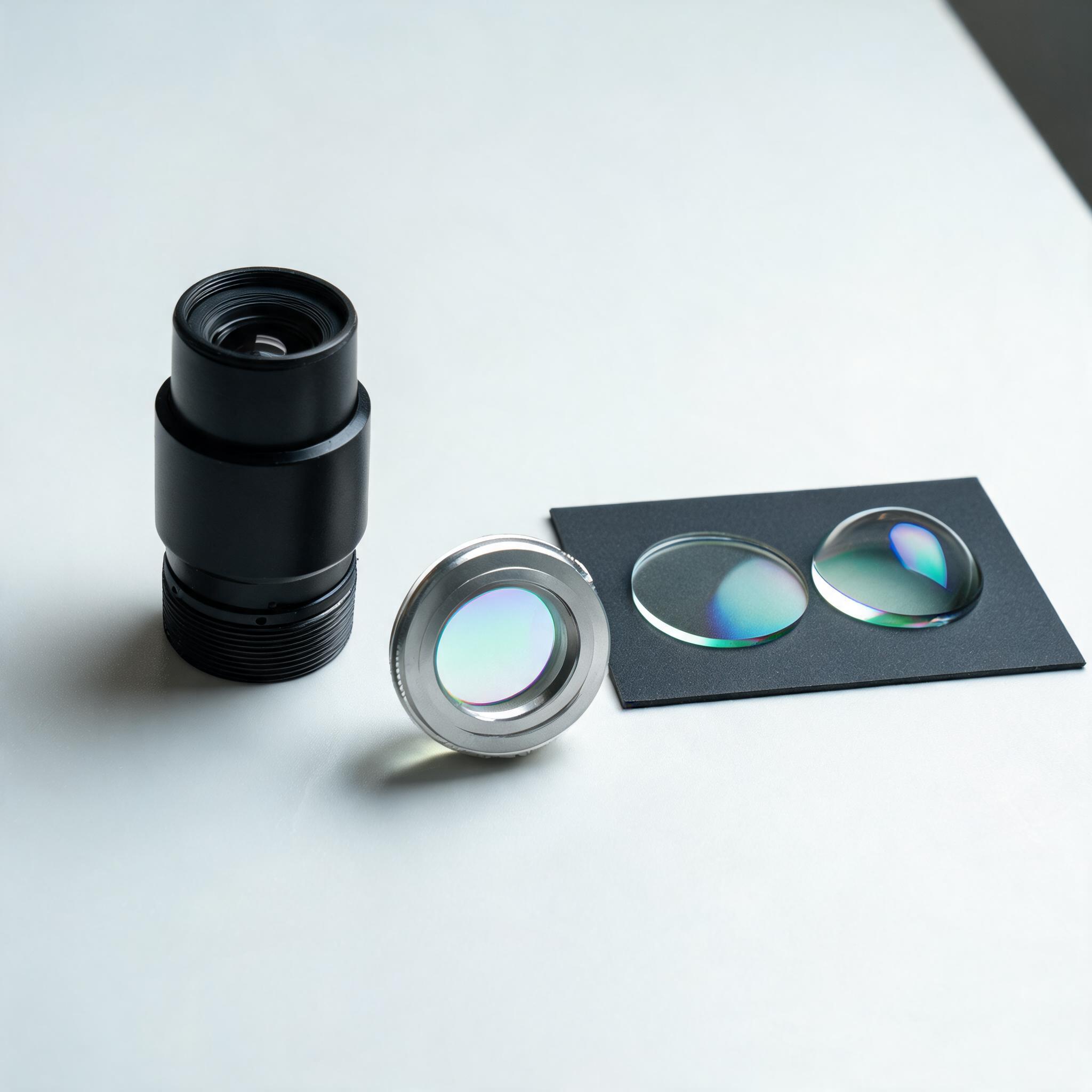
Edge treatment addresses a particular path
Edmund Optics identifies edge blackening as a way to reduce light scattered from optical edges in a system. Its undated note presents example comparisons under defined test arrangements. Those examples are not a universal reduction factor, and no numerical result is assigned here to a TUOLAN lens.
Compare the same illuminated geometry
TUOLAN recommends identifying whether a relevant off-field source can illuminate an exposed edge after mounting. Keep the useful optical aperture separate from the area to be treated, and show the boundary and any required untreated contact region on the drawing. Dark appearance alone does not settle that geometry.
For a sample comparison, use the same source position, angular range, exposure and detector configuration for treated and reference arrangements. Record useful image signal as well as unwanted background in the application region. If the mount already blocks the path, investigate that condition rather than assuming an isolated-edge result predicts the installed benefit.

Keep the treatment boundary on the drawing
Keep the treatment identity and approved extent with the optical part record. Review compatibility with the intended assembly and handling process through the supplier’s evidence. Accept the demonstrated system result without extending it to every source direction or assuming that edge treatment replaces all other stray-light controls.
Related specifications
spherical lens specifications · optical coating and treatment requirements
For an edge-treatment review, send the mount section, required clear aperture and relevant stray-source directions. Contact TUOLAN: sales@tuolango.com.
Sources and editorial note
Reviewed 2026-11-02. Technical conclusions and proposed acceptance steps are TUOLAN editorial analysis. No manufacturer affiliation is implied.