
Insights
Spatial Filter Pinhole Selection: Measure Useful Beam Power
TECHNICAL ANALYSIS
Choose a spatial filter pinhole by the beam delivered to the application, not by the smallest available hole. A smooth-looking profile is a poor acceptance result if the remaining power cannot support the measurement.
What the pinhole changes
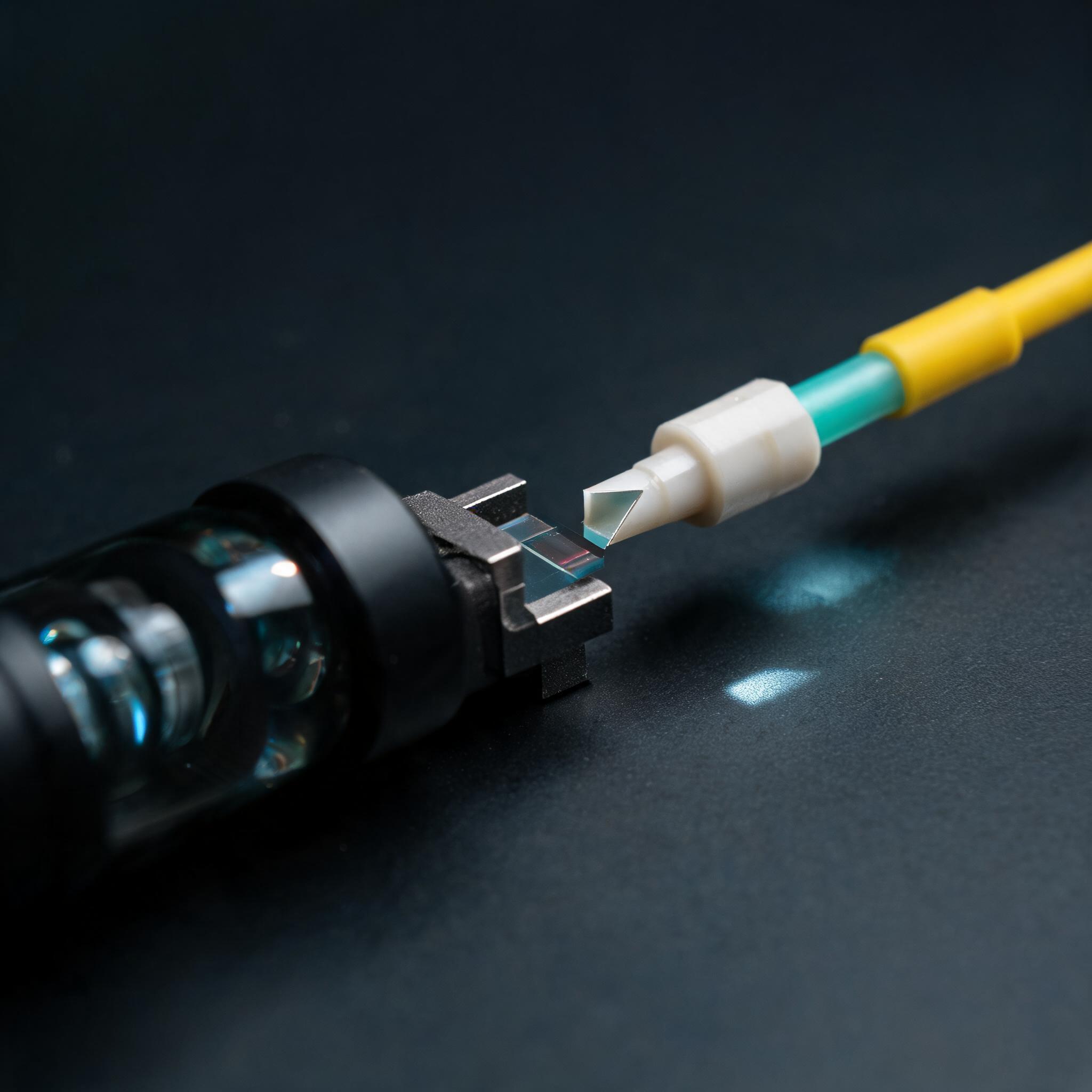
Edmund Optics describes an objective and a pinhole at its focus as a spatial filtering arrangement. Its undated guide explains the trade-off between removing spatial noise and transmitting light as the hole size changes. The guide is a technical reference, not a new product announcement; its example transmission is not a guarantee for an arbitrary source.
Compare the working beam, not a stretched camera image
For sample comparison, TUOLAN proposes recording the source wavelength, the input beam size with its diameter convention, and the focusing optic. Establish the same alignment procedure for each candidate aperture. A poorly centred hole should not be compared with a well-aligned alternative and blamed on its nominal diameter.
Measure transmitted power and the beam profile at the plane that supplies the application. Keep the camera response comparable, and avoid judging a dimmer beam after automatic image rescaling has hidden the loss. If the useful area excludes outer rings, report power inside that area as well as the total collected power. Define that area before selecting the winning sample.
A replacement objective needs another check
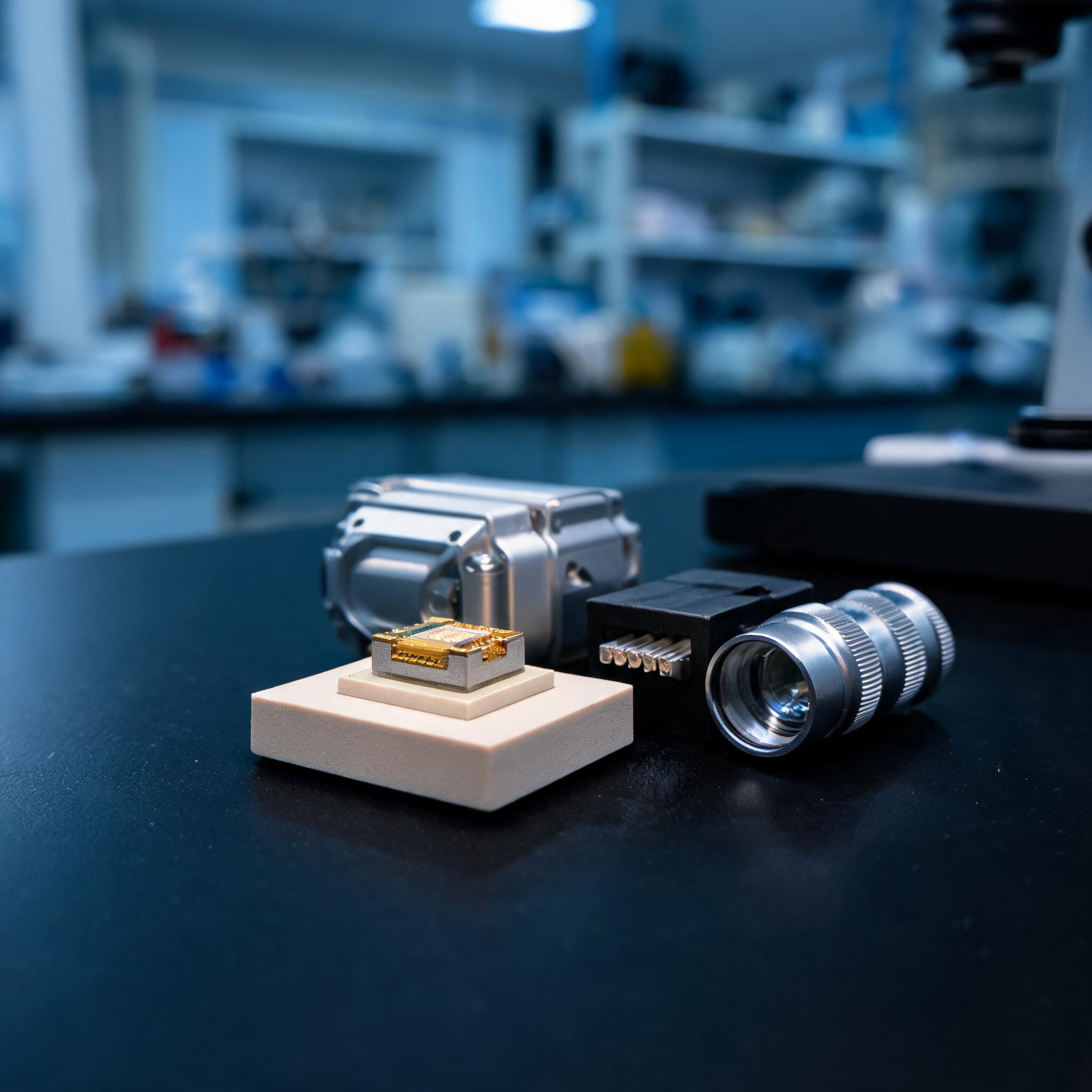
Changing the objective can change the focused distribution presented to the pinhole. Revisit aperture size and positioning after that change rather than approving a drop-in replacement from focal length alone. Where source power makes the internal focus consequential, request a component-specific power assessment from the optical supplier. The proposed comparison is an acceptance method, not a claim that every beam or power level suits a pinhole filter.
Related specifications
precision aspheric focusing lenses · spherical focusing lens options
For a focusing-optic enquiry, include the source wavelength, beam-size definition and required downstream beam area. Contact TUOLAN: sales@tuolango.com.
Sources and editorial note
Reviewed 2026-11-06. Technical conclusions and proposed acceptance steps are TUOLAN editorial analysis. No manufacturer affiliation is implied.