
Insights
TIR Prism Mounting: Define What Touches the Reflecting Face
TECHNICAL ANALYSIS
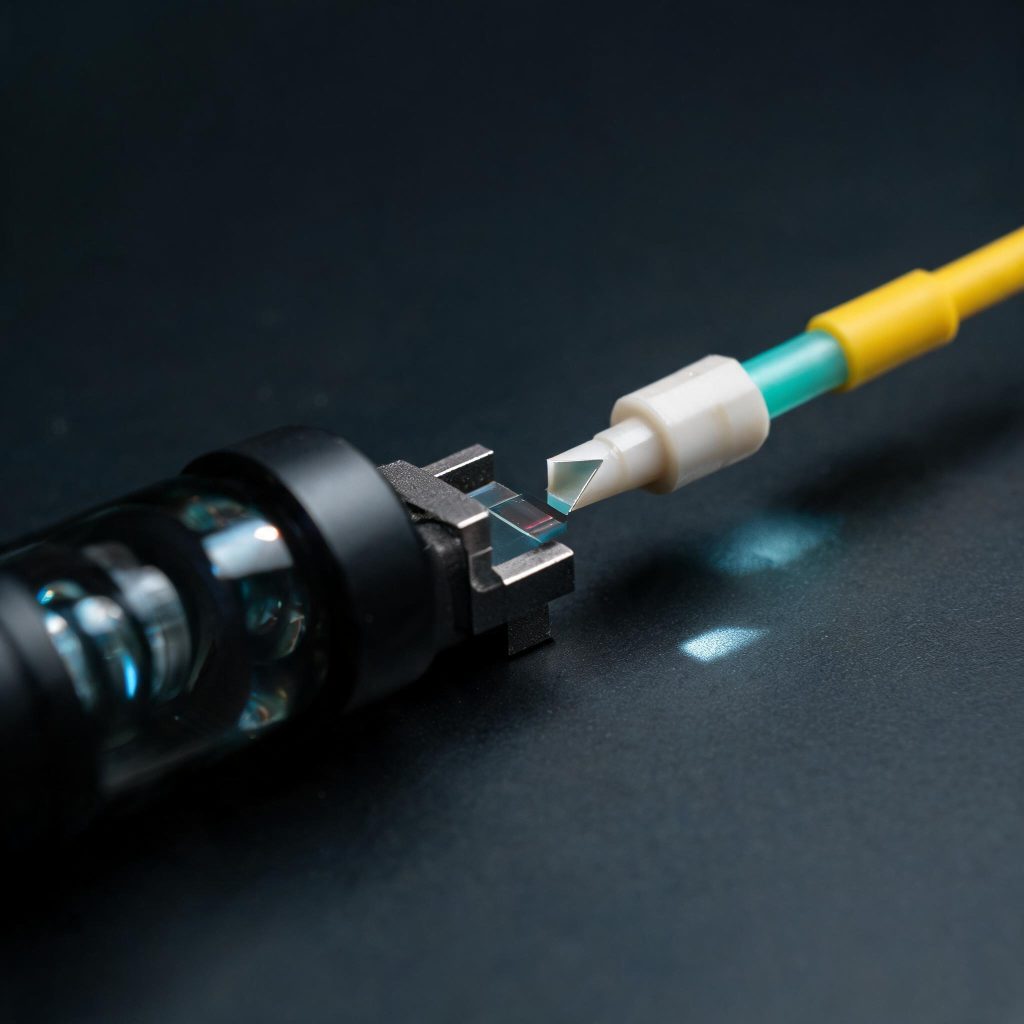
For a prism relying on total internal reflection, define the medium adjacent to the reflecting face. A design evaluated at a glass-air boundary needs review if adhesive or another material contacts that optical region.
The reflecting boundary is part of the design
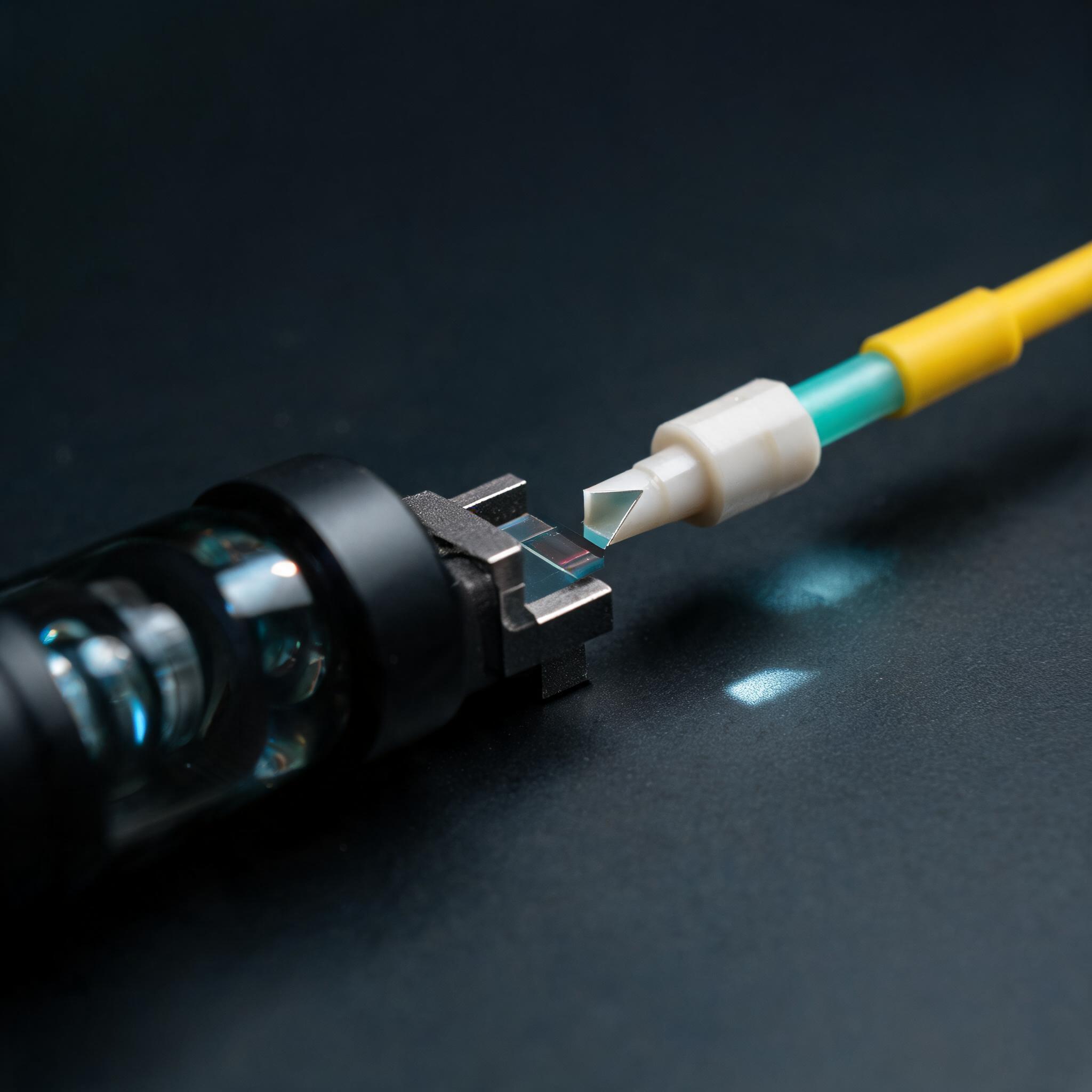
Edmund Optics explains that total internal reflection requires travel from a higher-index medium toward a lower-index medium at an incidence angle above the critical angle. The boundary indices determine that angle. Its undated guide is technical reference, not evidence that every uncoated prism will reflect in every installation.
Mark support and bonding regions explicitly
TUOLAN’s integration analysis concerns the support drawing. Mark the optical reflection footprint and distinguish it from permitted contact or bonding areas. If a mounting proposal introduces adhesive at that footprint, the optical designer should evaluate the changed interface. Do not judge it only by the nominal prism angle or by the fact that the adhesive is transparent in a separate transmission test.
Include the required wavelengths and the angular extent of the rays reaching the face. A central ray satisfying the intended reflection condition does not establish the same condition for an entire converging or field-dependent bundle. Where contact is unavoidable, evaluate an appropriate optical redesign or coating with the responsible supplier. Adding a reflective coating creates a new specification that also needs its own performance evidence.
Test the intended interface after assembly
For acceptance, compare the assembled route with the approved reference under the intended input angles. Inspect the delivered output over the required field, with the actual support and bonding arrangement in place. If reflection changes after assembly, document the interface and contact footprint before changing the prism material. Preserve the approved mounting details so a later adhesive or fixture revision receives an optical review.
Related specifications
optical prism configurations · reflective coating requirements
For prism mounting review, provide the reflection footprint and proposed contact or adhesive regions. Contact TUOLAN: sales@tuolango.com.
Sources and editorial note
Reviewed 2026-10-26. Technical conclusions and proposed acceptance steps are TUOLAN editorial analysis. No manufacturer affiliation is implied.