
Insights
Uncooled Infrared Detector Capacity: Fujirui CNY 425M Raise
INDUSTRY NEWS · INFRARED OPTICS · SEPTEMBER 2026
Fujirui, a Shanghai-listed infrared specialist, filed a plan on 21 September to raise up to CNY 425 million and put the net proceeds into uncooled infrared detector capacity and satellite laser communication lines. Detector capacity, not lens capacity, is where infrared capital is going — and that changes what infrared buyers should lock down.
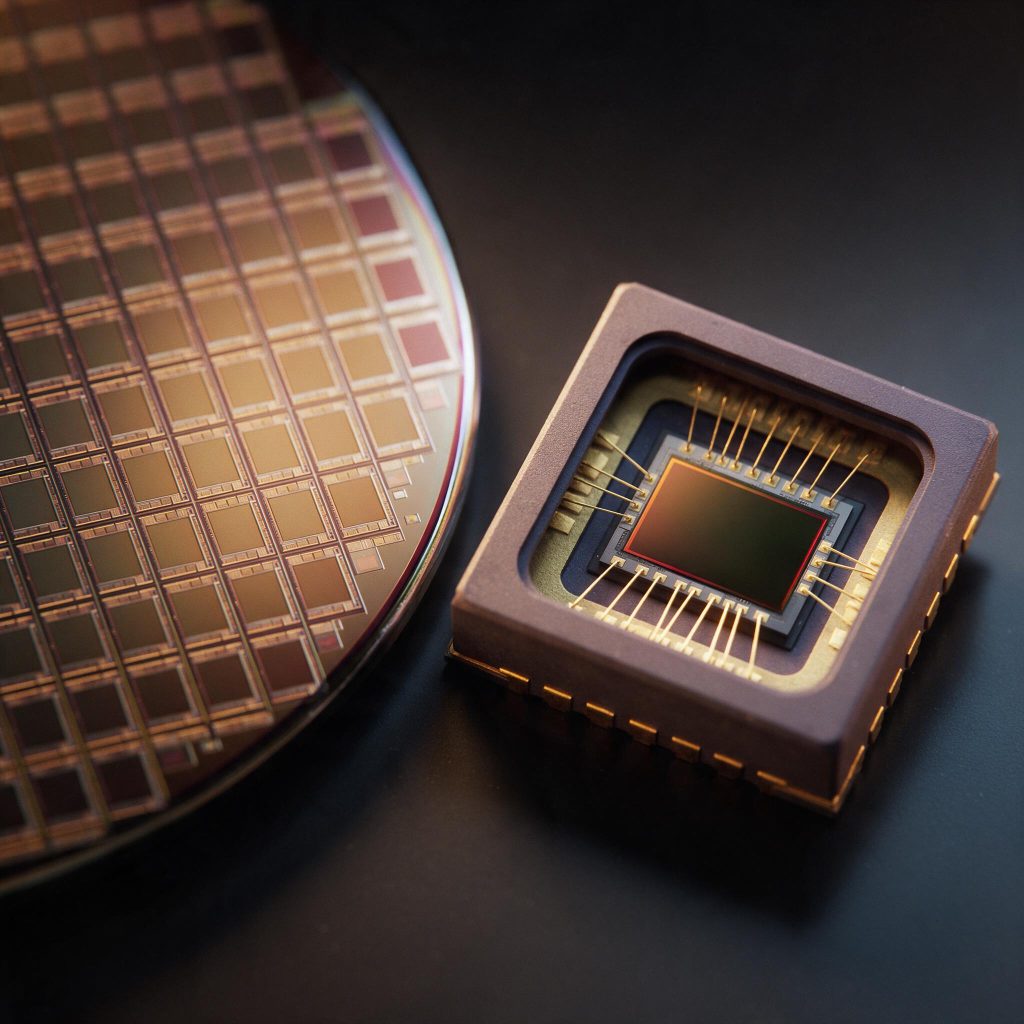
Infrared procurement usually starts with the lens. The capital markets started with the detector this month. Fujirui (688272.SH) published a 2026 private placement plan on 21 September, proposing to issue shares to no more than 35 specific investors and raise up to CNY 425 million before expenses, with the net proceeds directed at uncooled infrared detector production and satellite laser communication lines. The filing is a statement about where the company expects demand to come from over the next several years: thermal imaging that has to work without a cryocooler, and optical links that operate above the atmosphere.
Why the money is going into detectors
An infrared camera is a chain of three cost centres: the detector, the optics and the processing electronics. In the uncooled segment, the detector is the part that carries the longest qualification cycle, the highest process capital intensity and the tightest yield sensitivity. That is why detector capacity expansions are a leading indicator for the whole infrared supply chain: when detector capacity is tight, lens makers and camera integrators queue behind it, regardless of how much polishing capacity exists downstream.
The satellite laser communication line in the same filing is a second, related signal. Space-borne optical terminals need infrared-band optics, athermalised mounts and components qualified for launch vibration and vacuum, which is a different qualification regime from a handheld thermal camera. A supplier building both lines is effectively targeting two markets that share materials science but not acceptance criteria.
What this means for infrared optics buyers
- Detector lead time is the constraint to manage. If detector capacity is the bottleneck, lens and assembly quotes are only as firm as the detector allocation behind them. Ask for the detector source, the array format and the allocation status in writing.
- Separate uncooled and cooled requirements early. Uncooled microbolometer programmes and cooled MWIR programmes have different cost structures, calibration needs and lifetime expectations. Mixing them in one RFQ produces quotes that cannot be compared.
- Expect material substitution pressure. Germanium pricing and supply have pushed designers toward chalcogenide glass and silicon for some LWIR elements. Confirm which material the quote assumes, and whether the design is athermalised passively or by active focus.
- Check export and end-use documentation before the sample stage. Infrared detectors and thermal cameras sit inside destination-market controls in several jurisdictions. Documentation coverage should be settled before tooling is committed, not after.
Specifying an infrared lens: the five fields that decide the price
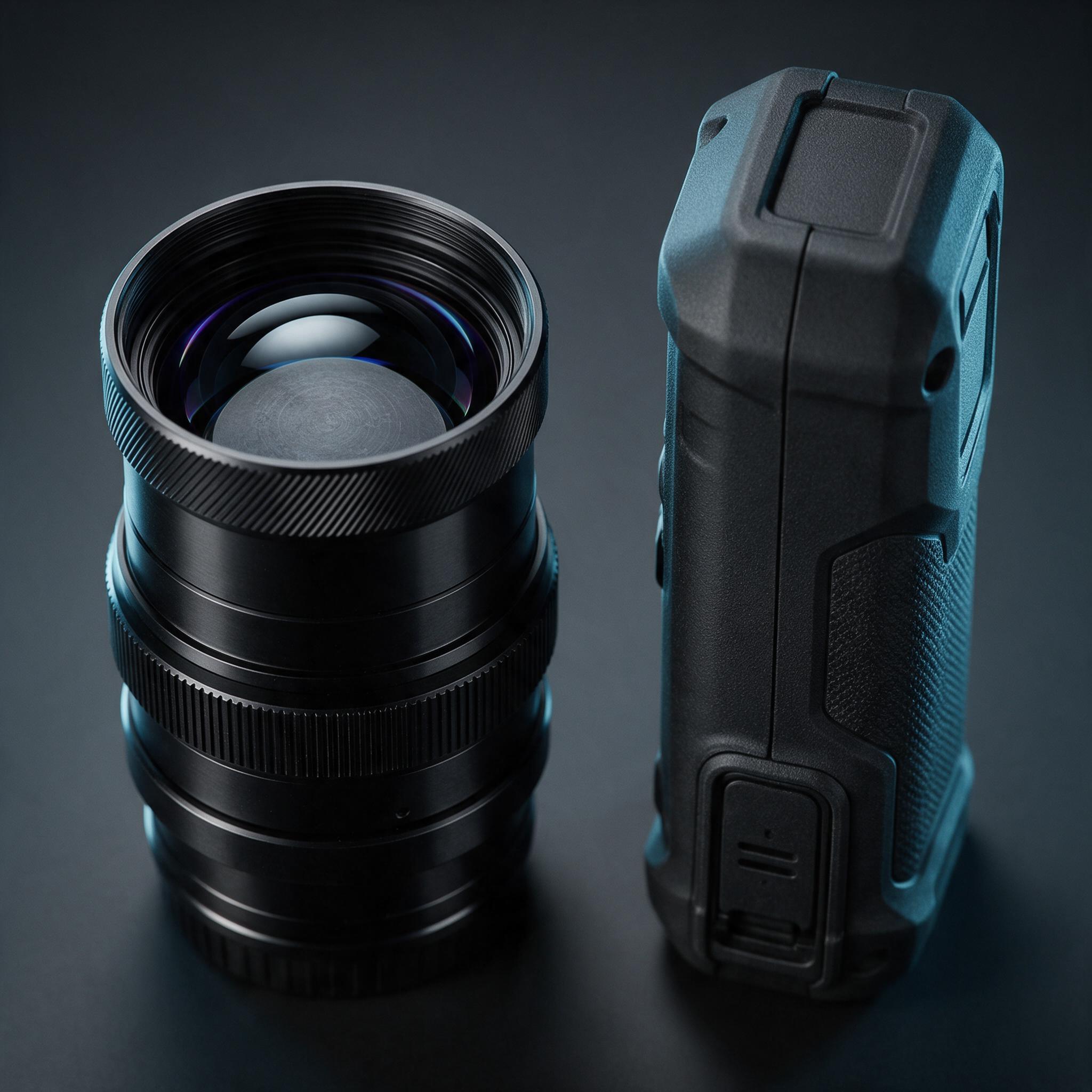
- Waveband. MWIR (typically 3–5 µm) and LWIR (typically 8–12 µm) are different products. A lens quoted for one band cannot be re-quoted for the other without redesign.
- Material set. Germanium, silicon, zinc selenide, chalcogenide glass and dual-band materials each carry different cost, transmission and thermal behaviour.
- Athermalisation method. Passive mechanical athermalisation adds barrel complexity but removes moving parts; active focus adds cost and a failure mode.
- Coating specification. Broadband anti-reflection coatings for 8–12 µm and durable hard-carbon (DLC) outer surfaces should be specified by test method, not by trade name.
- Environmental class. Outdoor, vehicle, airborne and space programmes apply different thermal cycling, humidity and shock requirements. The class drives both price and lead time.
Sourcing checklist for infrared programmes
- Ask for detector provenance, array format and pixel pitch alongside the lens quotation.
- Request transmission curves measured on the delivered coating run, not a generic catalogue curve.
- Confirm athermalisation over the full operating temperature range with a focus-shift measurement.
- Verify surface quality and scratch-dig specification under infrared inspection, not visible-light inspection.
- Define the acceptance test for the assembled camera module, including NETD or equivalent sensitivity criteria.
- Agree on packing, desiccant and shelf-life handling for hygroscopic infrared materials.
Sourcing infrared lenses, windows and coatings from China?
TUOLAN TRADE helps overseas buyers turn an application into a manufacturable infrared optics drawing, compare material options on cost and transmission, and coordinate sample inspection, coating test reports and export documentation. Send your specification to sales@tuolango.com.
Infrared LensesGermanium & Chalcogenide OpticsMWIR vs LWIR Guide
Sources and disclosure
Figures are compiled from public internet sources dated September 2026: Laser Manufacturing Network (laserfair.com) reporting Fujirui’s 2026 targeted A-share issuance plan disclosed on 21 September, including the proposed ceiling of CNY 425 million and the stated use of net proceeds for uncooled infrared detector and satellite laser communication production lines. The plan is subject to shareholder and regulatory approval and may change; no opinion is expressed here on its completion. Editorial analysis and sourcing guidance in this article are our own assessment. TUOLAN TRADE is not affiliated with any company mentioned; company and product names belong to their respective owners.