
Insights
Anamorphic Prism Pairs: A Round Beam Is Only One Check
TECHNICAL ANALYSIS
A nearly circular beam image after an anamorphic prism pair establishes shape at that observation plane. It does not, on its own, establish the required divergence, beam location or downstream focusing performance.
One-axis reshaping has an alignment consequence
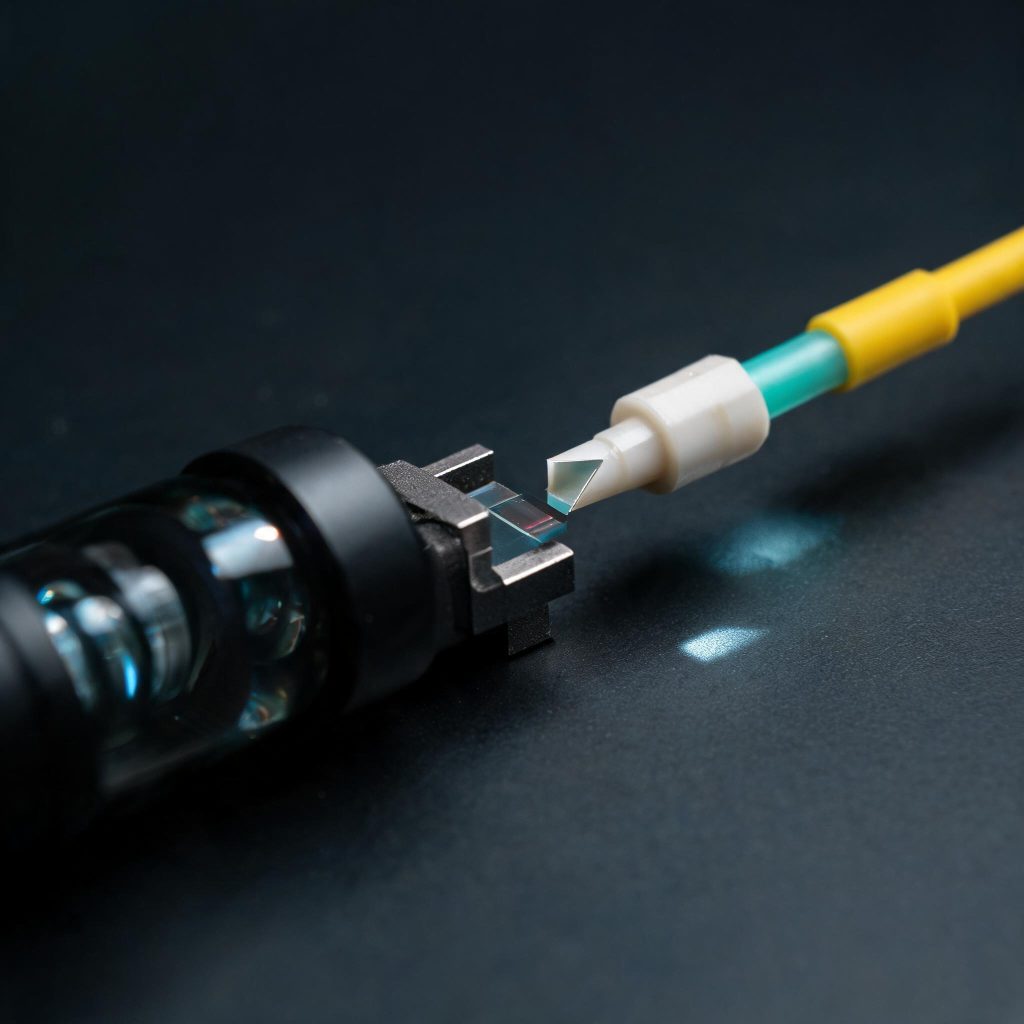
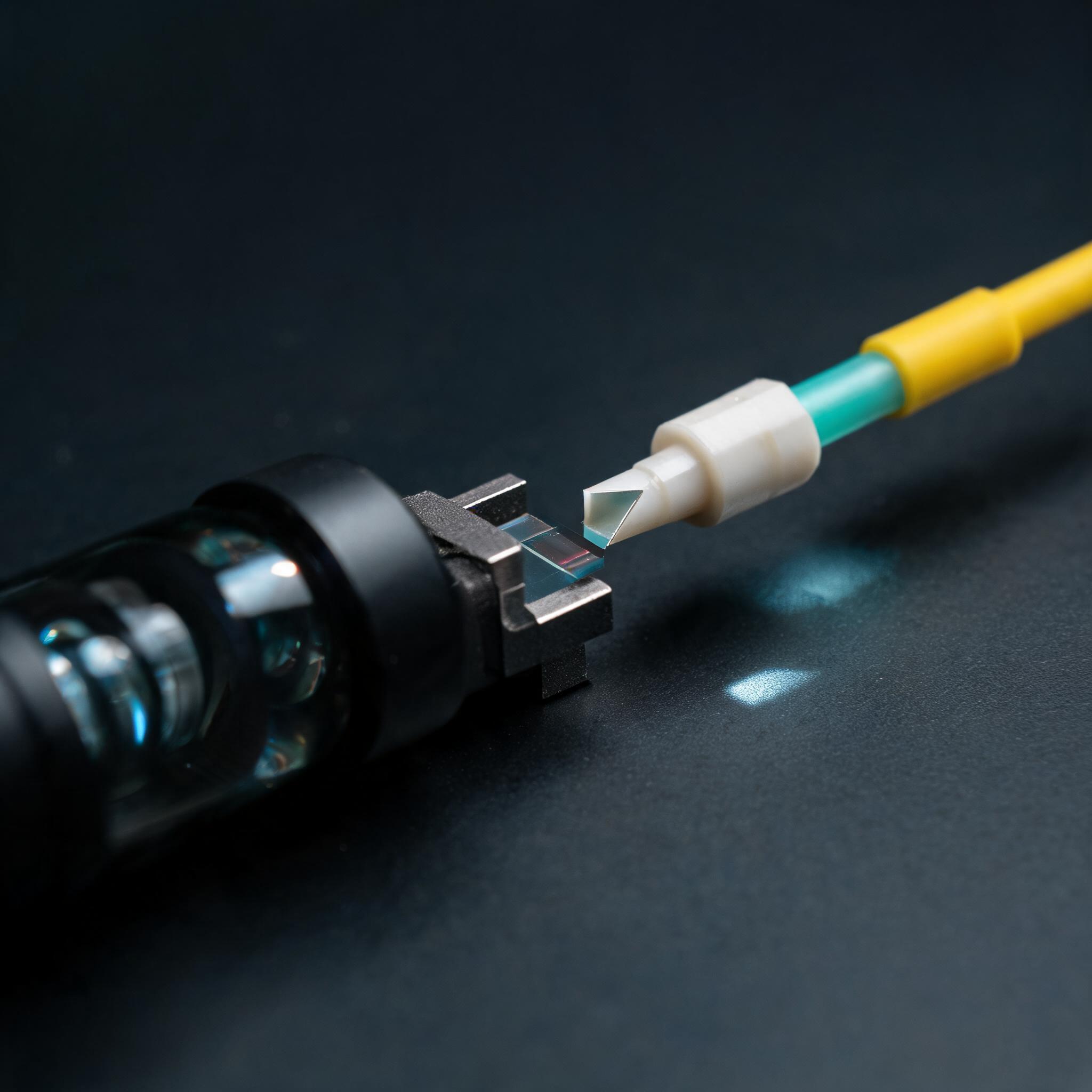
Edmund Optics describes anamorphic prism pairs as optics that expand a beam in one dimension to circularize an elliptical diode beam. Its product reference also identifies a lateral displacement for a mounted implementation. The undated page is used to explain the component type; its model-specific values are not transferred to other prism pairs.
Define what the camera measurement represents
In TUOLAN’s application analysis, the drawing should identify which beam axis is being changed and which observation plane matters. Specify the input wavelength and beam state before comparing candidate arrangements. A round output cropped by a camera window can be misleading, so retain the measurement region and a consistent diameter definition. If the intensity profile is irregular, a single aspect ratio should not replace the underlying profile.
Check both transverse dimensions at the positions relevant to the next stage. Equal diameters at one plane can coexist with different propagation behaviour on the two axes. When coupling into another optic, preserve the required beam location as a separate alignment reference rather than recentering every image without recording the adjustment. The lateral offset of a particular assembly must come from its own drawing or measurement.

Follow the reshaped beam into the next optical stage
Accept the result against the job the reshaped beam must perform. A focusing task needs evidence at the intended focus; an aperture-limited route needs clearance at its critical planes. Neither should be inferred solely from a circular near-field image. Keep the prism arrangement and allowed adjustments with the result, so replacing a mounted pair does not introduce a new offset or axis convention that the assembly team discovers only during final alignment.
Related specifications
optical prism configurations · cylindrical lens alternatives for beam shaping
For a beam-shaping component enquiry, send the input profile and the downstream plane where performance matters. Contact TUOLAN: sales@tuolango.com.
Sources and editorial note
Reviewed 2026-10-24. Technical conclusions and proposed acceptance steps are TUOLAN editorial analysis. No manufacturer affiliation is implied.